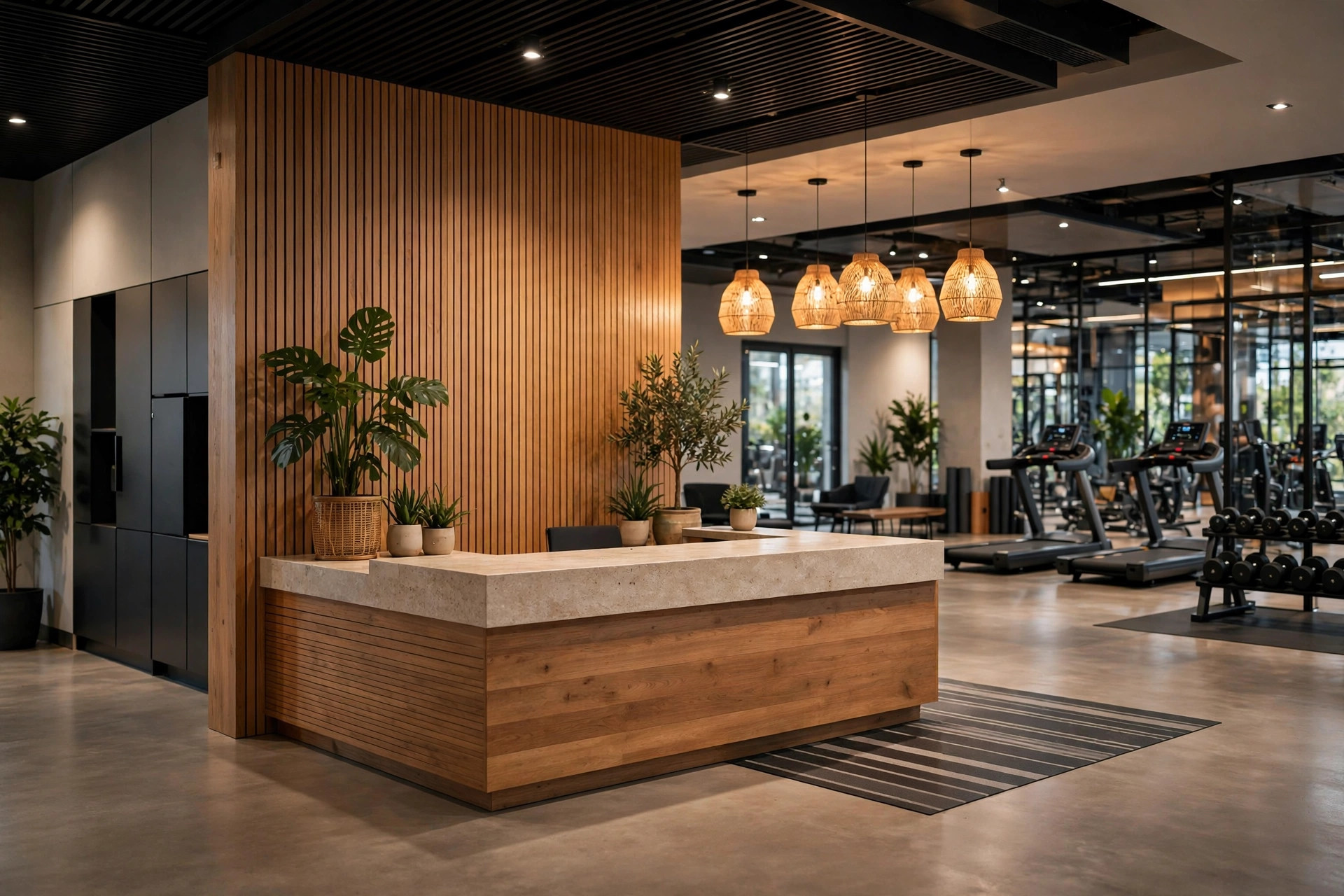
It is 6:15 in the morning and your gym is already half full. Your front desk person is helping a new member set up the app, one trainer is mid session on the floor, and the phone behind the desk has rung three times in the last ten minutes. Nobody is picking it up, because the people who would pick it up are doing the job members actually pay for. The caller was a woman who just moved to the neighborhood. She had a list of four gyms open on her phone and was calling each one to ask about a trial pass for herself and her husband. Your gym was number two on the list. She got voicemail, hung up, and moved to number three. By lunchtime she had trial passes booked at two other gyms, and yours was never in the running. This is the ordinary, everyday leak in gym revenue. Your staff are on the floor, not at a desk, so the calls that come in during peak workout hours go unanswered. The people calling are not casual browsers. They are high intent buyers asking about trial passes, class schedules, and pricing, and they call the next gym the moment you do not pick up. Missed call text back catches those callers in the seconds after the ring stops, answers their questions by text, and turns the missed call into a booked trial instead of a lost member.
The quick answer
- The core job: text every missed caller back within a minute, while they are still deciding which gym to try, and steer them toward a trial pass.
- The top questions it answers: hours, pricing and plans, class schedules, trial pass details, and personal training availability.
- The conversion path: instant reply, qualify the goal (weight loss, classes, strength), send the trial booking link, then reminders before the visit.
- The follow up sequence: automated check ins after the trial that turn one time visitors into signed memberships.
- CRM connection: every conversation lands in your CRM tagged by interest and trial status, so your sales team works a warm list instead of cold leads.
- What it costs: about $100 to $300 per month for most gyms, and a single recovered membership often covers the year.
Why gyms miss more calls than almost any local business
Gyms have a structural phone problem. In most local businesses, someone sits near the phone. In a gym, the staff sit near the squat racks. The front desk is busiest exactly when members need attention: the morning rush before work, the lunch crowd, the evening wave after dinner. Those are also the windows when prospects call, because those are the windows when people are thinking about fitness. The result is predictable. The phone rings while the desk person is giving a tour, handling a billing question, or helping a member, and the call goes to voicemail. Consumer research keeps finding the same outcome across industries: most callers who reach voicemail do not leave a message. They call the next option. In fitness, the next option is often two blocks away.
The callers you miss are the best leads you get. A phone call to a gym is almost always a buying signal: trial pass inquiries, class schedule questions, pricing, and personal training. Nobody calls a gym to browse. They call because they are ready to move. Losing that call to voicemail is not like losing a website visit. It is losing someone who already picked up the phone. For the sister version of this playbook in another service trade, see our missed-call text-back guide for plumbers.
What happens in the minute after the call goes unanswered
The system detects the missed call on your business line and texts the caller back automatically, usually within seconds. The message sounds like your gym: “Hey, this is IronWorks Fitness! Sorry we missed your call, our team is on the floor with members right now. Looking for a trial pass or class info? Just reply here.” The caller is still on their phone, still in decision mode, and instead of a dead end they get a conversation that answers what they wanted to know.
The flow then does the job your front desk would do if they were free. It asks what the caller is after, answers the common questions from your real facts, and offers the trial booking link at the right moment. Every thread is visible to your team, and staff can jump in live at any point. Nothing about your floor coverage changes. The gym runs the same way, except the missed calls stop being lost.
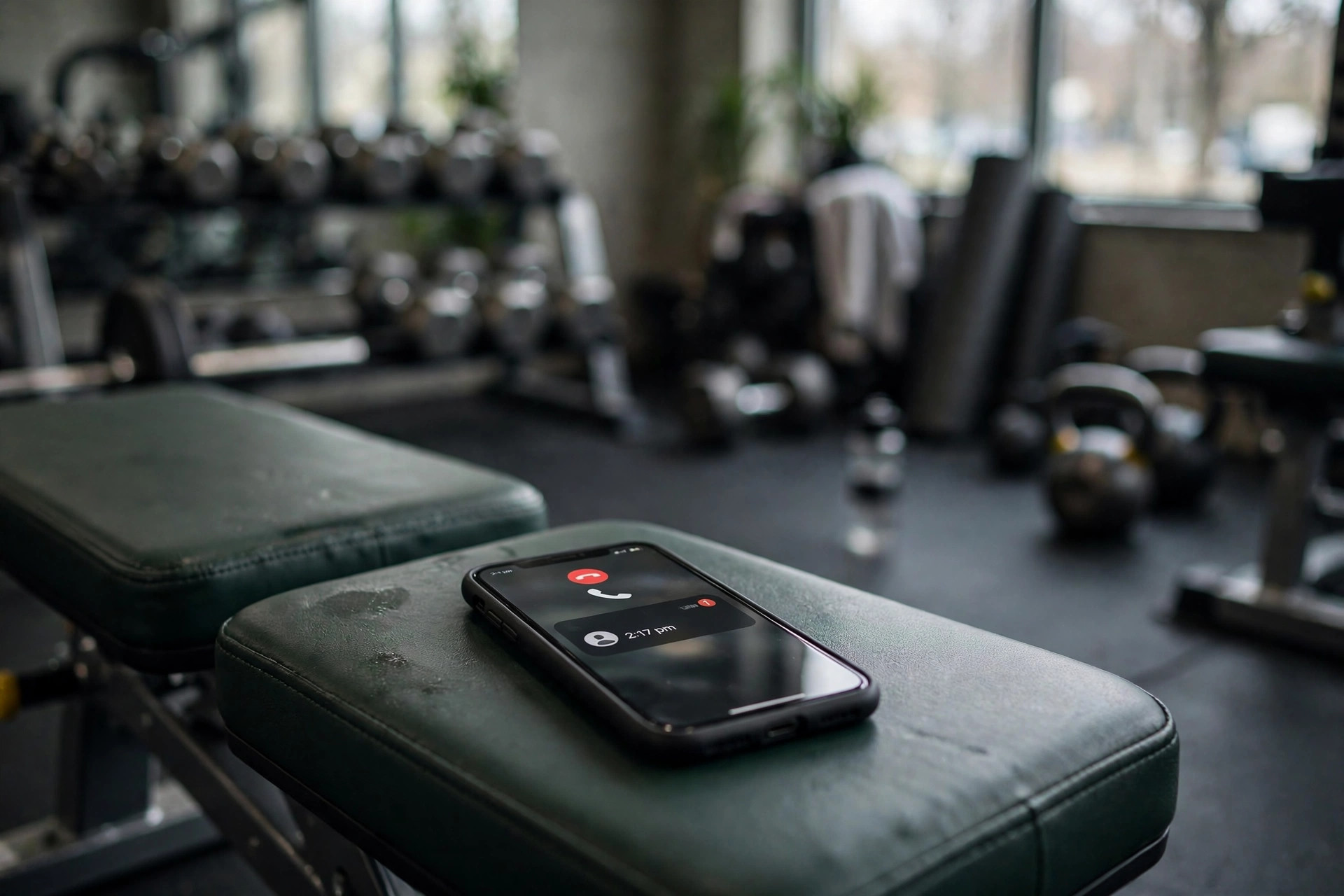
The missed call is usually a trial inquiry. The text back turns it into a booking before the caller dials the next gym.
Templates for the questions every gym caller asks
Gym callers ask the same five questions in different words. Load real answers for all five, keep each reply short, and always push toward the trial. Here are the templates that do the heavy lifting.
The instant reply
“Hey! This is [Gym Name]. Sorry we missed your call, we are out on the floor with members. What can I help with: trial pass, class schedule, or pricing? Just reply here.” This qualifies the caller in one message and keeps the whole thing in text, where reply rates beat voicemail callbacks by a wide margin.
Hours and location
“We are open 5am to 11pm on weekdays and 7am to 8pm on weekends. We are at [address], right next to [landmark]. Want to come try a free workout this week?” Hours questions are buying questions. Answer them, then offer the trial in the same breath.
Pricing
“Our plans run $39 to $79 a month depending on access and classes, with no signup fee right now. The easiest way to see if we are a fit is a free trial pass. Want me to send the booking link?” Real ranges beat “come in and we will tell you.” The parenthetical offer of the trial keeps the price shopper from going back to Google.
Class schedules
“We run 40 plus classes a week: HIIT, spin, yoga, and strength, mornings and evenings. I can send this week’s schedule and a free class pass. What day works for you?” The class curious caller is one step from a visit. The pass link closes that step.
Personal training
“Our trainers do one on one and small group sessions, and every new member gets a free fitness assessment. Want me to set one up with a trainer this week?” Training inquiries are your highest value leads, so this template should also fire a staff alert so a human can take over fast.
The trial to membership follow up sequence
Booking the trial is only halftime. The follow up sequence is what turns trial visitors into paying members, and it is where most gyms leak revenue even when the front desk does everything right. Build this sequence into the same system so it runs whether your staff are busy or not.
The cadence that works: the moment the trial is booked, a confirmation text with the date, time, and what to bring. The evening before, a reminder with the trainer’s name, because a named human raises show rates. The morning after the visit, a check in: “How was your workout yesterday? Any questions about the plans?” That message catches objections while the experience is fresh. Three days later, a soft offer: “Still thinking it over? We have a founding member rate ending Friday if you want to lock it in.” Seven days later, a final check in with a low pressure close. Each message should come from the same thread the caller started in, so it reads like a continuing conversation with your gym, not a marketing blast. If you are also building the voice side of your phone coverage, our AI phone agent for home services guide covers how it pairs with text back.

A trial offer that lands in the caller’s messages within seconds feels like great service, not automation.
Missed call text back vs the alternatives for gyms
Gyms usually weigh text back against a few other ways of handling the phone. The comparison comes down to speed, what the caller gets, and whether the system keeps selling after the first contact.
| Option | Speed | What the caller gets | Follow up |
|---|---|---|---|
| Missed call text back | Under 1 minute, automatic | Answers plus a trial booking link, in text | Automatic trial and membership sequence |
| Voicemail plus callbacks | Hours later, if ever | Silence, then a callback they often miss | Depends on staff memory |
| Answering service | Immediate, human | A message taken, rarely a trial booked | None, unless you build it |
| AI phone agent | Immediate, voice | A full conversation that books like a receptionist | Pairs well, higher monthly cost |
What it costs and what it returns
For gyms this is one of the cheapest systems in the marketing stack, and the return math is simple because membership value is so easy to calculate.
| Cost component | Typical range | Notes |
|---|---|---|
| Monthly platform, basic | About $100 to $200 per month | Instant text back, templates, trial booking link |
| Monthly platform, with follow up automation | About $200 to $300 per month | Trial reminders, membership sequence, CRM tagging, staff alerts |
| One time setup | About $300 to $800 once | Templates in your voice, class and pricing answers, calendar and CRM connected |
| Add a voice layer | About $200 to $600 per month more | AI phone agent for callers who prefer to talk |
Your rollout checklist
Get the answers right first, then connect the pipes. A week of focused setup is enough for most gyms.
- 1Write the instant reply in your gym’s voice. Energetic, short, names the gym, offers the three paths: trial, classes, pricing.
- 2Load the five core answers. Hours, pricing ranges, class schedule link, trial pass details, and personal training basics. Real numbers, no stonewalling.
- 3Connect the trial booking calendar. Free trial passes bookable by text, with class pass options for the class curious.
- 4Build the confirmation and reminder texts. Booking confirmation, night before reminder with the trainer’s name, morning of nudge.
- 5Build the post trial sequence. Day after check in, day three offer, day seven close. Same thread, conversational tone.
- 6Tag every lead in the CRM. Trial booked, class interest, training interest, pricing only. Your sales team works the warm list in order.
- 7Set staff alerts for high value threads. Personal training inquiries and same day trial bookings should ping a human immediately.
- 8Review monthly: trials booked, show rate, close rate. Tune the templates against the numbers, not against guesses.

The finish line: a trial visitor who became a member because the first contact took seconds, not hours.
Frequently asked questions
Will this annoy people who just wanted to call?
No, because the first text always offers the call option back: “Prefer to talk? Just call us back at [number].” Most callers actually prefer the text, because it answers their question without a second phone call. The opt out is always one reply away.
Does it work for class schedule questions after hours?
Yes. Evening and weekend calls are some of the highest value ones for gyms, since that is when people plan their workouts. The system answers schedule questions and books class passes around the clock.
Can it tell the difference between a member and a prospect?
Basic setups treat every missed call the same, which is fine. Better setups match the number against your member list and route members to a “how can we help” flow while prospects get the trial flow. Set that up if your CRM supports it.
What if our pricing changes for promotions?
Update the pricing template the same day you change the offer, and put one person in charge of it. A text quoting last month’s price is worse than no text at all, so make this part of your promo launch checklist.
How do we handle personal training inquiries differently?
Route them to a dedicated template and fire an immediate staff alert. Training leads are worth far more than a standard membership, so the system should qualify interest and hand the warm thread to a trainer fast.
Can staff take over a conversation?
Yes. Every thread is visible in the dashboard or CRM, and any team member can jump in and reply as themselves. The automation handles the first minute; humans handle the relationship.
Does it integrate with gym CRMs?
Most platforms connect to common gym and fitness CRMs through native integrations or webhooks. At minimum, every conversation should land in the system your team already opens each morning, with tags for trial status and interest.
Catch every trial inquiry your floor staff miss
Digital Hayder sets up missed call text back for gyms: instant replies in your voice, real answers on hours and pricing, one tap trial booking, and the follow up sequence that turns trials into memberships. Tell us about your gym and we will build the trial flow for your front desk.
Contact Us