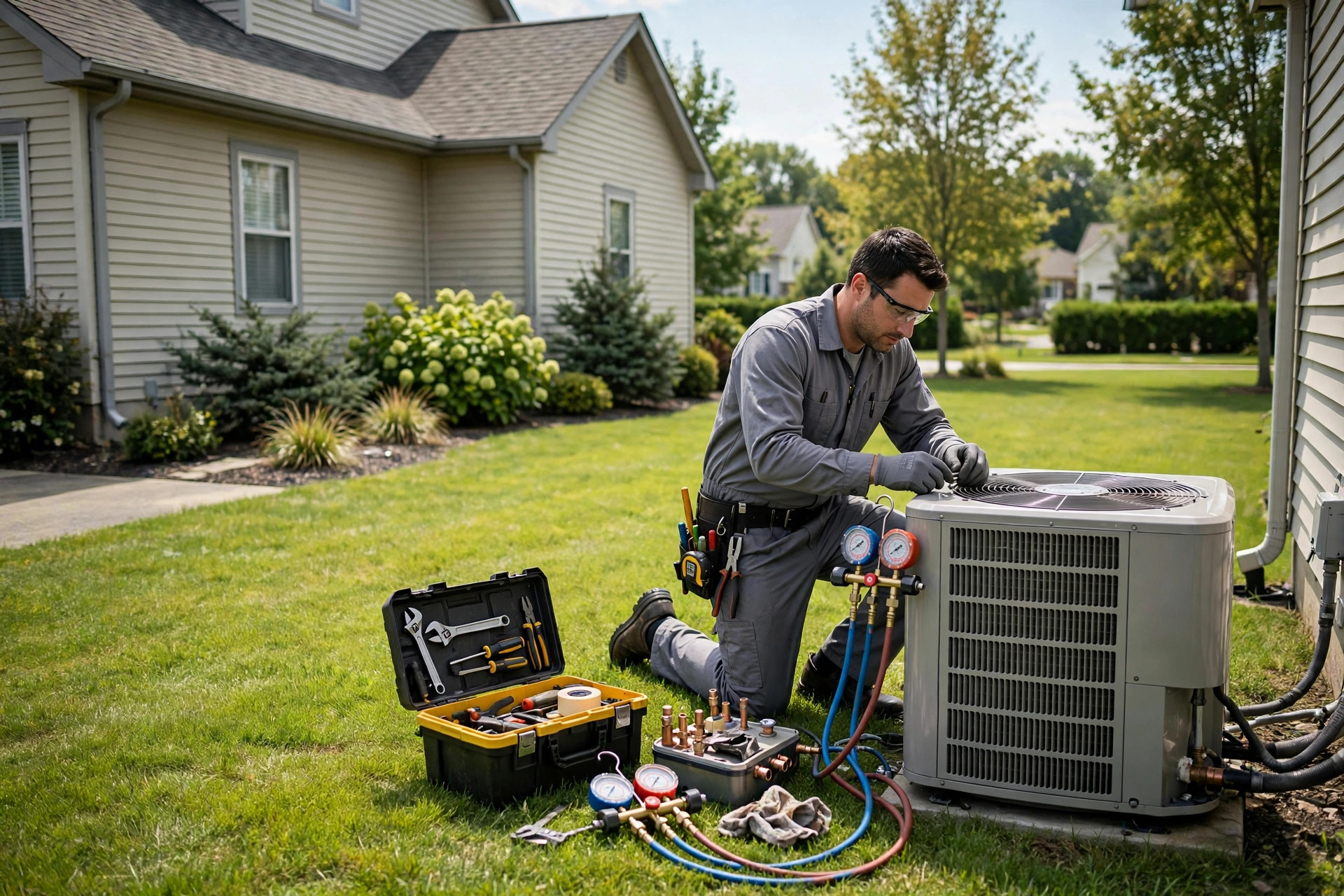
The service writer is on the phone with a customer, explaining why their transmission job needs two more days, when the second line starts ringing. Then the third. One caller gets answered eventually, the other two get voicemail. One of them was a driver with grinding brakes looking for a shop that could take the car today. That brake job just went to the shop down the road, and the bay that could have held it sits empty. Auto repair shops lose work this exact way every single day, not because the work is bad, but because one person can only talk to one customer at a time. Missed call text back changes the math: every unanswered call gets an instant text that starts the conversation, answers the two questions callers actually ask, and points them at your online scheduling link. This guide covers how it works in a shop, the templates for estimate requests versus “is my car ready” status calls, how to pair it with online booking, and the revenue math on every recovered brake job.
The quick answer
- The problem: the service writer can only talk to one customer at a time, so every other ringing line is a bay that might sit empty. Most callers who reach voicemail hang up and call the next shop.
- The fix: an automatic text within a minute of a missed call that asks what the caller needs and offers your online scheduling link, so they can book without waiting on hold.
- Two call types, two templates: estimate requests get a quick vehicle question and a callback promise; “is my car ready” calls get a fast status check routed to the writer.
- Pair every text with online scheduling so callers who will not wait for a callback can still land on your calendar.
- After-hours calls are the biggest win: breakdowns and brake noises do not wait for 8am, and a midnight text keeps the morning from starting with lost jobs.
- Track recovered jobs: count missed calls, texts sent, replies, bookings, and completed repair orders, so the system proves its own value every week.
One service writer, five ringing lines
Auto repair is a phone-heavy business with a structural problem: the person who answers the phone is the same person who writes up jobs, explains estimates, calls customers with approvals, and handles the counter. During the morning rush, that one person is doing four jobs while the phone rings a fifth time. Something has to give, and what gives is the incoming call. The caller hears voicemail, and voicemail in auto repair means one thing: the shop down the street just got a customer.
The callers you miss are not browsing. They are the two highest-value call types a shop gets. The first is the new customer with a problem right now: brakes grinding, check engine light on, car making a noise it should not make. These callers are ready to spend money today, and studies of local consumer behavior keep finding that most callers who reach voicemail simply call the next business instead of leaving a message. The second is the existing customer checking on their car, and every unanswered status call chips at the trust you need for the upsell approval. Miss the first call and you lose a job. Miss the second and you lose a customer.
The bay math nobody does
Shops think in bays and hours, so think about missed calls the same way. A shop with four bays and two techs has a fixed number of billable hours per day. Every missed call that was a real job is a bay-hour that cannot be recovered later, because yesterday’s empty hour does not carry into today. If your shop misses 8 calls a week and 3 of them were bookable jobs, that is 3 jobs of lost labor revenue every week, compounding into thousands a month. The fix does not require hiring a second service writer. It requires catching the calls the first one cannot answer.
What missed call text back does in a shop
When a call goes unanswered, the system texts the caller within a minute: “Hi, this is [Shop Name]. Sorry we missed your call. Do you need an estimate, or are you checking on a car we have? Reply and I will get you sorted.” The caller answers, the thread lands in a shared inbox the service writer checks between customers, and the conversation continues without anyone being put on hold. If the caller needs to book, the text includes the online scheduling link so they can grab a slot themselves. The shop that texts back in a minute beats the shop that returns voicemail in an hour, every time. For how this fits into a bigger phone setup, see our guide to AI phone systems for small businesses.
The two calls that matter: estimates and status checks
Almost every inbound shop call is one of two things: someone asking what a repair will cost, or someone asking about a car already in the shop. The text-back templates need to handle both, because answering the wrong one looks clueless. An estimate caller who gets “your car will be ready at 3” knows you are running a robot. A status caller who gets a sales pitch knows you do not know who they are.
| Call type | Opening text | What the reply needs | Route to |
|---|---|---|---|
| Estimate request (new customer) | “Sorry we missed you! What is going on with the car? Send the year, make, model and the symptom and I will get you an estimate.” | Vehicle info plus symptom or noise description | Service writer for callback |
| “Is my car ready” status check | “Hi! Are you checking on a car we have? Reply with your name and I will check with the tech right now.” | Customer name to match the open repair order | Service writer, priority |
| Tow or breakdown emergency | “We can help. Are you somewhere safe? Send your location and I will get a tow rolling and a bay ready.” | Location and vehicle description | Whoever can dispatch fastest |
| Price shopper | “Happy to price it out. What does the car need, and what year/make/model? I will send our price and the soonest slot.” | Service needed plus vehicle info | Service writer with pricing sheet |
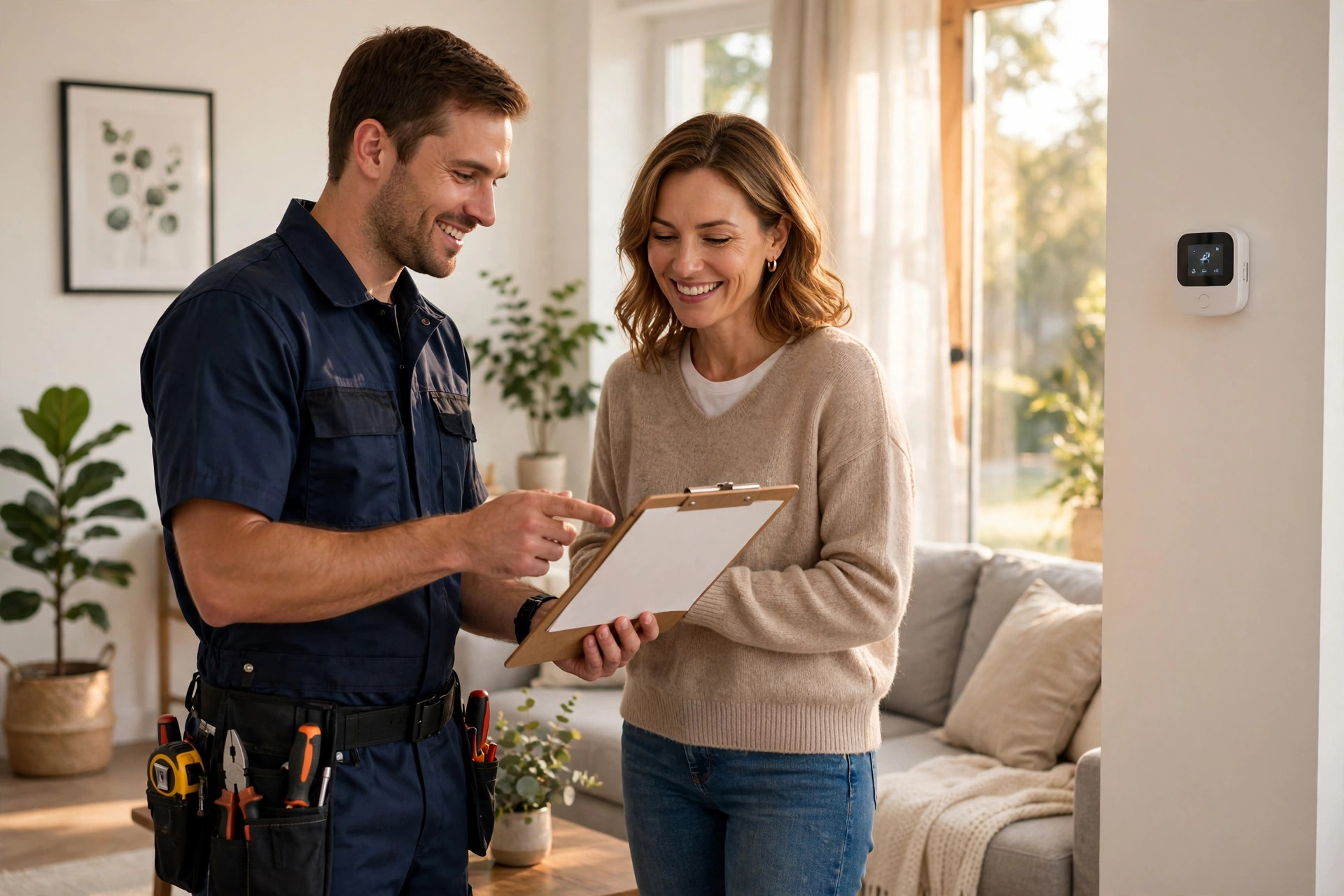
The techs stay on the cars. The text system handles the calls the counter cannot reach.
Templates that get estimate callers to reply
Estimate callers are comparing. They called you and probably two other shops, and they will book with whoever responds first with something concrete. Your text has to ask for the two things that let you price the job: what the car is, and what it is doing. Here is the template:
“Hi, this is [Shop Name]. Sorry we missed your call. To get your estimate started, reply with the year, make, and model, and tell me what the car is doing. I will have a price and the soonest opening for you shortly.”
When they reply, do not make them wait for a price they could get from your site. If you have standard pricing for brakes, batteries, and oil services, the follow-up text can give a range and the booking link: “Thanks. Front brake pads and rotors on a Camry usually run $[range]. We have openings tomorrow at 9 and 2. Book here: [link].” That text does two jobs: it answers the price question, which is what the caller asked, and it makes booking one tap, which is what gets the bay filled. Our AI chatbot for auto repair shops can run the same estimate flow on your website for callers who find you online instead of by phone.
The “is my car ready” template
Status calls feel small, but they are trust calls. A customer whose car has been in the shop for two days is anxious, and an unanswered status call turns anxiety into a bad review. The template is short:
“Hi, this is [Shop Name]. Are you checking on your car? Reply with your name and I will get an update from the tech right now.”
Route these to the service writer with priority, because a two-minute status text prevents a thirty-minute complaint later. When the writer replies, the update should be specific: “Hi [Name], the tech is finishing the brake job now. The car will be ready around 3pm. I will text you when it is pulled up front.” Specific beats vague. “Soon” and “almost done” are what shops say when they have not checked. The name, the job, and the time prove you checked.
Pair every text with your online scheduling link
Text back plus online scheduling is the combination that fills bays. Some callers will wait for your callback. Many will not, and those are the ones the scheduling link saves. The link should go out in the second text, once you know the caller wants to book, not in the first text, where it feels like a brush-off. The sequence is: acknowledge, ask, then offer the link as the fast path.
The scheduling page has to be worthy of the click. It should show real availability, take the vehicle details, and confirm the booking without requiring a phone call. A scheduling link that opens a “call us to book” page defeats the entire purpose. Test the flow on your own phone once a month: click the link from a text, pick a slot, and confirm the booking lands in your system with the customer details attached. Shops that treat the scheduling link as part of the phone system, not as a website extra, book the jobs their competitors miss.
After-hours calls are the biggest win
Car trouble does not keep business hours. The driver with a dead battery at 9pm and the commuter whose check engine light came on Sunday morning are both calling shops, and most shops send them straight to voicemail. An after-hours text back turns that dead end into a booked Monday morning: “Hi, this is [Shop Name]. We are closed right now, but I can get you booked. What is the car doing, and what time works Monday? Book directly here: [link].” The caller who books at 9pm is not calling your competitor at 8am. If you want a human touch after hours too, an AI answering service can take the call itself; the same approach works for auto repair.
The caller gets a conversation in a minute. The competitor gets nothing.
The revenue math per recovered brake job
Brake jobs are the classic recovered call: high intent, same-day decision, good ticket. Run the numbers for a shop that misses 8 calls a week. Say 4 of those callers were potential jobs, and the text-back system turns 2 of them into booked appointments each week. If the average repair order is $400, that is $800 a week in recovered revenue, or about $3,200 a month, from texts that cost almost nothing to send. And that counts only the jobs, not the customers who come back for the next service because you were the shop that answered.
The math holds up because the costs are so low. There is no new hire, no overtime, no ad spend. The system runs on the calls you were already getting and already losing. Compare it with the alternative most shops try first: buying more leads. A new lead costs real money and still needs someone to answer the phone. A missed call you already paid to generate, through your Google profile, your signage, your reputation, costs nothing extra to save. Save the calls first, then buy more of them.
Mistakes that make text back backfire
The most common failure is the promise the shop cannot keep. The text says “we will call you in 10 minutes” and nobody calls for two hours. Callers who get a fast text and then silence feel tricked, which is worse than voicemail. Only promise callback times you can hit, and build a backup route: if the service writer is with a customer, the text thread goes to the owner or a second trained employee. A promise of “within the hour” that you keep beats “in 10 minutes” that you miss.
The second mistake is quoting blind. A text that gives a firm price without seeing the car sets up a fight at the counter when the real number is higher. Give ranges, name what the range includes, and say the final number comes after inspection. The third mistake is the dead-end text: a reply that says “thanks, we will call you” with no question and no link. Every text should move the caller one step closer to a booked slot: a question, a price range, or the scheduling link. And the fourth is letting the inbox rot. The shared inbox needs an owner and a rhythm: checked every hour during the day, cleared every morning of overnight threads.
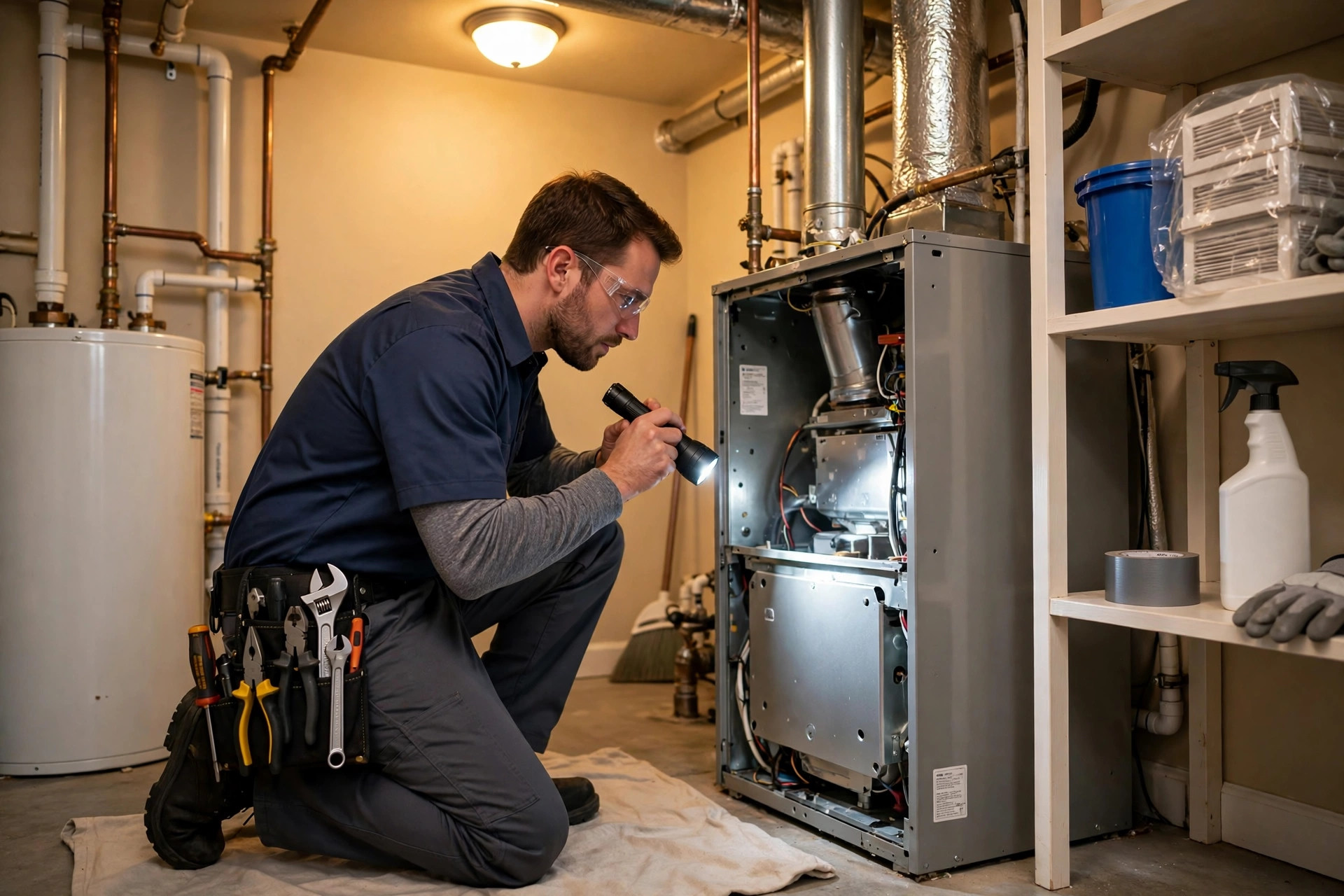
One tap from the text to a booked slot. That is the whole system working.
Your 30-day setup checklist
Do this in order. By day 30, every missed call should get a text without anyone thinking about it.
- 1Pull one week of missed calls from your phone system. Count them and note the times. Morning rush and after hours are usually the worst.
- 2Pick a texting platform with a shared inbox. Every thread must be visible to the team, not stuck on the writer’s personal phone.
- 3Write your templates. Estimate request, status check, tow emergency, and price shopper. Each under three sentences with one question and one next step.
- 4Connect your online scheduling link. Test the full booking flow on your phone. If the link does not book a real slot, fix it before launch.
- 5Set routing and backup rules. Status checks go first. If the writer is busy, threads route to the backup person automatically.
- 6Write the after-hours template. Acknowledge the closure, offer the booking link, promise a morning callback window.
- 7Test it like a customer. Call from your own phone, miss the call on purpose, and read every text. Fix anything confusing.
- 8Track recovered jobs weekly. Missed calls, texts sent, replies, bookings made, repair orders completed. Review every Monday morning.
Frequently asked questions
How fast should the text go out after a missed call?
Within one minute. Auto repair callers are comparing shops in real time, and a text that arrives before they dial the next number keeps them in your conversation. Anything past five minutes loses most of the effect.
What should I text someone asking “is my car ready?”
Ask for their name, check with the tech, and reply with the specific job and a real time: “The brake job is finishing now, ready around 3pm.” Route status texts to the service writer first, because a fast specific answer protects the trust behind the whole repair order.
Should the text include my online booking link?
Yes, in the second text, once you know the caller wants to book. The link is the fast path for callers who will not wait for a callback. Make sure the scheduling page shows real availability and confirms the booking without a phone call.
Can I give repair prices by text?
Give ranges, not firm quotes. Name what the range covers and say the final number comes after inspection. A firm price by text becomes a fight at the counter when the real diagnosis costs more.
Does this work after hours and on weekends?
That is where it works best. Breakdowns happen at night and on Sundays. An after-hours text with a booking link turns a voicemail dead end into a Monday morning appointment, and the caller never dials your competitor.
Will customers think the text is spam?
Not when it arrives a minute after they called you. They just dialed your number, so a reply text feels like customer service, not marketing. Include your shop name, keep it short, and include opt-out instructions to stay compliant. For choosing the right setup, see how to choose an AI receptionist.
Fill the bays your phone system is leaving empty
Digital Hayder helps auto repair shops set up missed call text back, online scheduling, and AI follow-up that runs on its own: instant texts, smart routing to your service writer, and a booking link in every conversation. Tell us about your shop and we will map the fastest way to recover the jobs you are missing now.
Contact Us