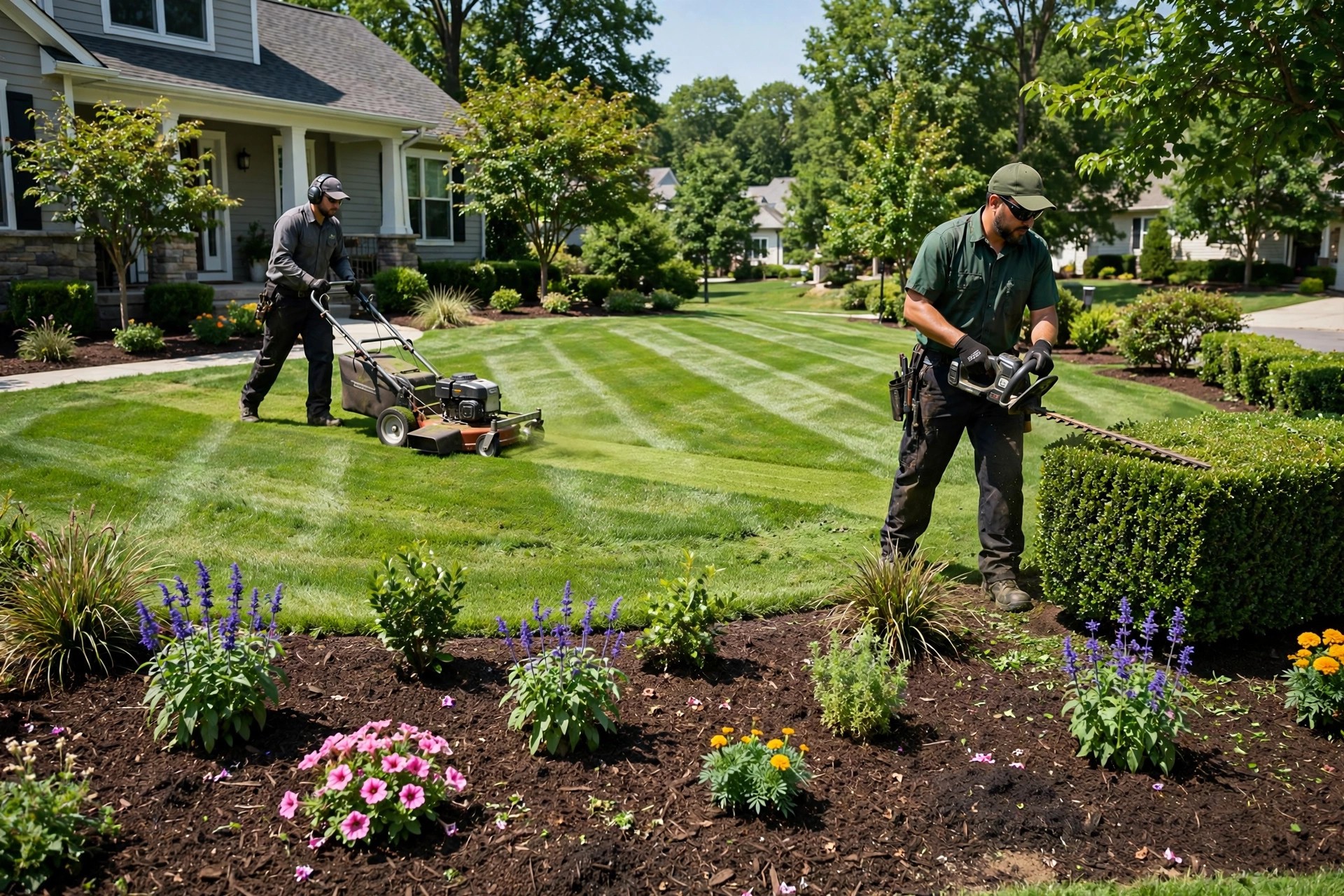
Google Ads for landscaping companies is a tale of two businesses wearing one uniform. The weekly mowing route and the $25,000 backyard redesign live under the same company name, but they buy clicks at completely different prices and pay back in completely different ways. A “lawn mowing near me” click costs $4 to $12. A “landscape design company” click costs $18 to $38. The mowing lead converts fast and pays monthly. The design lead takes weeks to close and pays once, but pays big. Most landscaping companies run one campaign for everything, mix the two, and conclude that Google Ads is either too expensive or barely moves the needle. Neither is true. This guide breaks down the real costs: cost-per-click bands by service, cost-per-lead benchmarks for maintenance versus projects, how to size a seasonal budget, the campaign structure that keeps the two businesses from eating each other’s budget, and the mistakes that burn money in this trade.
The quick answer
- Typical CPC: $4 to $12 for mowing and lawn care, $12 to $28 for general landscaping, $18 to $38 for landscape design and hardscaping.
- Typical CPL: $25 to $60 for mowing leads, $40 to $90 for maintenance, $75 to $200 for landscape projects, $120 to $300 or more for design/build.
- Starter budget: $1,500 to $3,000 a month for maintenance-focused companies, $3,000 to $8,000 for mixed services, $8,000 or more for design/build.
- Seasonal reality: spring clicks cost the most and convert the best; budget should peak March through May and drop in winter.
- Structure rule: separate campaigns for recurring maintenance and one-time projects, or the cheap mowing traffic will spend the project budget.
- Profit driver: recurring maintenance clients make even high CPLs pay back; one $300 design lead can turn into a $20,000 job.
What Google Ads costs for landscaping companies
The first thing to accept is that there is no single “landscaping CPC.” Your company sells at least three different products to Google’s auction: recurring maintenance (mowing, edging, cleanups), one-time projects (mulch installs, sod, plantings, drainage), and design/build work (patios, retaining walls, full redesigns, landscape lighting). Maintenance keywords are cheap because the ticket is small and the competition includes every guy with a mower. Project keywords cost more because the job is bigger. Design/build keywords are the priciest because a single click can lead to a five-figure contract, and the companies chasing them know it. The average CPC figures floating around online blend all three, which is why they are useless for budgeting. Your budget has to follow the mix of work you actually want.
Two businesses in one: maintenance vs design/build
Think of your ad account as two businesses. Business one is the route business: mowing, trimming, and cleanups sold as weekly or biweekly contracts. Leads close in days, customers pay $150 to $400 a month, and a good client stays for years. This business wants volume: lots of affordable clicks, simple landing pages, and fast quote turnaround. Business two is the project business: landscape design, patios, retaining walls, drainage, and full installs. Leads take weeks to close, need site visits and proposals, and pay $5,000 to $50,000 once. This business wants quality: fewer, better clicks, portfolio-rich landing pages, and a real consultation process. If you let both businesses share one campaign, business one’s cheap clicks spend 80 percent of the budget while business two starves, and you conclude that “project keywords are too expensive” when really they never got a chance. Every section below keeps the two separated.
Landscaping keyword cost benchmarks
These are typical US cost-per-click ranges. Your market will vary with competition and season, but the ordering almost never changes: design and hardscape terms cost the most, maintenance terms cost the least.
| Service type | Example keywords | Typical CPC range | Lead type |
|---|---|---|---|
| Lawn mowing | “lawn mowing near me”, “mowing service” | $4 to $12 | Weekly or biweekly contract |
| Lawn care | “lawn care service”, “fertilization service” | $6 to $15 | Seasonal program |
| General landscaping | “landscaping company near me” | $12 to $28 | Mixed: maintenance or project |
| Sod and mulch installs | “sod installation”, “mulch delivery and install” | $10 to $22 | One-time project |
| Landscape design | “landscape design company”, “backyard design” | $18 to $38 | Consultation, then proposal |
| Hardscaping | “patio installation”, “retaining wall contractor” | $20 to $45 | High-ticket project |

Design and hardscape clicks cost the most because one click can turn into a five-figure project.
Cost per lead by service type
Clicks are not leads, and the gap between them depends on your landing page and how fast you respond. A mowing page with a simple “get a quote” form and a phone number converts well because the ask is small. A design/build page needs to earn a consultation: portfolio photos, process explanation, and a low-friction first step like a free design consult. Expect the maintenance side to convert 10 to 20 percent of clicks into leads, and the project side to convert 5 to 12 percent, because project shoppers research longer and contact more companies.
The maintenance lead vs the project lead
A mowing lead at a $30 to $50 CPL feels cheap until you realize a mowing customer is worth $2,000 to $4,000 a year in recurring revenue. Spend $50 to win a $3,000-a-year route customer and the payback is measured in weeks. That is why the smartest landscaping companies happily pay what looks like a high CPL for maintenance: the lifetime value justifies it many times over. A design/build lead at $150 to $300 feels expensive until the consultation turns into a $25,000 patio and outdoor kitchen. The danger zone is the middle: one-time project leads like mulch or cleanup jobs at $75 to $150 a lead with a $800 job value and no recurring revenue. Those need tight follow-up and upsell into maintenance, or the math barely works. Track CPL by service line, and judge each line against its own lifetime value, not against the account average. For broader ideas on filling the schedule across services, see our landscaping marketing ideas guide.
| Service line | Typical CPL | Typical job value | Payback logic |
|---|---|---|---|
| Weekly mowing | $25 to $60 | $150 to $400 per month, recurring | Recurring revenue pays back in weeks |
| Lawn care programs | $40 to $90 | $400 to $900 per season | Seasonal contract, upsell to mowing |
| Cleanups and mulch | $50 to $120 | $500 to $2,500, one-time | Tight margins; upsell into maintenance |
| Landscape projects | $75 to $200 | $3,000 to $15,000, one-time | Needs strong close rate on proposals |
| Design/build and hardscape | $120 to $300+ | $10,000 to $50,000, one-time | One job covers months of ad spend |
Seasonal budgets: the calendar is the budget
Landscaping demand is a wave, and your budget should ride it instead of fighting it. CPCs and conversion rates both move with the season, and a flat year-round budget wastes money in slow months and starves the account in peak months.
The spring surge: March through May
This is the season. Homeowners emerge from winter, yards look rough, and everyone searches at once. Click costs rise 20 to 40 percent above winter levels, but conversion rates rise too, because intent is at its peak. This is when 40 to 60 percent of your annual ad budget should spend. Start ramping in late February, before the competition bids up, and make sure your landing pages, phone coverage, and quote capacity are ready. The companies that win spring are the ones that answered the phone in March while competitors were still “getting ready.” Budget rule: if you can only afford ads for three months a year, make it these three.
Summer: steady maintenance demand
Summer clicks cost less than spring and convert steadily for mowing, irrigation, and lawn care programs. Project demand softens as the heat sets in, so shift budget toward maintenance campaigns and keep project campaigns lean. This is also the season to build your remarketing lists: every spring visitor who did not convert is now a cheap remarketing target for fall cleanups. Budget rule: run at 50 to 70 percent of spring spend, weighted to maintenance.
Fall cleanups and winter planning
September through November brings the second wave: leaf cleanups, aeration, overseeding, and winterization. Cleanup keywords are cheap and convert fast, so this is high-ROI season for the maintenance side. Design/build interest drops, but smart companies keep a small brand and remarketing presence running so they are top of mind when spring planning starts in January. December through February is the trough: cut spend to maintenance of brand terms and remarketing, use the quiet to rebuild landing pages, refresh portfolio photos, and plan the spring ramp. Budget rule: fall at 40 to 60 percent of spring, winter at 10 to 20 percent.
Campaign structure that fits a seasonal trade
The structural rule for landscaping is simple: maintenance and projects never share a campaign. They have different CPCs, different conversion rates, different close timelines, and different economics. Mixed together, the reporting lies to you.
Separate campaigns for maintenance and projects
Build one campaign cluster for recurring maintenance: mowing, edging, lawn care programs, and cleanups, each as its own ad group with tightly themed keywords. Build a second cluster for projects: landscape design, patios, retaining walls, sod, drainage, and landscape lighting, again with one theme per ad group. Give each cluster its own budget so you can dial maintenance up in summer and projects up in spring without touching the other. Write different ad copy for each: maintenance ads sell speed and simplicity (“Weekly mowing from $45, free quotes”), project ads sell expertise and proof (“Custom patios and outdoor living, 200+ projects built”). Send them to different landing pages: a short quote form for maintenance, a portfolio and consultation page for projects.
Geo, scheduling, and the spring ramp
Landscaping is hyper-local, so geo-target your actual service area with presence-based targeting, and use zip-code bid adjustments to push harder in the neighborhoods with the best lawns and the highest close rates. Exclude the far-flung zips where drive time kills margins, even if the clicks are cheap. Run ads hardest during business hours when the office can answer, and keep evenings covered with an instant-response system, because homeowners browse yards and search after work. Our guide to missed-call text-back for landscapers covers the safety net for the calls you cannot take from the truck. Plan the spring ramp deliberately: raise budgets in the last week of February, launch your spring ad copy and offers by March 1, and review search terms weekly through May, because spring brings a flood of irrelevant queries that need fast negative keywords.
Design/build vs maintenance economics
Here is where most landscaping owners make their budget decision, so let us make it concrete. The maintenance side is a volume game with recurring revenue: cheap clicks, fast closes, and customers who pay every month for years. The project side is a quality game: expensive clicks, slow closes, and one big payday. Both can be profitable on Google Ads, but they need different expectations. A maintenance campaign is healthy when it produces route customers at a CPL under $75. A design/build campaign is healthy when it produces consultations at a CPL under $250, because one in four consultations becomes a proposal and one in three proposals becomes a job.
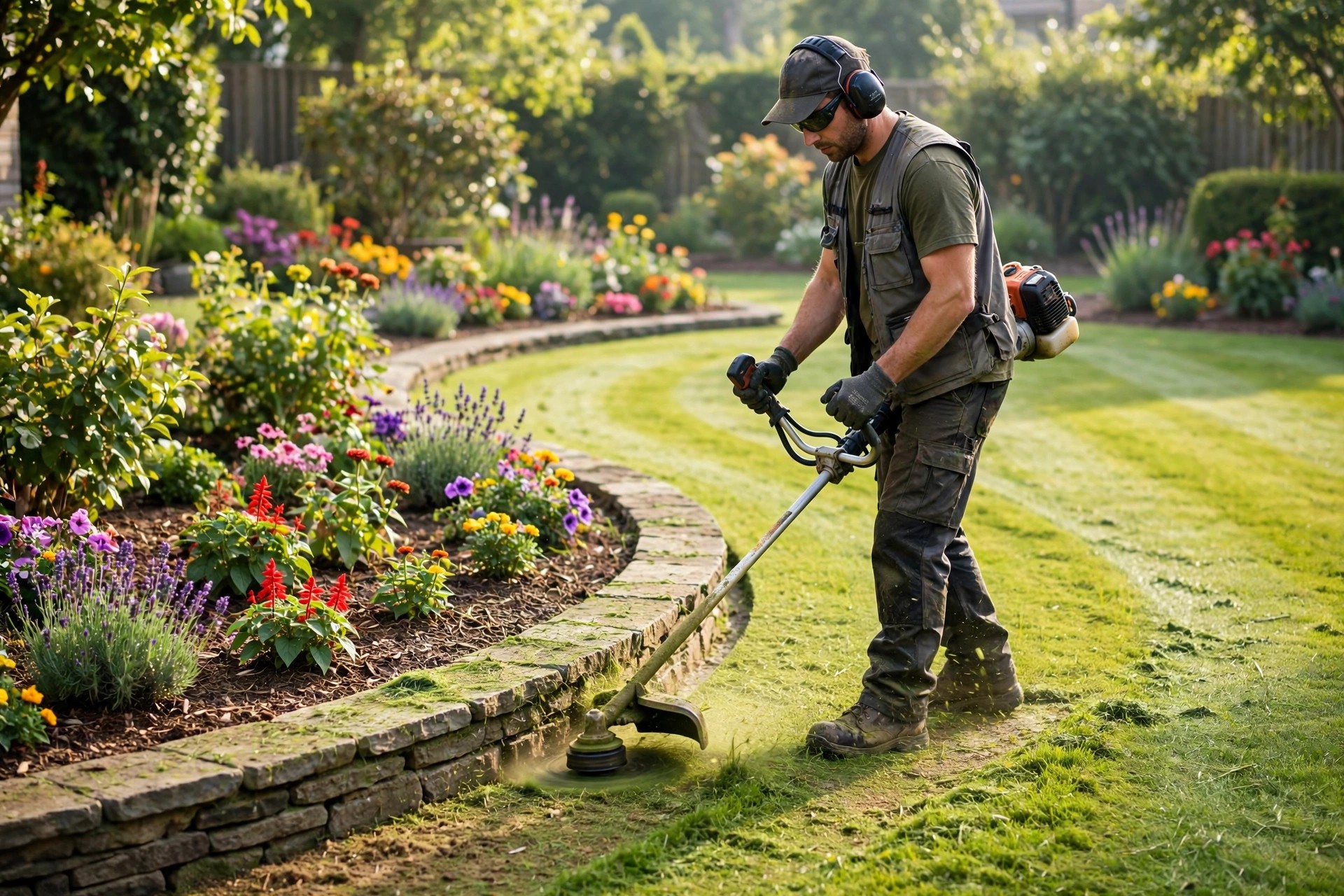
Maintenance leads close fast and pay monthly. Project leads close slow and pay once, but pay big.
Where landscaping ad budgets get burned
The number one burner is the shared campaign: mowing keywords and patio keywords in one ad group, one budget, one landing page. The mowing clicks spend the budget by Tuesday, the patio keywords never get impressions, and the owner concludes that Google Ads only works for cheap work. The second burner is the generic “landscaping services” landing page that tries to sell mowing, design, and retaining walls at once and converts at 4 percent. Split the pages and each converts at 10 percent or better. The third burner is no-show quotes: the office books five estimates, the crew runs late on a job, two get canceled, and the $150 leads die in the calendar. Paid leads need protected quote slots in the schedule. The fourth is bidding on the wrong geography: a 30-mile radius in a metro means half your clicks come from areas you will not service, and the other half go to competitors closer to the searcher. Tighten the radius, add the zips you actually work, and watch CPL drop. The fifth is ignoring the phone: most landscaping leads call, and every unanswered call is a lead you paid for and gave away. Pair the ads with an AI chatbot for landscaping companies on the website so after-hours visitors still get a quote request captured.
Google Ads vs other lead sources for landscapers
Google Ads is the most controllable lead source a landscaping company has, but it is not the only one, and the smartest companies layer channels by season. Yard signs and truck wraps are nearly free and produce steady neighborhood leads. Door hangers work brilliantly in spring on streets where you already have a customer. Referrals are the best leads in the business and cost almost nothing, but you cannot turn them up in March when you need crews busy. Review sites and marketplaces produce leads at a per-lead fee, with quality that varies by platform and season.
| Lead source | Typical cost per lead | Best for | Control |
|---|---|---|---|
| Google Search Ads | $25 to $300 by service | Both maintenance and projects | Full: budget, keywords, schedule |
| Local Services Ads | $20 to $80 per lead | Maintenance and cleanups | Medium: pay per lead, limited volume |
| Facebook/Instagram ads | $15 to $75 | Before/after project showcases | Full, but interruptive intent |
| Door hangers and yard signs | $5 to $25 | Neighborhood density on routes | Low, seasonal and manual |
| Referrals | $0 to $50 in rewards | Highest-quality everything | None, compounds over years |
| SEO and Google Business Profile | $20 to $80 amortized | Free clicks once ranked | Slow, 6 to 12 months to build |
Tracking and attribution that keeps you honest
Landscaping leads mostly call, so call tracking is not optional. Use dynamic number insertion to tie every call back to the keyword and campaign that produced it, and log the outcome: quote booked, no answer, wrong number, price shopper. Review the call log weekly in spring, because a campaign with a $40 CPL and a 60 percent quote rate beats a campaign with a $25 CPL and a 10 percent quote rate, and only the call data shows you that. Push qualified calls back into Google Ads as conversions so the automated bidding optimizes for quotes, not clicks. For projects, track all the way to the proposal and the signed contract in a simple spreadsheet or CRM, because a keyword that produces three $20,000 patios a year is worth more than a keyword that produces thirty mowing quotes, even if the CPL looks worse.
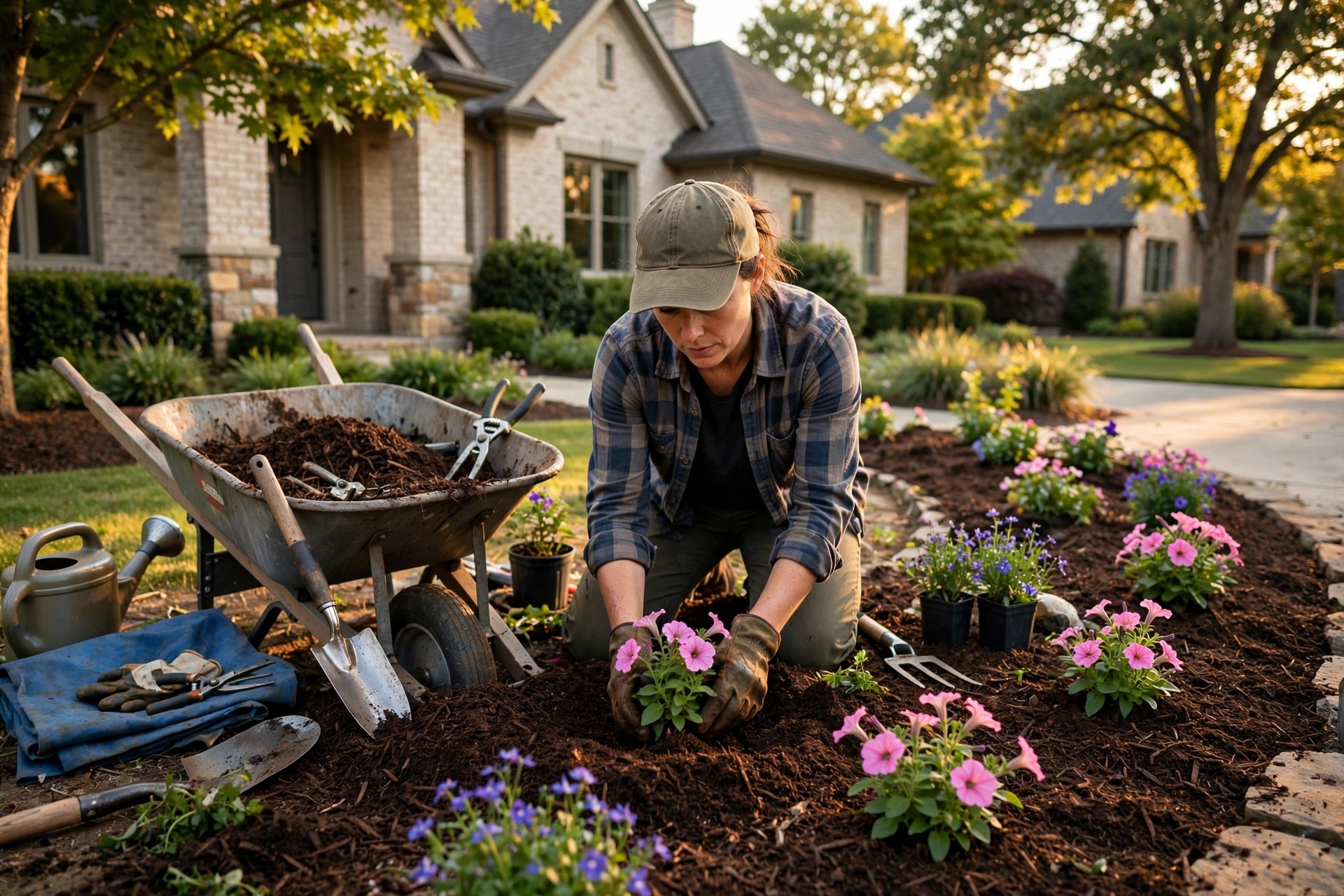
Track every paid lead to the signed contract. A $300 project lead beats thirty cheap ones.
Your rollout checklist
Build the structure before spring, then ride the season.
- 1Split maintenance and projects into separate campaigns. Different budgets, different ad copy, different landing pages, from day one.
- 2Build two landing pages. A short quote form for maintenance, a portfolio and consultation page for design/build.
- 3Set up call tracking. Dynamic numbers tied to keyword and campaign, with call outcomes logged weekly.
- 4Target your real service area. Presence-based targeting, tight radius, zip-code bid adjustments for your best neighborhoods.
- 5Load seasonal negatives. Block jobs, DIY, free, and out-of-area terms before the spring flood of irrelevant queries.
- 6Plan the budget calendar. Peak spend March through May, steady summer, fall cleanup push, minimal winter.
- 7Protect quote slots. Paid leads need guaranteed estimate appointments in the schedule, or they die waiting.
- 8Answer the phone. Every missed call is a paid lead given away; add text-back and after-hours capture.
- 9Track CPL by service line. Judge mowing against route lifetime value and projects against job value, never against the account average.
- 10Review weekly in spring. Search terms, CPL by campaign, and quote rates, with budget shifts every Friday.
Frequently asked questions
How much do Google Ads cost for a landscaping company?
Clicks run $4 to $12 for mowing and lawn care, $12 to $28 for general landscaping, and $18 to $38 for landscape design and hardscaping. Monthly budgets typically run $1,500 to $3,000 for maintenance-focused companies and $3,000 to $8,000 or more for mixed services and design/build.
What is a good cost per lead for landscaping?
It depends on the service: $25 to $60 for mowing leads, $40 to $90 for maintenance programs, $75 to $200 for landscape projects, and $120 to $300 or more for design/build consultations. Judge each against its own lifetime value, not the account average.
Should mowing and landscaping projects share one campaign?
No. They have different click prices, conversion rates, close timelines, and economics. Shared campaigns let cheap maintenance clicks spend the budget while project keywords starve. Separate campaigns, budgets, ad copy, and landing pages from day one.
When should a landscaping company run Google Ads?
Heaviest March through May, when demand and intent peak. Steady through summer for maintenance, a fall push for cleanups, and minimal spend in winter. A flat year-round budget wastes money in slow months and starves peak months.
Do Google Ads work for landscape design companies?
Yes, at higher costs and higher payoffs. Design clicks run $18 to $38 and leads $120 to $300 or more, but one consultation can become a $20,000 to $50,000 project. Portfolio-rich landing pages and a real consultation process are what make the math work.
Are Google Ads or Local Services Ads better for landscapers?
Search Ads give you full control over keywords, budget, and schedule, and work for both maintenance and projects. Local Services Ads charge per lead and suit maintenance and cleanups, but volume is limited. Most companies get the best results running Search as the core with LSA as a supplement.
Why is my landscaping CPL so high?
The usual causes are mixed campaigns letting one service line spend everything, a generic landing page converting under 5 percent, too-wide geo targeting, and missed calls. Fix the structure and the page first; the CPL usually drops without touching bids.
How do I stop wasting budget on irrelevant landscaping clicks?
Use phrase and exact match on themed ad groups, keep broad match tightly controlled, and build a seasonal negative list: jobs, DIY, free, used equipment, and out-of-area terms. Review search terms weekly in spring when irrelevant volume peaks.
How fast should I follow up on landscaping leads?
Minutes, not hours. Homeowners contact several companies at once, and the first to respond usually wins the quote. Same-day estimates for maintenance and a scheduled consultation within days for projects is the standard that converts.
Can a small landscaping company afford Google Ads?
Yes, starting around $1,500 to $3,000 a month focused on one or two maintenance services in a tight service area. Start narrow, prove the CPL against route lifetime value, and expand into projects once the maintenance side pays for itself.
Fill the route and the project calendar
Digital Hayder runs Google Ads for landscaping companies: separate campaigns for maintenance and design/build, landing pages that convert, call tracking that shows which keywords book quotes, and follow-up automation so no lead waits. Tell us about your services and your season, and we will build the plan around it.
Contact Us