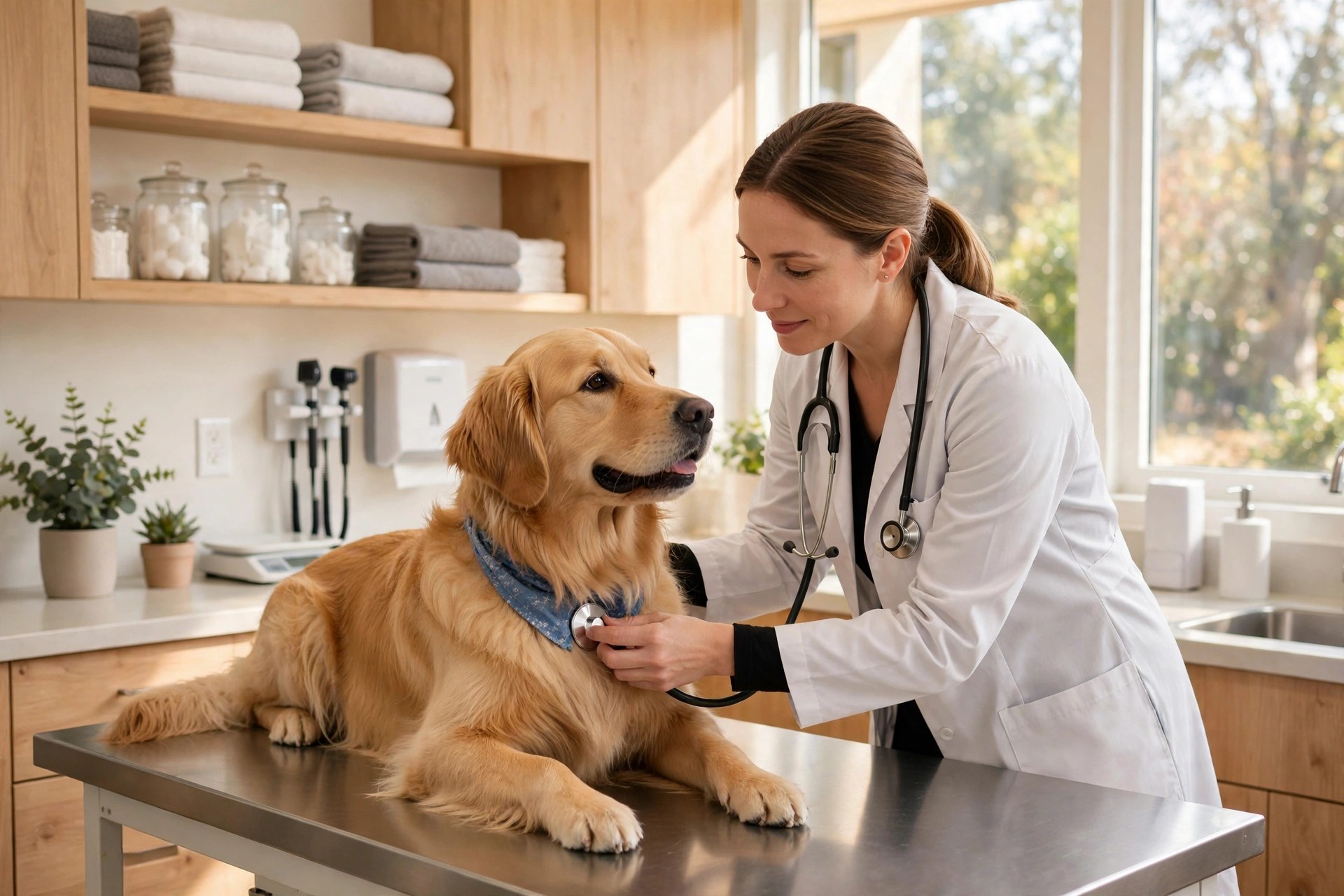
A family brings home a golden retriever puppy, visits the vet three times in the first four months for the vaccine series, and then disappears. Two years later the dog is overdue on every vaccine, has never had a dental check, and the clinic has not sent a single reminder. When the dog finally needs care, the family Googles a vet near their new apartment instead of driving back to the clinic that raised the puppy. The clinic did nothing wrong medically. It just went silent, and in veterinary medicine, silence costs patients. Pets need recurring care on a schedule the owner cannot be expected to remember: annual exams, vaccine boosters, flea and tick prevention, dental checks, and twice-yearly senior visits. Email is the reminder system that keeps all of it on track. This guide covers the campaigns that matter for veterinary clinics: vaccination and wellness reminders, seasonal health alerts, dental and senior-pet campaigns, win-back emails for lapsed clients, and how to build the list from your booking system with clean consent.
The quick answer
- Reminders beat newsletters: vet email wins through care reminders triggered by the pet’s record, not generic monthly blasts.
- Vaccination and wellness reminders: annual exam and booster sequences are the highest-revenue automation a clinic can build.
- Seasonal health alerts: flea season, heat safety, and holiday hazards give you timely reasons to contact every pet owner.
- Dental and senior-pet campaigns: the two most underbooked services in most clinics, and both respond well to education plus an offer.
- Win-back emails for lapsed clients: pets that have not been seen in 18 months are recoverable with a short, caring series.
- Build the list from booking: capture every email at booking and check-in with clear consent, and keep marketing separate from medical messages.
Why veterinary clinics are built for email
Few local businesses have a better email opportunity than a vet clinic. Every patient has a detailed record: species, breed, age, vaccine dates, weight trends, and conditions. Every one of those data points is a trigger for a timely, personal email. And pet owners are emotionally invested in a way few other customers are: the open rates on a subject line with the pet’s name in it routinely beat anything a retail business can manage. The average veterinary visit runs $150 to $250, and a healthy adult pet should be seen at least once a year, with seniors needing two visits. That means every active patient is worth $150 to $500 a year, and a lapsed patient is not just a lost visit but a lost multi-year relationship. Email keeps the schedule full with the patients you already earned instead of forcing you to buy every visit with ads. Industry figures have long shown email returning around $36 for every $1 spent, and in a relationship business like veterinary care, the return shows up as booked appointments, not clicks.
Vaccination and wellness reminders
The annual exam is the engine of a veterinary practice. It is the visit where vaccines get boosted, weight gets tracked, early disease gets caught, and the next twelve months of care get planned. Every patient who skips it is lost revenue and, more importantly, a pet with unmonitored health. The reminder system below makes sure almost nobody skips it.
The annual exam engine
Trigger the sequence 30 days before the pet’s annual due date, pulling the date from your practice management software. Email one is personal and specific: the pet’s name, what is due (exam, rabies booster, dental check), and a one-click booking link with your online scheduler. Email two, at 14 days, adds a practical nudge: “Appointments fill up fast this month, and Max is due for his annual.” Email three, at 7 days overdue, is honest and caring: “Max is now overdue for his annual exam. Overdue vaccines can leave gaps in protection.” Then one final email at 30 days overdue with a direct booking link, and move the patient to the win-back track. Personalize every email with the pet’s name, photo if you have one, and the specific services due. Generic “time for a checkup” emails get ignored; “Bella is due for her rabies booster and annual exam” gets booked.
The puppy and kitten first-year series
New puppies and kittens are the most valuable patients a clinic acquires, and the first year decides whether the family becomes a client for life. Build a dedicated email series for every new young pet: a welcome email after the first visit with what to expect in year one, vaccine appointment reminders timed to the booster schedule (typically every 3 to 4 weeks until about 16 weeks), a spay and neuter education email at the right age, and a first-birthday email celebrating the milestone with a reminder that the adult annual schedule now begins. This series does more than fill appointments: it trains new pet owners to see your clinic as their pet’s medical home. Clinics that run it well see dramatically higher first-year retention, because the family never has to wonder what comes next.
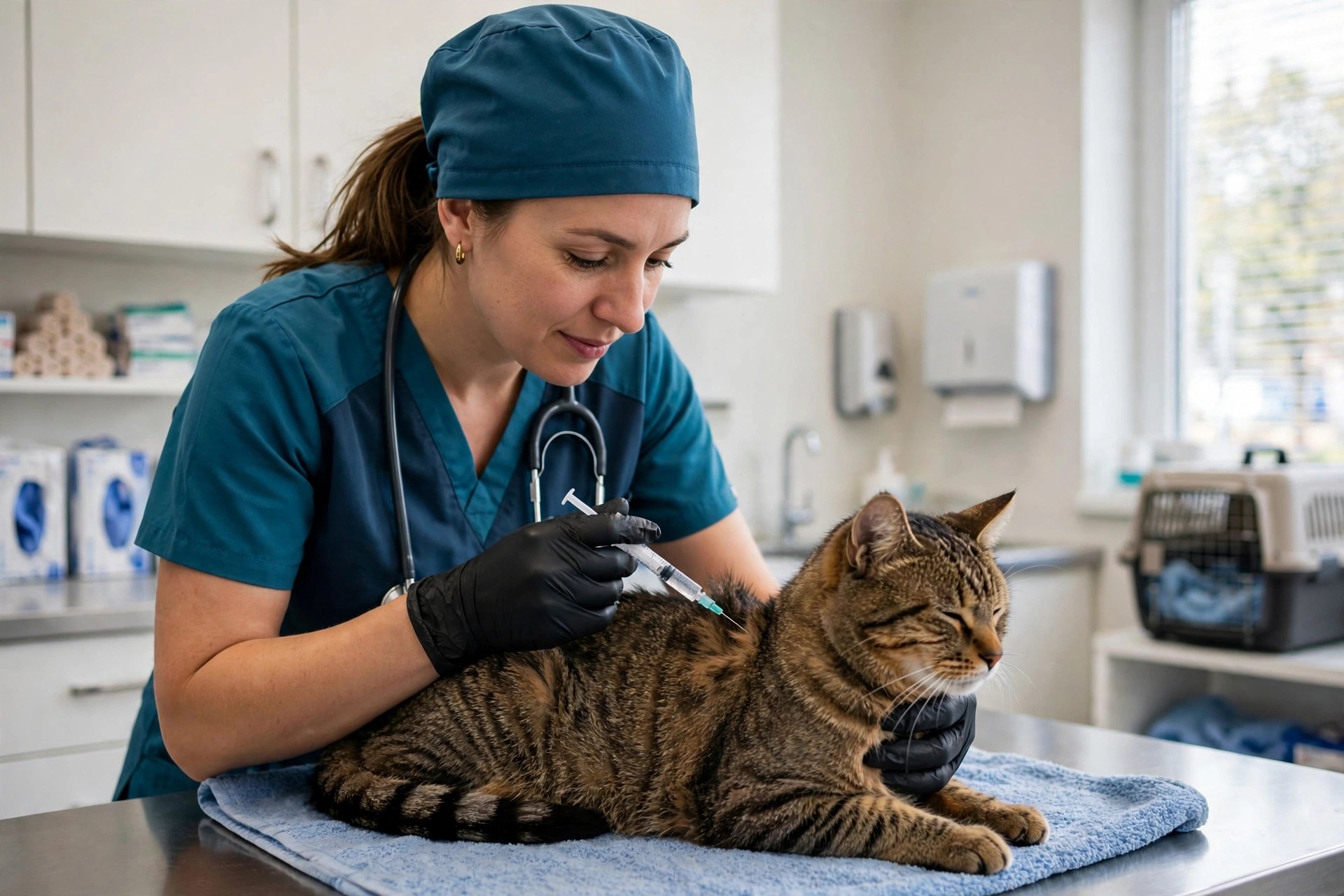
Vaccine due dates in the pet record trigger the highest-booking emails a clinic can send.
Seasonal health alerts
Seasonal emails give you a legitimate reason to contact the whole list several times a year, and pet owners genuinely want this information. The key is to lead with the pet’s safety and let the booking link ride along.
What to send and when
Spring: flea, tick, and heartworm season is starting; remind owners to restart prevention and offer a prevention refill with the annual exam. Summer: heat safety, with the stark facts about cars and pavement, plus boarding and travel health certificates for vacation season. Fall: allergy flare-ups and the start of holiday boarding bookings. Winter holidays: the danger list (chocolate, xylitol, tinsel, lilies for cats) and New Year fireworks anxiety. Each alert gets one email with one genuinely useful checklist and one clear call to action: book the prevention refill, schedule the pre-travel exam, or reserve boarding early. Four to six seasonal alerts a year is the right rhythm. They keep your clinic in the pet owner’s mind between visits, and they consistently produce bookings from owners who had been meaning to call.
Dental and senior-pet campaigns
Ask most clinic owners which services are underbooked and you will hear the same two answers: dental cleanings and senior wellness visits. Both suffer from the same problem: owners do not know their pet needs them. Email solves the awareness gap with education that leads naturally to a booking.
The dental campaign
Most pets over age three show signs of dental disease, yet dental cleanings remain one of the least-booked procedures. Run a focused dental campaign twice a year: an educational email with photos of healthy versus diseased teeth, the warning signs owners can check at home (bad breath, red gums, dropping food), and what a cleaning involves, including anesthesia safety, which is the number one owner fear. Pair it with an offer: 10 to 15 percent off dental cleanings booked during the campaign month, or a free dental assessment with any exam. Target the email to pets over three years old with no dental procedure on record, which your software can identify. A single dental campaign can fill the dental schedule for a quarter, and each cleaning often reveals extractions or further treatment that add real revenue.
The senior-pet program
Pets over seven (large dogs over six) should be seen twice a year, but most owners still think in annual terms. Build a senior-pet track: when a patient crosses the senior threshold, send a warm welcome email explaining what changes (twice-yearly exams, bloodwork baselines, weight and mobility monitoring) and why it matters (pets age faster than people, so six months is a long time). Then run the twice-yearly reminder automatically. Frame it around extra healthy years, not extra bills: “Senior pets can hide illness well. Twice-yearly visits catch problems while they are small and treatable.” Senior owners are often your most loyal clients; treating their aging pet with visible extra care deepens the relationship and the lifetime value.
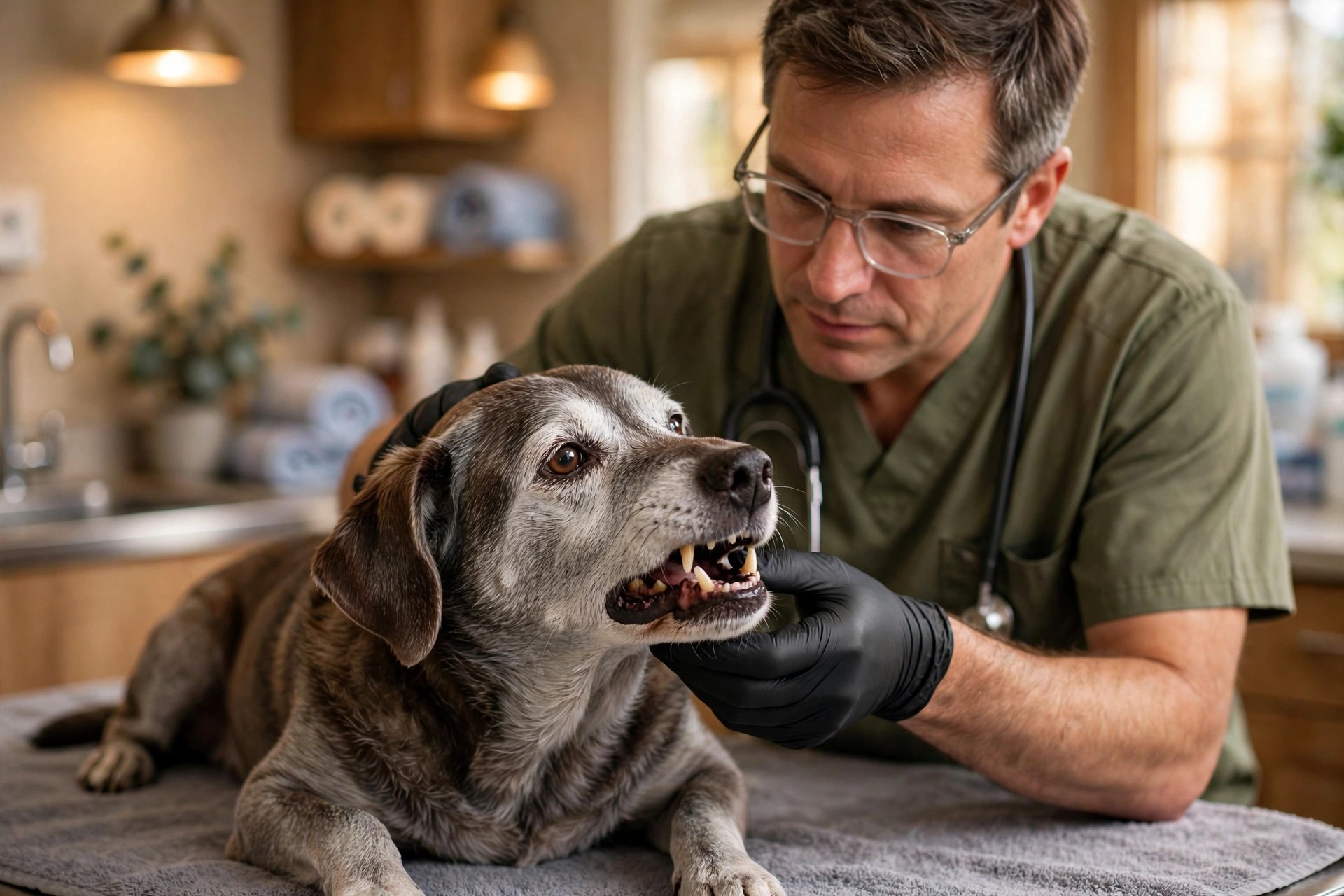
Dental and senior campaigns turn the two most underbooked services into scheduled revenue.
Win-back emails for lapsed clients
Every clinic has patients that drifted away: the family that moved across town, the owner who switched to a cheaper clinic, the puppy client who never came back after year one. A meaningful share of them will return if you simply ask with care. The pet’s medical history is still in your system, which is an advantage no competitor can match.
Define the lapse and segment it
Set the lapse threshold at 18 months with no visit for adult pets, 12 months for seniors and puppies. Segment by reason where you can tell: moved away (offer the records transfer plus a reason to drive back), price-shopped (lead with value, not discounts), or simply drifted (the biggest group, and the most recoverable). Exclude anyone with an unresolved complaint; win-back is not the place to reopen a wound.
The caring reactivation series
Three emails over a month. Email one is personal and warm: “We miss Max. It has been a while since his last visit, and we wanted to check in.” Include the pet’s photo if you have one. Email two, ten days later, is useful: a short seasonal health note relevant to the pet’s age and species, with a booking link. Email three, ten days after that, makes a concrete offer: a discounted wellness exam or a free nail trim with any visit booked this month. Expect 8 to 15 percent of lapsed clients to book, with the drifted segment performing best. Run the series monthly against everyone who newly crosses the threshold, and it becomes a permanent patient-recovery engine. For more ways to keep the schedule full, see our vet clinic marketing ideas guide.
| Campaign | Trigger | Timing | Primary goal |
|---|---|---|---|
| Annual exam reminder | Vaccine and exam due date in pet record | 30, 14, and 7 days before, plus overdue follow-ups | Keep every patient on schedule |
| Puppy and kitten series | First visit for a pet under 16 weeks | Timed to the booster and milestone schedule | First-year retention |
| Seasonal health alert | Calendar: flea season, heat, holidays | 4 to 6 times a year | Prevention sales and bookings |
| Dental campaign | Pet over 3 with no dental on record | Twice a year | Fill the dental schedule |
| Senior-pet track | Pet crosses the senior age threshold | Twice-yearly reminders | Twice-yearly senior visits |
| Win-back series | No visit in 18 months (12 for seniors) | 3 emails over one month | Recover lapsed patients |
List building from the booking system and consent hygiene
Your booking system is a list-building machine if you wire it correctly. Every appointment, online booking, and check-in is a moment to capture an email address with permission. The clinics with the best email results treat the address as part of the medical record: collected carefully, stored centrally, and never abused.
Capture at every touchpoint
Require an email address on the online booking form and the new-client intake form, with a clear opt-in checkbox for health reminders and clinic updates. At check-in, have the front desk confirm the address the same way they confirm the phone number: “Is this still the best email for Max’s reminders?” Add a tablet at checkout for review requests and reminder signups. Offer a new-pet-owner guide or a pet first-aid checklist on the website in exchange for an address; it attracts exactly the engaged owners you want. Tag every address by pet and by source so your segments stay accurate as the list grows. And when the phones ring from these campaigns, make sure every call is answered: our guide to AI chatbots for veterinary clinics covers after-hours booking capture.
Consent hygiene for a medical business
Clinics carry extra trust, so hold a higher standard than the legal minimum. Keep transactional messages (appointment confirmations, lab results, prescription notices) separate from marketing emails, and only send marketing to people who opted in. Use a clear opt-in checkbox, never a pre-checked one, and make unsubscribing one click. Honor opt-outs immediately and keep a suppression list. Never email a purchased or scraped list; it destroys deliverability and betrays the trust a clinic depends on. Review your signup sources twice a year, and watch complaint rates: a clean list of 3,000 engaged pet owners will always beat a dirty list of 30,000. After visits, the same care applies to reviews: see how to get more Google reviews for veterinary clinics.
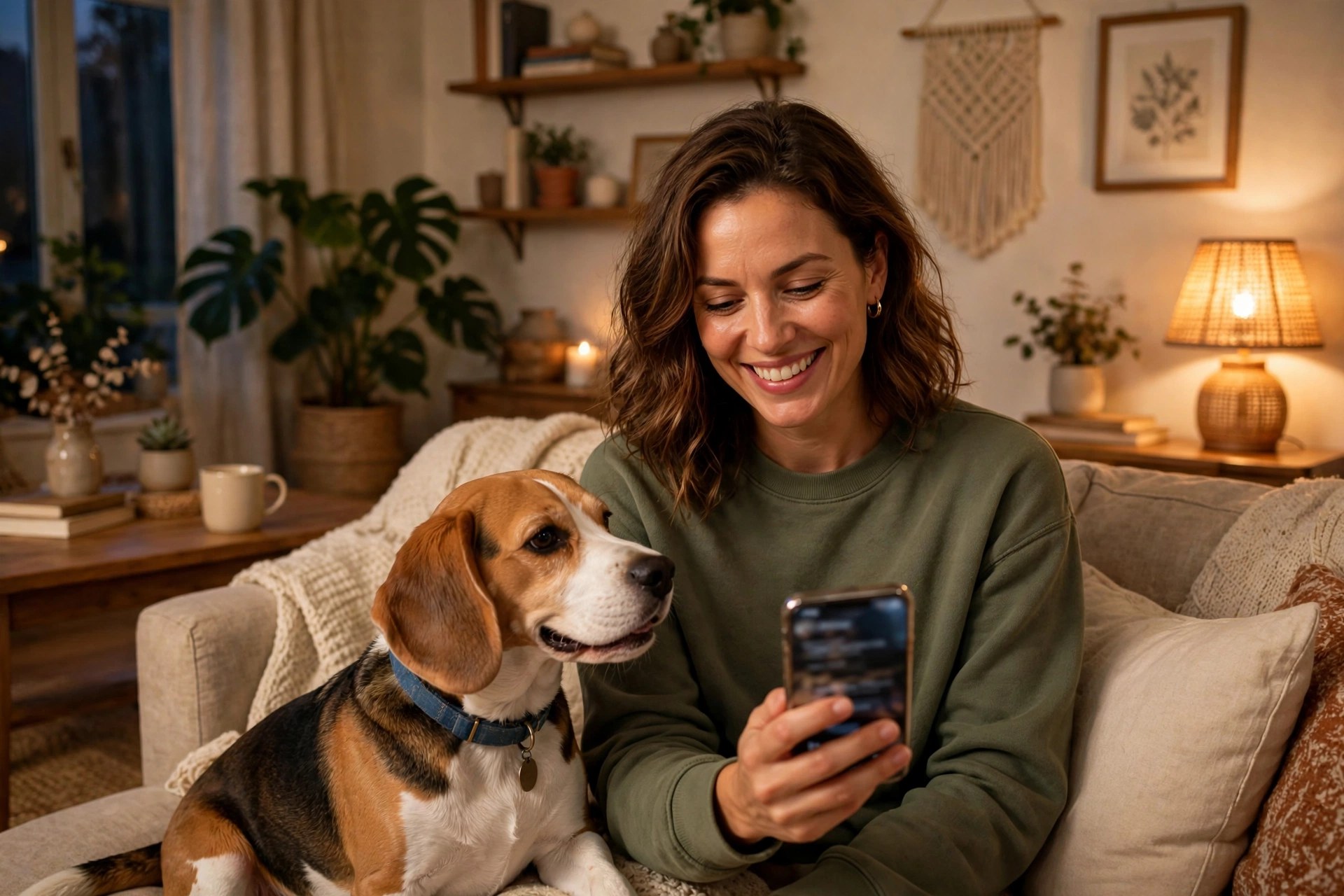
A reminder with the pet’s name in the subject line is the highest-open email a clinic sends.
Your rollout checklist
Start with the annual exam engine, then layer the rest.
- 1Connect email to the practice software. Reminders must trigger from real due dates, vaccine records, and visit history, not a spreadsheet.
- 2Build the annual exam sequence. 30, 14, and 7 days before the due date, plus overdue follow-ups, all personalized with the pet’s name.
- 3Build the puppy and kitten series. Welcome email, booster-schedule reminders, spay and neuter education, and the first-birthday handoff to the adult schedule.
- 4Plan the seasonal alert calendar. Flea season, heat safety, holiday hazards, and allergy season, each with one useful checklist and one booking link.
- 5Launch the dental campaign. Target pets over three with no dental on record, lead with education and anesthesia safety, add a campaign-month offer.
- 6Create the senior-pet track. Welcome email at the senior threshold, then automatic twice-yearly visit reminders.
- 7Build the win-back series. Three caring emails over a month for 18-month lapses, with a concrete reactivation offer in the third.
- 8Review the numbers quarterly. Visit compliance rate, dental bookings, senior visit frequency, and reactivation rate. Double down on what books appointments.
Frequently asked questions
Does email marketing work for veterinary clinics?
Yes. Pets need recurring care on a schedule owners cannot remember, and every patient record is full of trigger data: vaccine dates, age, species, conditions. Reminder and reactivation emails reach people who already trust your clinic, and they directly produce booked appointments.
How often should a vet clinic email clients?
Let automations handle the frequent touches: exam reminders, booster sequences, and win-backs triggered by the pet record. Add four to six seasonal health alerts a year. That rhythm keeps the clinic present without overwhelming busy pet owners.
What is the best email to send after a vet visit?
A follow-up checking on the pet’s recovery after procedures, sent 48 hours later, builds enormous loyalty. For routine visits, the most valuable automated email is the next due-date reminder. A review request a day or two after a good visit also compounds your Google rating.
How do I get pet owners to open clinic emails?
Put the pet’s name in the subject line: “Max is due for his annual exam” beats “Time for a checkup” every time. Personal, specific, and tied to the pet’s health wins. Keep the list to real clients with consent and the open rates follow.
Should I email clients whose pets I have not seen in years?
Yes, with a short win-back series, unless there was an unresolved complaint. Three caring emails over a month, with a concrete offer in the last one, typically brings back 8 to 15 percent of lapsed clients. The pet’s history in your system is an advantage no competitor can match.
How do I handle email consent for a vet clinic?
Use a clear opt-in checkbox on booking and intake forms, never a pre-checked one. Keep transactional messages like confirmations and lab results separate from marketing emails, make unsubscribing one click, and never email a purchased list. Clinics run on trust, so hold a higher standard than the legal minimum.
What email tool should a veterinary clinic use?
Use whatever integrates with your practice management software so triggers fire from real patient data: due dates, vaccine records, age thresholds. The integration matters more than the brand of the tool. If your software cannot trigger on patient events, fix that first.
Keep every pet on schedule, automatically
Digital Hayder builds email systems for veterinary clinics: vaccination reminders, seasonal health alerts, dental and senior-pet campaigns, and win-back automation that runs on your real patient records. Tell us about your clinic and we will design the reminder engine around it.
Contact Us