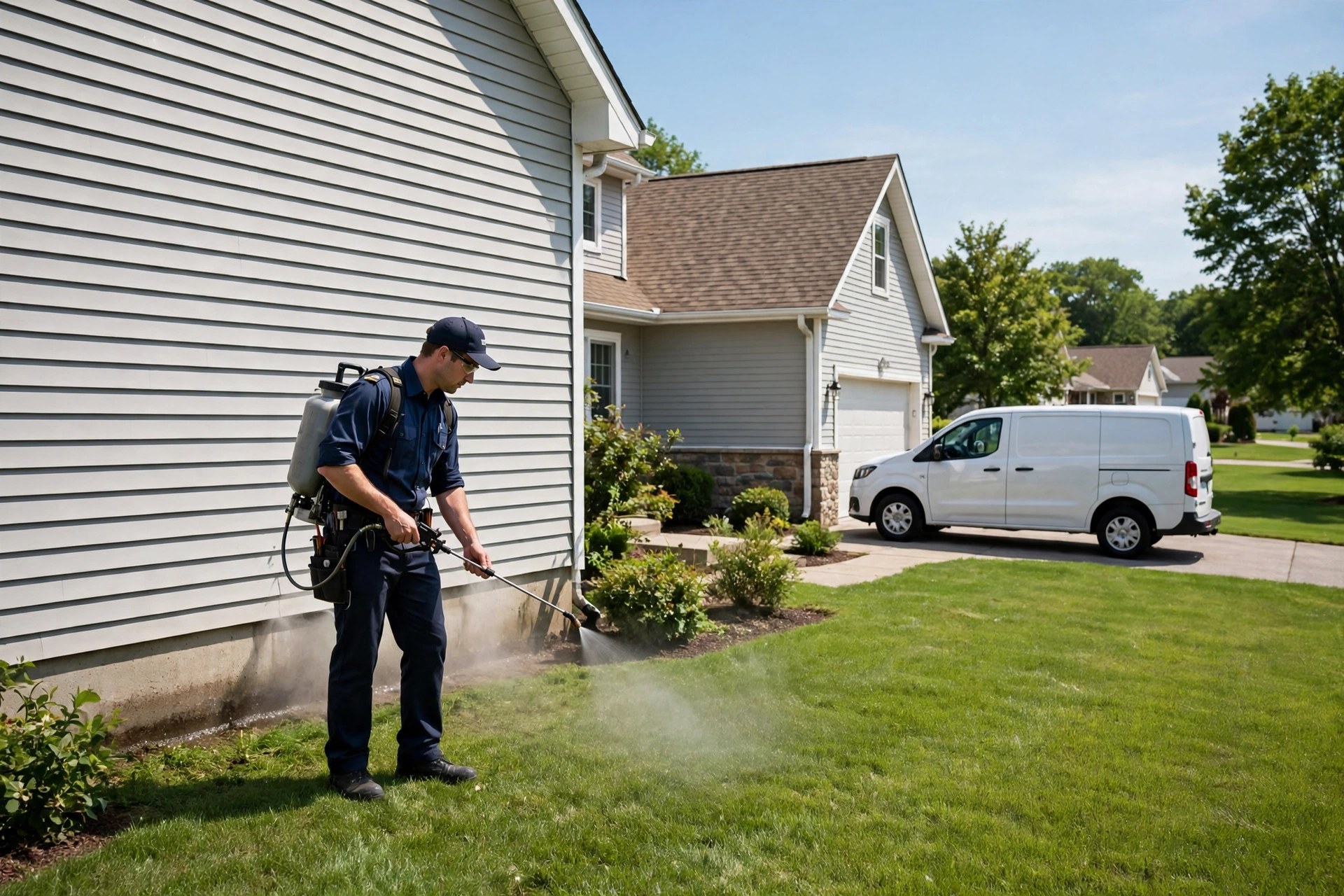
Every spring, the phones at a mid-size pest control company light up with ant and mosquito calls. The techs run hard from March through September, treatments go well, and customers are happy. Then winter arrives, the quarterly plan customers quietly drift, and by the next spring a solid chunk of them have signed with a competitor who simply asked first. Nothing failed in the field. The treatments worked. The company just went silent between visits, and silence is where renewals die. Pest control is a retention business wearing an acquisition costume: the real money sits in quarterly plans that renew year after year, not in one-time sprays. This guide goes deep on the email campaigns that protect that recurring revenue: seasonal treatment reminders, plan-renewal sequences, referral campaigns after successful treatments, and win-back emails for lapsed customers. Email is the retention layer that compounds every dollar you spend on ads, door knocking, and trucks.
The quick answer
- Retention layer, not newsletter: pest control email wins through timed reminders and sequences, not monthly blasts about the company.
- Seasonal treatment reminders: one well-timed email per pest season keeps quarterly customers booking and opens the door to add-on services.
- Plan-renewal sequences: start 60 days before renewal with a value recap, then tighten to a clear deadline. Silence at renewal is churn.
- Referral campaigns after treatments: ask within 48 hours of a successful visit, reward both sides, and track it with links.
- Win-back emails for lapsed customers: canceled plans and skipped visits are recoverable with a short, honest reactivation series.
- List building and consent: collect addresses at every touchpoint with clear permission, and never buy a list.
Why pest control runs on retention
A quarterly pest control plan at $100 to $150 per visit is worth $400 to $600 a year per household, and a customer who stays five years is worth $2,000 to $3,000 in mostly predictable revenue. Compare that to the cost of replacing them: Google Ads clicks for pest control keywords routinely run $15 to $45, and every new customer needs an initial inspection before the plan even starts. The math is brutal for companies that treat email as an afterthought. You pay full price to acquire a household, service them well, and then let the relationship cool until a competitor picks them up. Classic business research on retention, from Bain and Company, has long shown that a small lift in customer retention can raise profits by 25 percent or more, and in a recurring-revenue trade like pest control, that finding hits harder than in almost any other local business. Email is the cheapest retention tool you own: it costs pennies per send, it reaches people who already trust your techs, and it fires automatically at the exact moments when renewal decisions get made.
Seasonal treatment reminders
The pest calendar is your email calendar. Every region has a predictable parade of pests, and each one is a reason to contact your list with something useful. The mistake most companies make is emailing only when they want to sell something. The companies that win email before the problem shows up, with a reminder that reads like a service.
The quarterly cadence
Build four anchor campaigns a year, timed three to four weeks before each season’s peak pressure. Spring: ants, termites, and the first mosquito wave, plus the termite inspection pitch. Summer: mosquitoes, wasps, and fleas, with the mosquito barrier add-on as the natural upsell. Fall: rodents and spiders moving indoors as temperatures drop, plus sealing and exclusion work. Winter: rodent monitoring and attic inspections that keep techs busy. Each email needs one clear job: remind, educate, and book. “Mosquito season starts in about three weeks in our area. Your quarterly plan covers the perimeter, and our mosquito barrier add-on takes 20 minutes and keeps the backyard usable all summer. Reply to this email or tap here to add it to your next visit.” One follow-up to non-openers a week later, then stop. The seasonal rhythm trains customers to expect your emails, which lifts open rates across every other campaign.
Make each reminder feel like a service, not a sales pitch
Frame the reminder around protection and timing. Homeowners respond to “rodents start moving indoors when nights drop below 50 degrees” far better than “fall pest special.” Include one genuinely useful tip per email: where mice enter (gaps the width of a pencil), why standing water breeds mosquitoes in 48 hours, or how to store firewood away from the foundation. The tip does two jobs: it gets the email opened, and it positions your company as the expert, so the next booking goes to you without a quote from anyone else. For broader ideas on filling the schedule in slow months, see our pest control marketing ideas guide.
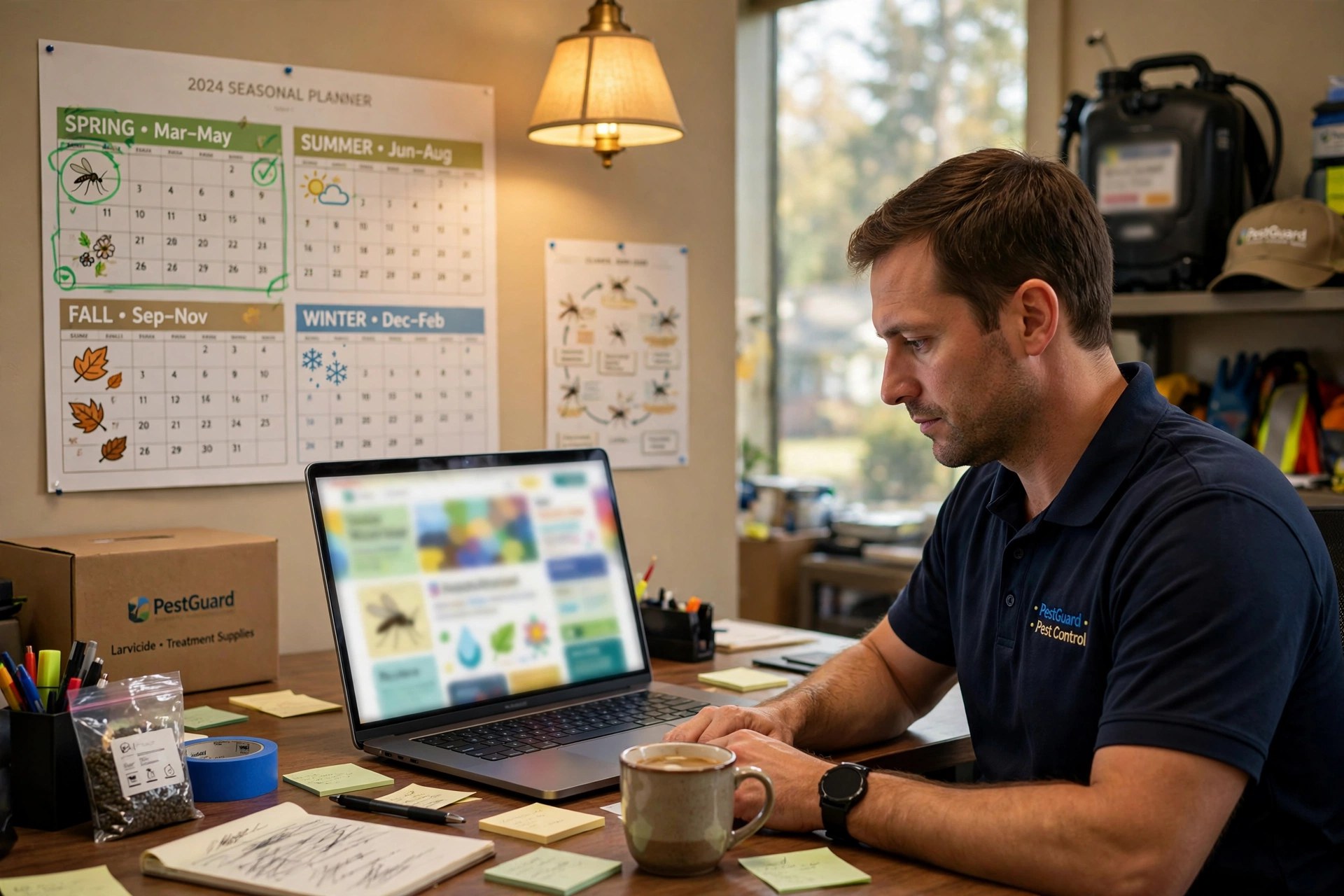
One useful tip per seasonal email keeps open rates high and your company top of mind.
Plan-renewal sequences
Renewal is the single highest-value moment in the customer lifecycle, and it is where most pest control companies do the least. An annual plan that renews without friction is the closest thing this industry has to subscription revenue. A renewal that requires the customer to remember, call, and re-commit is a churn machine. The sequence below removes the friction and the forgetting.
The 60-30-7 renewal window
Start 60 days before the renewal date with a value recap: “This year we completed 4 quarterly treatments, 1 termite inspection, and 2 free re-services at your home. Your plan renews on June 1 at the same quarterly rate.” This email answers the unasked question, “what am I paying for,” with specifics from their service history. At 30 days, make the renewal concrete: the new term dates, the rate, and a one-click confirm or an auto-renew toggle. At 7 days, add a clear deadline: “Your plan renews in one week. Confirm now to keep your rate and your service schedule.” The day after expiry, if they lapsed, send the save email: a short personal note that their coverage has paused and rejoining takes one tap. Quarterly plans get a lighter version of the same rhythm, anchored to the next scheduled visit rather than a calendar date. Track renewal rate by cohort before and after you launch the sequence; most companies see a 5 to 15 point lift within the first cycle.
Handle failed payments like renewals, not collections
A surprising share of “canceled” plans are just expired credit cards. Build a short recovery sequence: a polite heads-up the day a payment fails, a second note three days later with a direct update link, and a final one at seven days warning that service pauses without a valid card. Keep the tone helpful, never threatening. Recovering even half of failed payments protects thousands in annual revenue at zero cost. The same automation thinking applies to the phones: when customers call about billing and nobody picks up, our guide to missed-call text-back for pest control covers the safety net.
Referral campaigns after successful treatments
Nothing sells pest control like a neighbor watching your tech leave a pest-free home. Referrals are the highest-converting, lowest-cost acquisition channel in the trade, but most companies ask for them awkwardly or not at all. Email fixes the awkwardness: a short, timed, rewarded ask beats a tech mumbling “tell your friends” at the door.
Time the ask to the relief
Send the referral email 48 hours after a completed treatment, when the relief is fresh and the customer is most grateful. Trigger it from the completed job in your system, not from a monthly batch, so the timing is always right. Keep it personal and specific: name the tech, name the service, and make the share dead simple with a pre-written message and a trackable link. “Mike treated your home for ants on Tuesday. If a neighbor is fighting the same battle, forward this: they get $25 off their first treatment, and you get $25 off your next visit.” One reminder a week later to non-sharers, then stop. Asking again and again burns goodwill; asking once, well, builds a pipeline.
Reward both sides and track every link
Double-sided rewards outperform one-sided ones because the customer feels good giving, not just getting. A $25 to $50 credit for each side is the standard band; free add-on upgrades (a mosquito barrier treatment, a wasp nest removal) can work even better because they cost you less than their perceived value. Give every customer a unique referral link so you know exactly which referrals came from email and which customers are your best advocates. Your top 10 percent of referrers deserve a personal thank-you and maybe a bigger reward tier. Over a year, a working referral email program can quietly become your second-biggest source of new plans, behind only Google. And when those referred neighbors call, make sure the review engine is running too: see how to get more Google reviews for pest control companies.
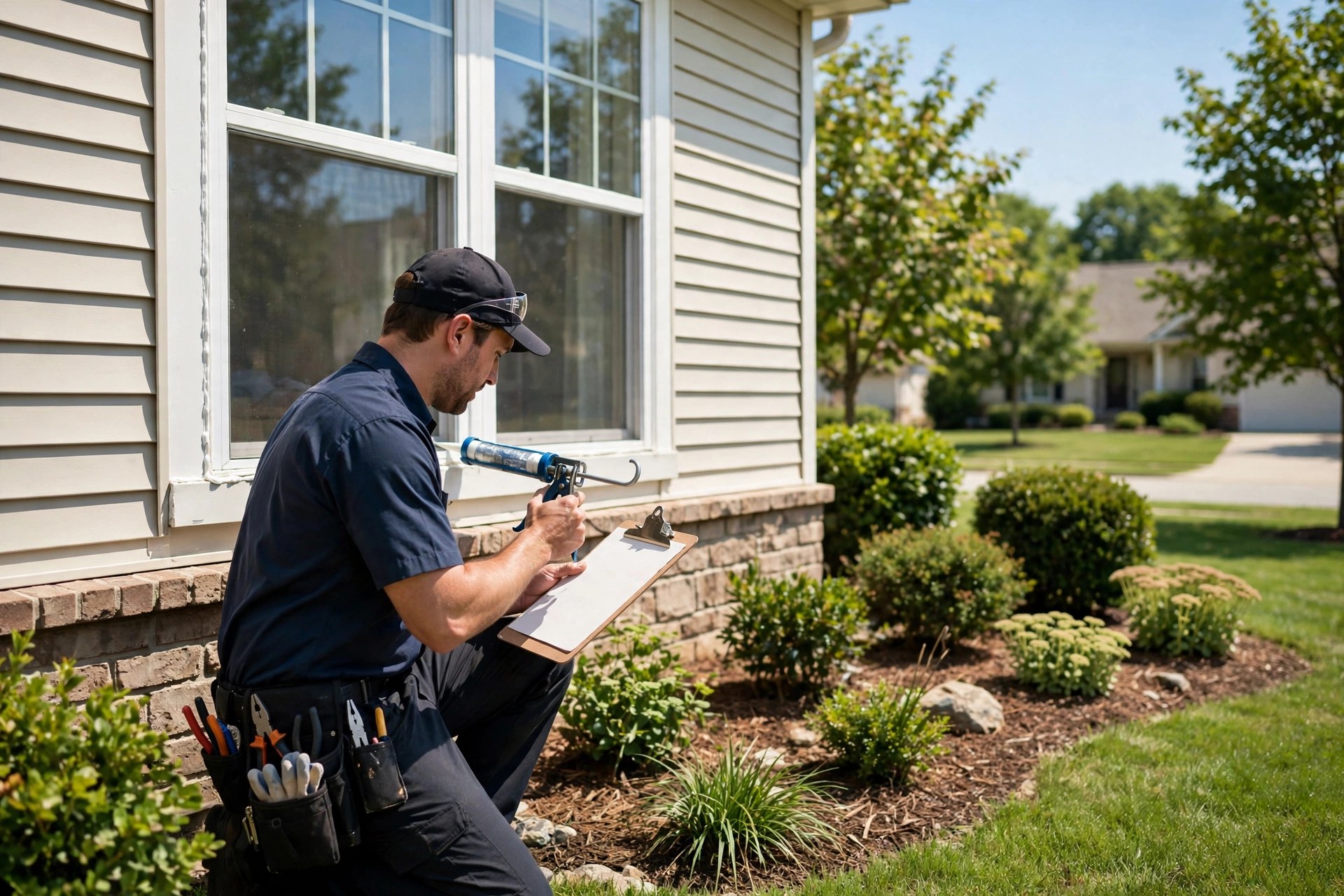
Good service history in the customer record powers both renewal recaps and referral timing.
Win-back emails for lapsed customers
Every pest control company has a graveyard: canceled plans, skipped quarterly visits, one-time customers who never came back. Most of that list is recoverable. These people already know your company, your techs have been in their home, and the only thing standing between you and their business is a reason to return. A short win-back series gives them one.
Find the lapse triggers
Define lapse clearly in your system so the automation knows who qualifies: a canceled plan, a quarterly customer who skipped two scheduled visits, or any customer with no booking in 12 months. Exclude anyone who left angry or asked never to be contacted; winning back a hostile ex-customer is not worth the review risk. Segment the lapsed list by their last service type, because the win-back offer for a canceled quarterly plan differs from the one for a one-time wasp removal. The trigger matters more than the creative: an email that arrives two weeks after a skipped visit will always beat a prettier email sent at a random time.
The reactivation series
Keep it to three emails over three weeks. Email one is honest and light: “We noticed your pest plan paused a few months ago. Anything we could have done better?” with a one-question reply option. The replies are gold: they tell you why people leave, which is usually price, a missed visit, or simply forgetting. Email two, a week later, makes the offer concrete: a free inspection, $50 off the first treatment back, or a discounted quarterly restart. Email three, another week later, is the honest last call: “This is the last email about it. If pests come back, we are one call away.” Expect 5 to 15 percent of the lapsed list to reactivate, depending on how long they have been gone. Run the series quarterly against everyone who lapsed in the period, and it becomes a permanent recovery engine.
| Campaign | Trigger | Timing | Primary goal |
|---|---|---|---|
| Seasonal reminder | Calendar, 3 to 4 weeks before pest season | 4 times a year | Keep plans active, sell add-ons |
| Plan renewal | Renewal date in customer record | 60, 30, and 7 days before | Lift renewal rate |
| Referral ask | Completed treatment | 48 hours after the visit | New plan signups from neighbors |
| Win-back series | Canceled plan or 12 months inactive | 3 emails over 3 weeks | Reactivate lapsed customers |
| Review request | Successful treatment | 24 hours after the visit | Fresh Google reviews |
| Failed payment recovery | Declined card on file | Day 0, 3, and 7 | Save accidental churn |

A satisfied customer 48 hours after treatment is your best referral source. Email asks at exactly that moment.
List building and consent hygiene
None of these campaigns work without a clean, permission-based list. The good news is that pest control companies collect contact details naturally; the bad news is that most of them let those details rot in a dispatch system nobody segments.
Build the list at every touchpoint
Add an email opt-in to the quote form, the booking confirmation, the post-service survey, and the technician’s tablet at the door. Offer the website’s pest library as a download in exchange for an address: seasonal pest guides and identification charts earn signups from people who are not ready to buy yet, which is exactly the audience your seasonal emails will warm up. Tag every signup by source so you know which touchpoints produce customers and which produce tire-kickers. Aim for list growth of 5 to 10 percent of your active customer base per quarter; a 3,000-customer company should be adding 150 to 300 real addresses every few months without buying a single one.
Consent hygiene that keeps you out of trouble
Use a clear opt-in checkbox, never a pre-checked one, and keep service emails separate from marketing emails: appointment confirmations can go to everyone, but promotions only go to people who agreed to receive them. Honor unsubscribes within days, keep a suppression list, and never email a purchased or scraped list; it destroys deliverability and can violate anti-spam law. A clean list of 2,000 engaged customers will outperform a dirty list of 20,000 every time. Review your signup sources twice a year and cut anything that produces bounces or complaints.
Your rollout checklist
Build the automations first, then layer the seasonal calendar on top.
- 1Clean and segment the list. Every customer tagged with plan type, renewal date, last visit, and pest history. Remove dead addresses and duplicates.
- 2Build the plan-renewal sequence. Value recap at 60 days, concrete offer at 30 days, deadline at 7 days, save email the day after expiry.
- 3Build the seasonal reminder calendar. Four anchor campaigns timed 3 to 4 weeks before each pest season, each with one tip and one offer.
- 4Launch the post-treatment referral email. Trigger 48 hours after completed jobs, double-sided reward, unique trackable links per customer.
- 5Build the win-back series. Three emails over three weeks for canceled plans and 12-month inactives, with a concrete reactivation offer.
- 6Add failed-payment recovery. Polite dunning at day 0, 3, and 7 with a direct card-update link.
- 7Wire opt-ins into every touchpoint. Quote forms, booking confirmations, tech tablets, and a pest-library download on the website.
- 8Review the numbers quarterly. Renewal rate, reactivation rate, referrals per hundred customers, and revenue per campaign. Double down on what renews plans.
Frequently asked questions
Does email marketing work for pest control companies?
Yes, because pest control is a retention business. Seasonal reminders, renewal sequences, referral asks, and win-back series reach people who already trust your techs, and they protect the recurring plan revenue that acquisition ads cannot. It will not replace Google Ads for new-customer acquisition, but it compounds every other channel.
How often should a pest control company email customers?
Let automations handle the frequent touches: renewal reminders, post-treatment referrals, review requests, and win-backs triggered by behavior. Add four seasonal broadcast emails a year. That rhythm keeps you present without training customers to ignore you.
What is the best email to send after a pest control treatment?
A referral ask 48 hours after the visit, while the relief is fresh, paired with a review request. Both are automated from the completed job, both take no staff time, and together they produce new customers and fresh reviews.
How do I get customers to open pest control emails?
Write subject lines about their home and the season, not your company: “Ants are waking up early this spring” beats “March pest specials.” Specific, timely, and useful wins. Keep the list to real customers with consent and the open rates follow.
Should I email customers who canceled their plan?
Yes, with a short win-back series, unless they left angry or asked not to be contacted. Three honest emails over three weeks, with a concrete reactivation offer, typically brings back 5 to 15 percent of lapsed customers. Exclude the hostile ones; the review risk is not worth it.
How do I build an email list without buying one?
Collect opt-ins at every touchpoint you already own: quote forms, booking confirmations, post-service surveys, and the technician’s tablet. Add a pest-library download on your website for not-yet-ready prospects. A clean list of real customers always beats a purchased list.
What email tool should a pest control company use?
Use whatever integrates with your pest control software so triggers fire from real service data: completed jobs, renewal dates, failed payments. The integration matters more than the brand of the tool. If your current software cannot trigger on service events, fix that first.
Turn one-time treatments into renewing contracts
Digital Hayder builds email systems for pest control companies: seasonal reminders, plan-renewal sequences, referral campaigns, and win-back automation that runs on your real service data. Tell us about your customer base and we will design the retention layer around it.
Contact Us