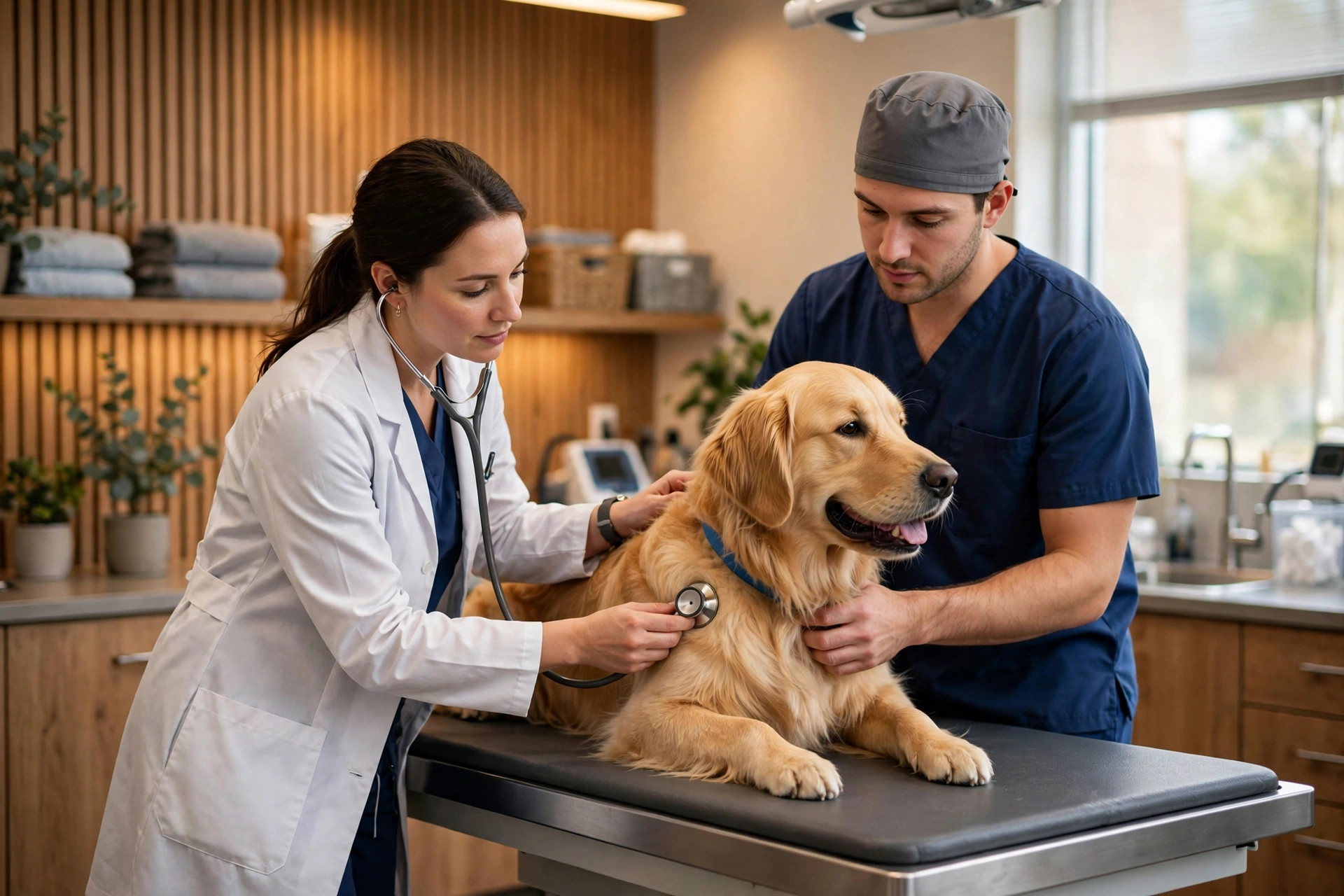
It is 11:20 AM and every exam room is full. A new puppy is getting its first vaccines, a senior cat is in for bloodwork, and the phone has rung six times in the last hour. One of those callers is a panicked owner whose dog has been vomiting since morning. She gets the hold queue, waits four minutes, hangs up, and calls the emergency clinic forty minutes away. Your practice never knew she called. Vet clinics miss calls during appointments all day long, and in veterinary medicine a missed call is not just a lost booking. It is a worried pet owner who needed reassurance, triage, or an urgent slot, and who will remember exactly how hard it was to reach you. A missed-call text-back answers every unanswered call with a text within a minute: it saves the inquiry, sorts urgency from routine, sends booking links for the non-urgent cases, and flags the sick-pet calls for immediate staff attention. This guide covers how the system triages vet calls safely, message templates for the calls every clinic gets, how it plugs into your practice management reminders, and the follow-up that turns unbooked inquiries into appointments.
The quick answer
- Clinics miss calls during appointments: the automatic text replies within a minute, so no worried owner waits on hold or gives up.
- Triage comes first: the first question sorts sick-pet urgency from routine bookings, and urgent cases go straight to staff.
- Routine callers get booking links: vaccines, checkups, and refills convert by text without tying up the front desk.
- Templates keep it safe: every reply is pre-written and reviewed, with clear escalation for anything medical.
- It connects to your reminders: texts feed the same system as your vaccine and checkup reminders for one continuous conversation.
- The cost is modest: text-back typically runs $50 to $300 a month, against appointments worth $150 to $400 each.
Why vet clinics miss the calls that matter most
A veterinary front desk is one of the hardest phones in local business to staff well. The same two or three people are checking in patients, discharging surgeries, handling prescription refills, calming anxious owners in the lobby, and answering a phone that rings constantly. Something has to give, and it is usually the phone. Industry surveys of service businesses consistently find that a large share of calls go unanswered during busy hours, and veterinary clinics run busy nearly all day.
What makes vet calls different from contractor calls is emotion. A homeowner with a fence question is mildly annoyed by voicemail. A pet owner with a limping dog is frightened, and frightened people do not leave voicemails and wait. They call the next clinic, or they drive to the emergency vet, and your practice loses both the visit and the client relationship. The text-back works because it responds at the speed of worry: within a minute, with a human tone, asking the question that matters most, which is whether the pet needs help now or can wait for an appointment.
Triage first: urgency sorting that keeps pets safe
The first text a vet clinic sends must do something no contractor template does: separate the urgent from the routine, fast, without giving medical advice. The standard opener names the practice, acknowledges the miss, and asks the sorting question: “Is your pet sick or hurt right now, or are you calling to book a routine visit?” A reply of “sick” triggers the urgent path. A reply of “routine” triggers the booking path. Anything ambiguous gets treated as urgent, because the cost of under-triaging is a suffering animal and the cost of over-triaging is a two-minute staff call.
The urgent path
When a caller indicates a sick or injured pet, the system replies immediately with a short acknowledgment and escalates to staff at the same time: “Thank you, I am getting our team right now. If this is an emergency, our address is [address] and we are here until [time].” A staff member gets an instant alert with the caller’s number and anything they have typed so far, and takes over the conversation personally within minutes. The automation never attempts to assess symptoms, suggest treatment, or tell an owner to wait. Its only job on the urgent path is speed: connect a worried owner to a trained human faster than hold music ever could. Write this path with your lead veterinarian, review it twice a year, and keep the wording conservative.
The routine path
Routine callers, vaccines, annual checkups, nail trims, prescription refills, new puppy visits, get a booking link by text and never need to wait on hold at all. “Great, I can help with that right here. What does your pet need: vaccines, a checkup, or something else?” Based on the answer, the system sends the online booking link with the right appointment type pre-selected, or collects the details the front desk needs: pet name, species, and whether they are an existing client. Most routine bookings complete entirely by text, which is exactly what busy owners prefer and exactly what frees your front desk for the urgent calls and the lobby in front of them. For broader tactics on filling the schedule, see our vet clinic marketing ideas guide.
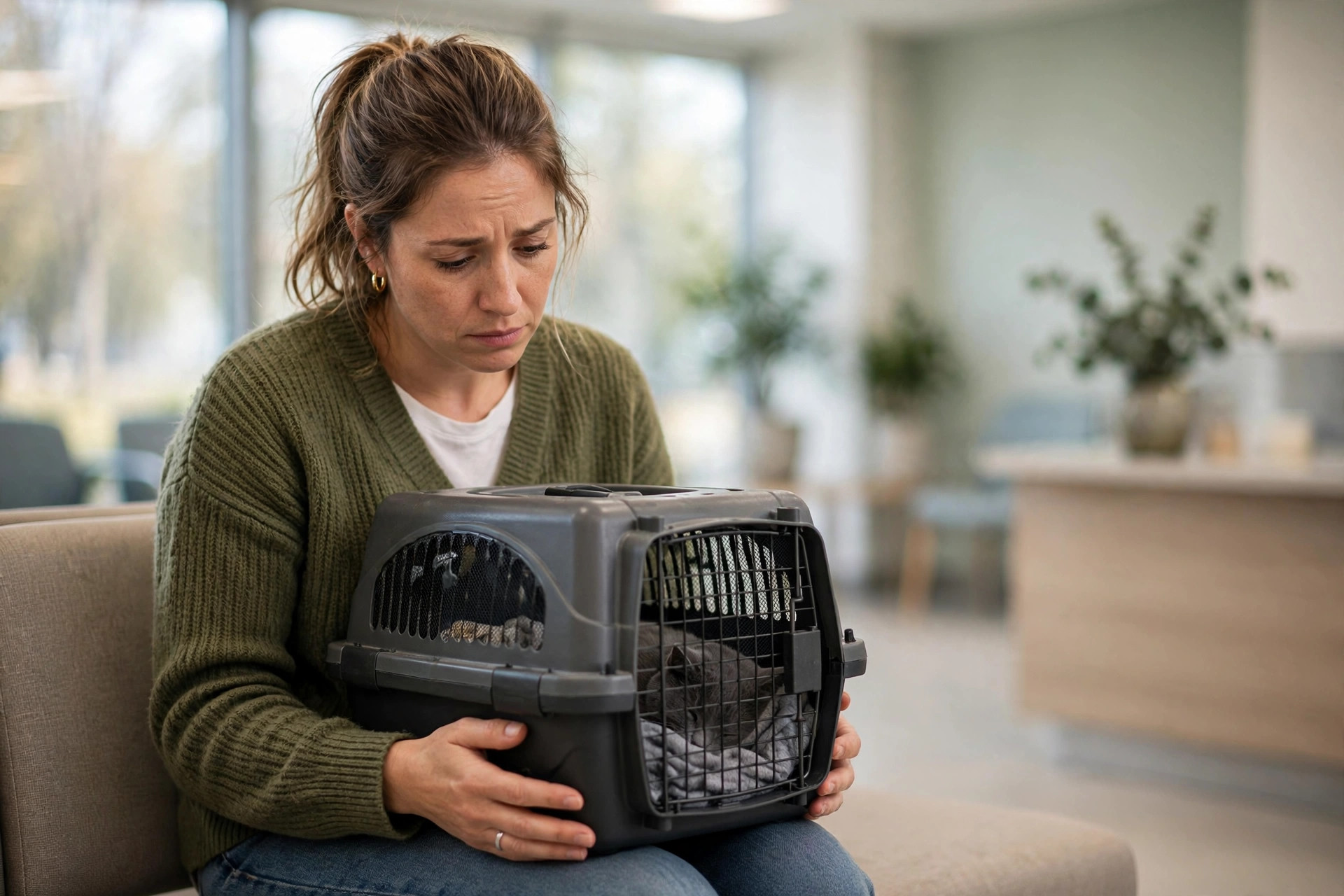
Worried owners do not wait on hold. The text-back answers at the speed of worry and sorts urgent from routine.
Message templates for common vet calls
Every clinic gets the same calls every day. Pre-written templates keep every reply consistent, warm, and safe, no matter who is covering the phones.
| Call type | First text-back | Next step |
|---|---|---|
| Sick pet | Hi, this is [Practice]. Sorry we missed your call. Is your pet sick or hurt right now, or is this a routine visit? | Urgent reply: immediate staff alert plus directions and hours. Never diagnose by text. |
| Vaccines or checkup | Hi, this is [Practice]. Sorry we missed you. Are you booking vaccines, an annual checkup, or a new pet visit? | Send the booking link with the right visit type pre-selected. |
| Prescription refill | Hi, this is [Practice]. Sorry we missed your call. Is this about a prescription refill? | Collect pet name and medication, confirm with the medical team, text when ready for pickup. |
| New client inquiry | Hi, this is [Practice]. Thanks for calling. Are you looking for a new vet for your pet? | Ask species and age, send new-client booking link plus any first-visit offer. |
| Price question | Hi, this is [Practice]. Sorry we missed you. Happy to help with pricing, what visit or service are you asking about? | Quote standard exam and vaccine prices, book the visit, note that treatment plans vary by pet. |
| After-hours caller | Hi, this is [Practice]. We are closed right now. If your pet needs emergency care tonight, [emergency clinic name and number]. Otherwise, what can we help with? | Non-urgent: booking link for the next open day. Urgent: direct to emergency care clearly. |
Plugging into practice management reminders
The text-back should not live in a separate universe from the rest of your client communication. Most practices already send vaccine due reminders, annual checkup recalls, and post-visit follow-ups through their practice management software or a reminder service. The missed-call texts should feed the same contact record, so the conversation history is continuous: the reminder that brought them in, the text that booked the visit, and the follow-up after it all sit in one thread.
The highest-value connection is the unbooked appointment follow-up. When a text conversation ends without a booking, the system should follow up automatically: next day for sick-pet inquiries that went quiet (a genuine welfare check that also recovers the visit), three days later for routine bookings with the booking link again, and a final graceful close at day seven. Practices that add this follow-up routinely recover a meaningful share of inquiries that would otherwise have vanished. It also plugs the gap between reminder systems and reality: the client who got the vaccine reminder, called to book, hit the hold queue, and gave up is now caught by the text-back instead of lost. If you use an AI chat on your website too, keep the tone and answers consistent between the two, as covered in our AI chatbot for veterinary clinics guide.

Routine bookings complete by text without tying up the front desk, leaving staff free for urgent calls and the lobby.
The economics for a vet practice
Text-back pricing for clinics is the same modest band as other local businesses: $50 to $150 a month standalone, often bundled into a veterinary CRM or communication platform at $100 to $300 a month. The revenue side is strong because vet visits are high value and clients are loyal. A routine exam plus vaccines commonly runs $150 to $300, a new puppy series several hundred more, and a recovered sick-pet visit can run well above that. A practice that recovers even a handful of missed inquiries a month covers the cost many times over, and the lifetime value of a retained client makes the real return much larger than any single visit.
Your rollout checklist
Build it with your lead vet, then let it run.
- 1Connect the text-back to your main clinic number. Every unanswered call triggers a text within a minute, including lunch hours and Saturdays.
- 2Write the triage opener with your lead veterinarian. The sick-versus-routine sorting question, reviewed for safety, with ambiguous replies treated as urgent.
- 3Build the urgent escalation path. Instant staff alert with caller details, a two-minute response target, and clear after-hours emergency directions.
- 4Load the six call templates. Sick pet, vaccines or checkup, refill, new client, price question, and after-hours, each with its next step.
- 5Connect your booking link. Routine inquiries get the online scheduler with the right visit type pre-selected, straight in the text thread.
- 6Tie texts to the client record. Every conversation lands in the practice management contact history alongside reminders and recalls.
- 7Set the unbooked follow-up sequence. Next-day welfare check for sick-pet inquiries, day-three booking nudge for routine, day-seven graceful close.
- 8Review triage wording twice a year. Medicine, hours, and emergency referrals change. The templates must stay current and conservative.
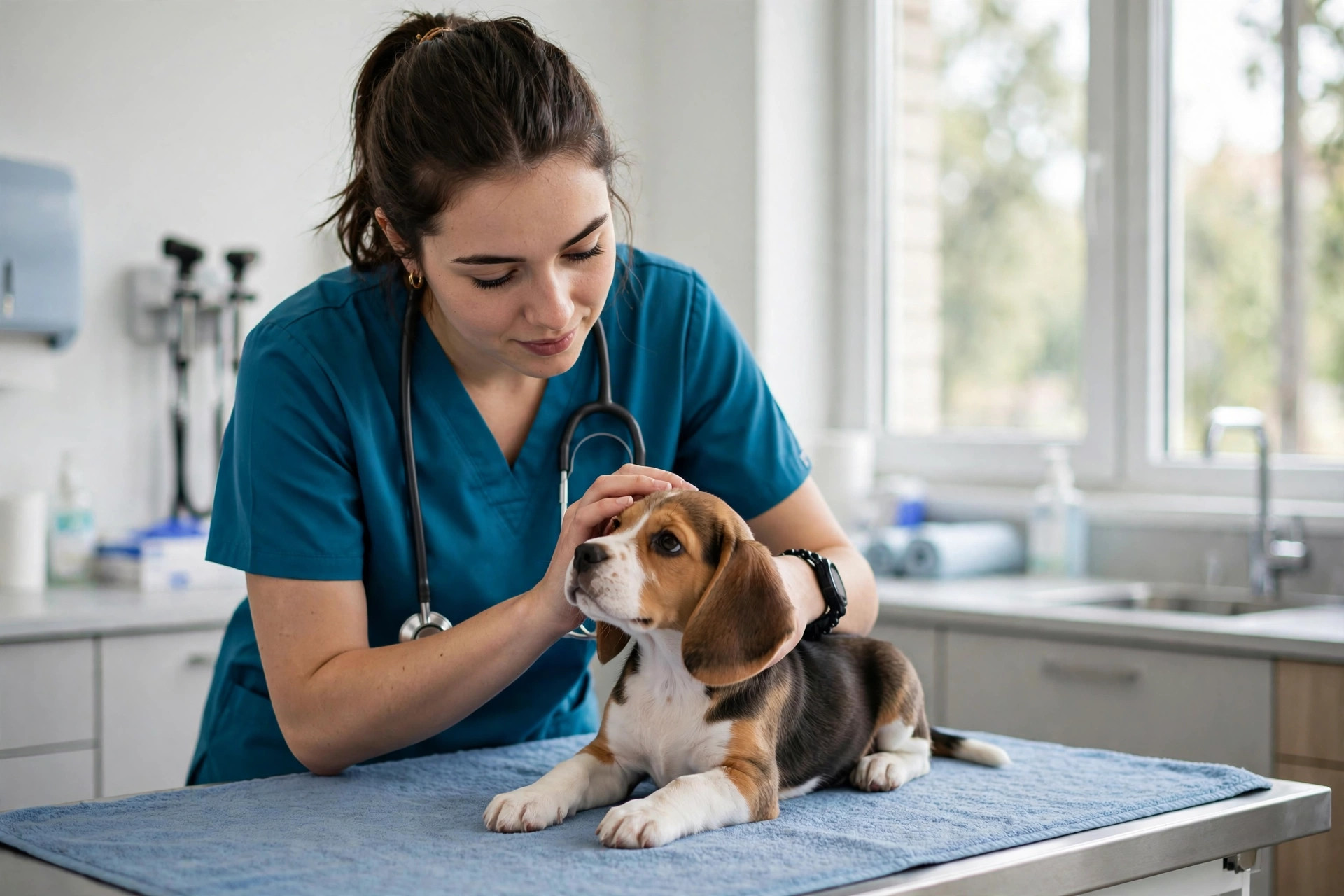
Every recovered call is a pet that got care and an owner who will remember how easy it was to reach you.
Frequently asked questions
What is missed-call text-back for a veterinary clinic?
It is an automatic text sent within about a minute of any unanswered call. It asks whether the pet is sick or the call is routine, escalates urgent cases to staff immediately, and sends booking links for routine visits, so no caller is lost to hold music or voicemail.
Is it safe to triage pet health concerns by text?
The system does not diagnose or give medical advice. It only sorts: sick or hurt right now goes straight to a trained staff member, everything else goes to booking. Ambiguous replies are treated as urgent. Have your lead veterinarian review the wording.
How much does it cost?
Typically $50 to $150 a month standalone, or bundled into a vet communication platform at $100 to $300 a month. Against visits worth $150 to $400 each, recovering a few missed inquiries a month covers the cost many times over.
Will it work with our practice management software?
Good setups log every text conversation against the client record and share the same contact data as your vaccine and checkup reminders. Confirm the integration with your specific system before you commit.
What about after-hours emergency calls?
The after-hours template names your emergency referral clinic with its phone number for true emergencies, and offers a booking link for everything else. Never leave an after-hours caller guessing where to go.
Can routine appointments really book by text?
Yes. Vaccines, checkups, nail trims, and refills are simple transactions that most owners prefer to handle by text. The booking link with the right visit type pre-selected removes the last bit of friction.
How do we follow up on inquiries that do not book?
Automate it: a next-day check for sick-pet inquiries, a day-three booking nudge for routine visits, and a graceful close at day seven. Tag recovered visits in your system so you can measure the real return.
Keep every worried pet owner
Digital Hayder builds missed-call text-back systems for veterinary clinics: instant triage between urgent and routine, safe pre-written templates, booking links by text, and follow-up that plugs into your practice reminders. Tell us about your clinic and we will set up the system around your team, your hours, and your standard of care.
Contact Us