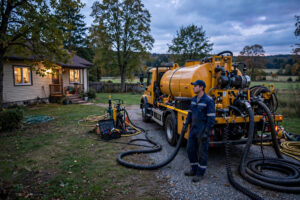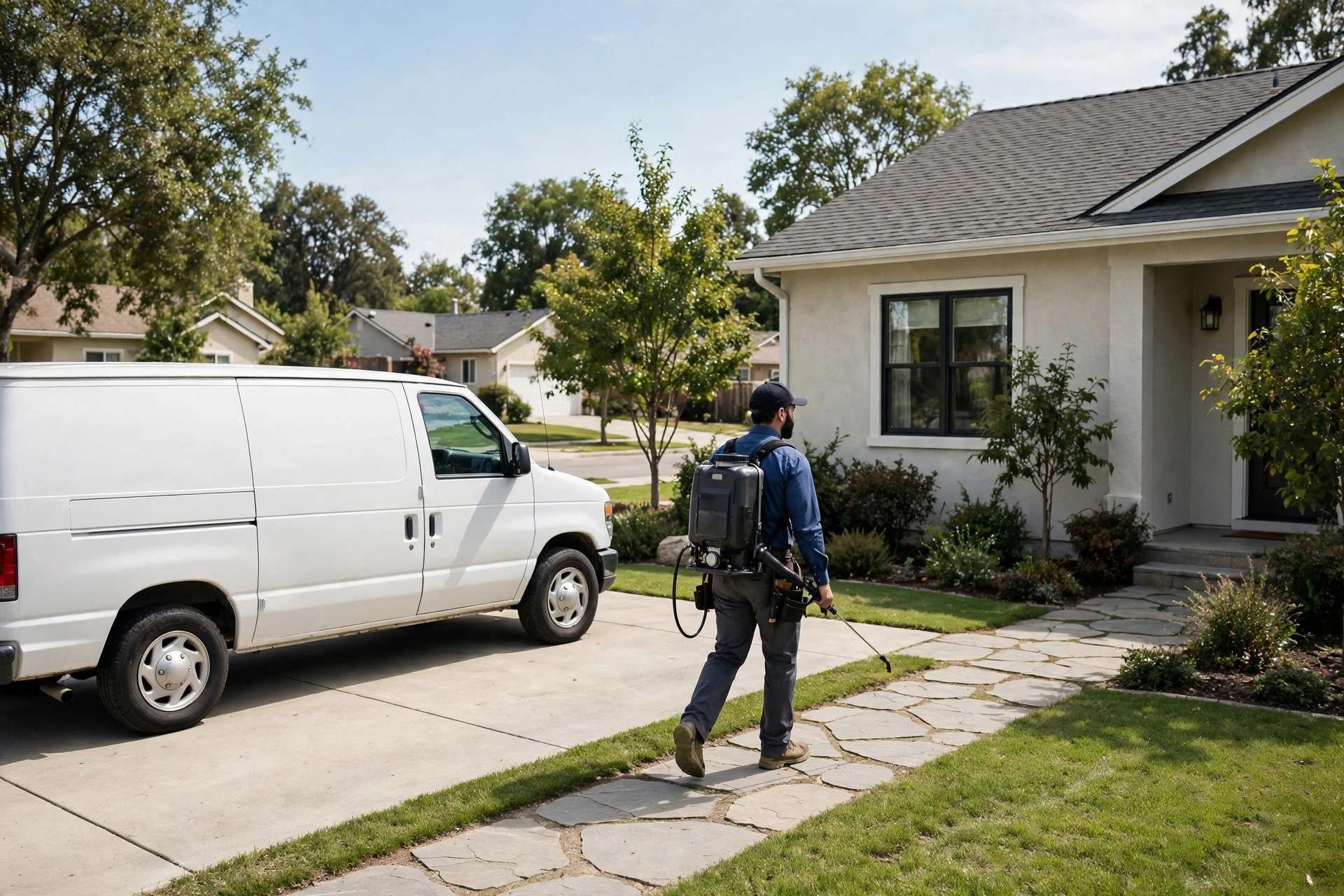
A wasp nest on the back porch. Bed bugs in a guest room the night before visitors arrive. A restaurant manager who finds droppings in the storage room an hour before opening. Pest control calls are urgent by nature, and the person calling is already stressed. If your phone goes to voicemail, they do not calm down and wait. They call the next company on the list. An AI answering service for pest control companies answers every call around the clock, triages emergencies from routine work, books inspections into your schedule, syncs the details with tools like PestPac, and keeps your techs working instead of playing phone tag. This guide covers the features that matter, the costs to expect, and how to set it up for a pest control operation.
The quick answer
- What it does: 24/7 call answering, emergency triage (wasps, bed bugs, rodents), inspection booking, rescheduling, and call logging that syncs with your software.
- Typical cost: roughly $200 to $450 a month for a single-crew company; $400 to $900 with software integration and outbound follow-up.
- Biggest wins: catching emergency calls after hours and during seasonal spikes, when call volume can triple in a week.
- The math: a single bed bug job averages $300 to $600, and one saved emergency call a week covers the system several times over.
- Seasonal reality: spring and summer bring wasp, ant, and mosquito surges; a human dispatcher cannot scale up and down with the season, an AI agent can.
- Setup time: one to three weeks, including triage rules, service-area maps, and software connections.
The phone problem in pest control
Pest control is a phone-first business. People rarely book a pest service through a website form when something is crawling in their kitchen. They call. And they call at the worst times: evenings, weekends, holidays, and the first warm week of spring when every ant hill in town wakes up at once.
Most small pest control companies have one to three office staff, or none at all, with the owner handling phones between jobs. When your techs are on roofs or under houses, nobody is answering. The data across home services is consistent: the majority of unanswered calls never leave a voicemail. They become your competitor’s booking. In pest control the stakes are higher than in most trades, because the call is emotional. A homeowner who finds a wasp nest by the kids’ playset wants to hear a calm voice now, not a callback tomorrow.
The second problem is seasonality. Call volume in pest control is not a steady line; it is a roller coaster. One warm weekend can triple your inbound calls. Hiring a full-time dispatcher for the peak means paying for idle hours in winter. Staffing for the quiet months means chaos in June. A fixed answering service or a single office hire cannot stretch and shrink with the season. An AI agent handles the surge at no extra cost per call.
What an AI answering service does for a pest control company
An AI answering service is a voice agent configured for how pest control calls actually work: fast triage, clear service areas, and booking into real schedules. Here is the day-to-day work it takes off your team.
Triage emergencies from routine work
Not every pest call is equal, and the agent knows the difference. Wasps near a front door, bed bugs found the night before a hotel inspection, rodents in a commercial kitchen: these get flagged as urgent, booked into the earliest available emergency slot, or patched through to the on-call tech immediately. A routine quarterly service question, a billing question, or a one-time spider spray for next month gets booked normally. Triage rules are set by you, in plain language, and the agent follows them on every call at 2am exactly the way it does at 2pm.
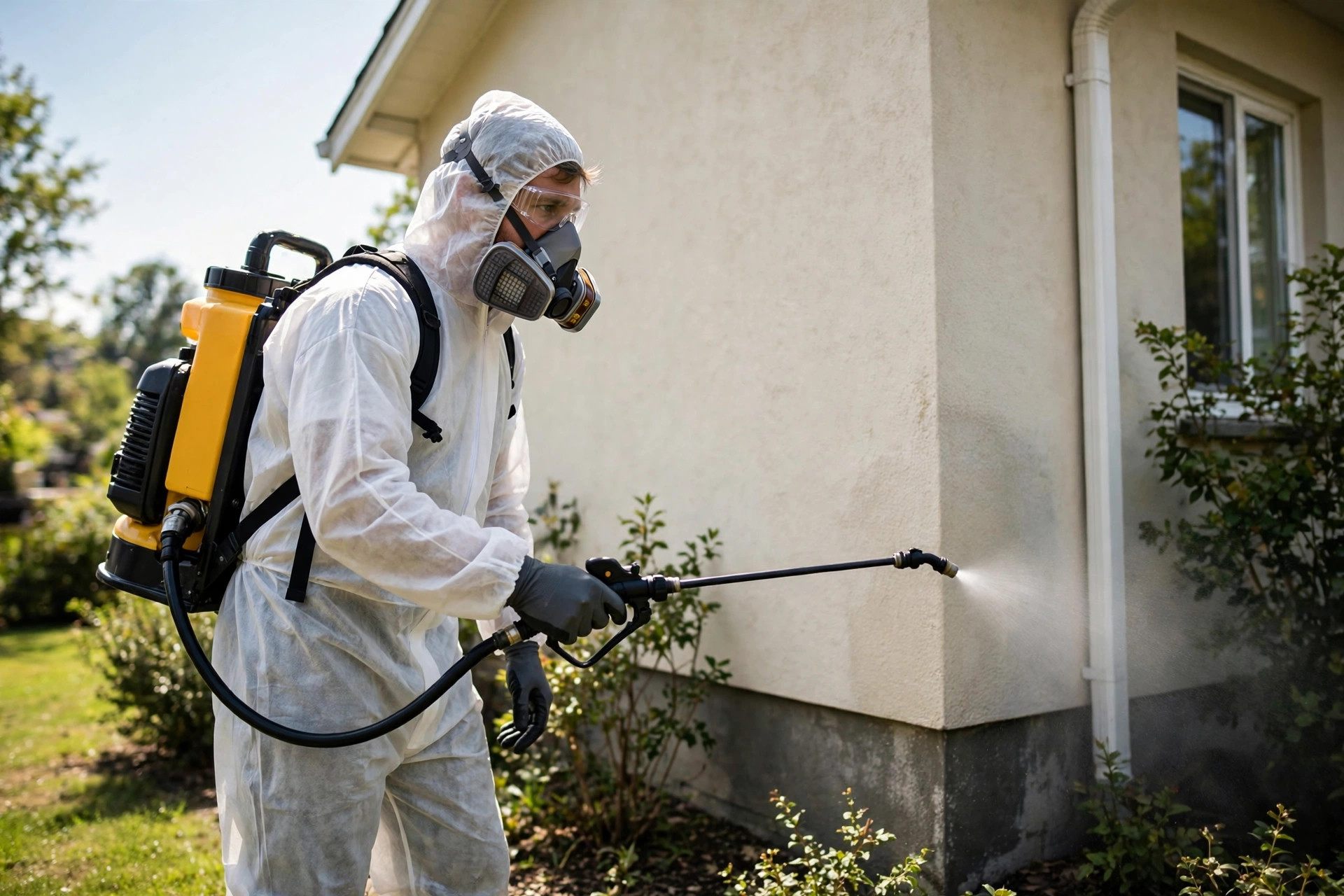
Emergency calls get flagged and booked fast. Routine work gets scheduled without tying up your office.
Books inspections and treatments into your schedule
The agent books inspections and first treatments into your real calendar, with the rules you set: which days each tech covers which zones, buffer times between jobs, and emergency slots you keep protected. It collects the address, the pest, where it was seen, and any safety notes (pets, allergies, gate codes), then books the visit and sends the confirmation text. A caller who would have gone to voicemail leaves with a confirmed appointment.
Handles the seasonal surge without extra staff
Spring and summer bring the rush: wasps, ants, mosquitoes, fleas, and the annual termite swarm season. An AI agent takes ten simultaneous calls as easily as one, so the surge that used to bury your office gets answered call by call. When October comes and volume drops, you are not paying a dispatcher to sit idle. You pay the same monthly rate year round, and the system scales with the weather instead of against your payroll.
Syncs every call with PestPac and your CRM
Call details should land where your office already works. For companies running PestPac or similar field-service software, the agent logs the call, the service address, the pest, and the booked appointment so your dispatcher sees it without retyping anything. New callers become new customer records with the intake notes attached. Existing customers get recognized by number and greeted by name. The same integration thinking works across trades; see our guides on AI answering services for plumbers and AI answering services for electricians.
Reschedules and confirms without phone tag
Your techs run late. Customers are not home. Rain cancels exterior work. The agent calls or texts to confirm appointments the day before, and when a job needs to move, it finds the next open slot and rebooks without a back-and-forth. Fewer no-access visits means your techs stop driving across town to locked gates, which is pure recovered revenue in a business where windshield time is the biggest cost.
Follows up on one-time jobs to sell recurring plans
The most profitable pest control revenue is recurring: quarterly plans, monthly commercial accounts, annual termite renewals. The agent follows up on one-time jobs a few days later with a check-in and a quote for a recurring plan. Even a modest conversion rate on one-time work builds the kind of steady revenue that makes winter survivable. This is the same follow-up engine described in our guide to AI phone agents for home services.
Features that matter for pest control specifically
A generic answering service takes a message. A pest control answering service needs to do more. When you evaluate options, check for these:
- Pest-type triage: the agent should distinguish wasps, bed bugs, rodents, termites, and wildlife, and treat each according to your urgency rules. A termite call and a wasp call should not get the same response.
- Service-area checks: the agent confirms the address is inside your service area before booking, so your techs never drive an hour to a job you cannot take.
- Safety questions: pets in the home, chemical sensitivities, gate codes, and access notes should be collected on every booking. Techs who arrive prepared work faster and safer.
- Commercial vs residential routing: a restaurant with a health inspection in two days needs a different response than a homeowner with ants. The agent should route commercial calls to whoever handles those accounts.
- Simultaneous-call capacity: during a swarm-season surge, five callers may ring at once. The agent should handle them all without busy signals.
- After-hours on-call escalation: true emergencies should reach the on-call tech by phone or text instantly, with the caller’s details attached.
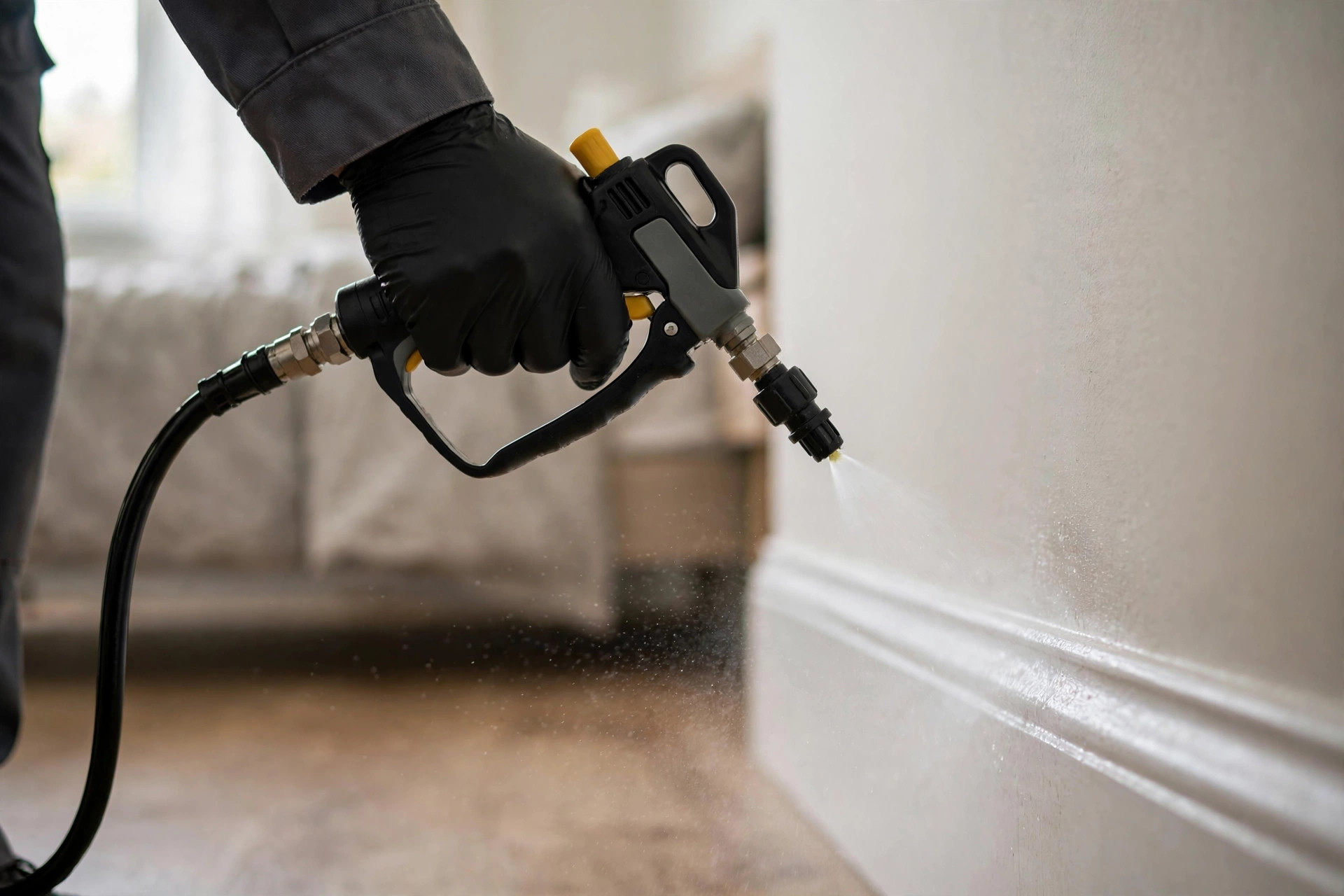
Every booking arrives with the details your techs need: pest, location, pets, and access notes.
What an AI answering service costs a pest control company
Pest control pricing sits in the standard tier of voice AI for home services, with software integration as the main price driver. Typical all-in market ranges:
| Setup | Typical cost | What you get |
|---|---|---|
| Single-crew company, answering + booking | $200 to $450/mo | 24/7 call answering, emergency triage, inspection booking, confirmations |
| With PestPac or CRM integration | $300 to $600/mo | Everything above plus automatic call logging and customer record creation |
| With recurring-plan follow-up | $400 to $900/mo | Everything above plus outbound follow-up on one-time jobs and renewal reminders |
| Multi-crew operation, 5 to 10 techs | $600 to $1,200/mo | Per-route scheduling, zone-based booking rules, central reporting |
Setup fees typically run $0 to $500 for standard configurations, with software integration work adding $500 to $1,500 one-time. All figures are typical market ranges. For the full pricing picture, see our guide on how much an AI voice agent costs.
When your techs are under houses and on roofs, the phones still get answered.
Rolling it out in your pest control company
The rollout order that keeps risk low during your busiest season:
- 1Write your triage rules. List your pests in order of urgency: wasps and bed bugs at the top, routine quarterly work at the bottom. Define what counts as a true emergency and who it escalates to after hours.
- 2Map your service area and routes. Zip codes you serve, zones per tech, buffer times, and the days each crew covers. The agent books correctly only if this map is correct.
- 3Connect PestPac or your CRM. Set up call logging and customer record creation before the first live call, then test a booking end to end and confirm it lands in the right place.
- 4Start with after-hours and overflow. Let the agent cover nights, weekends, and calls your office cannot pick up within a few rings. Your team keeps daytime calls while everyone watches it work.
- 5Add confirmations and rescheduling. Once booking is solid, switch on the day-before confirmations. Track your no-access rate before and after; it should drop fast.
- 6Launch recurring-plan follow-up. Feed the agent your one-time job list in small batches. Measure the conversion rate to recurring plans, then expand.
Mistakes pest control companies make with answering services
The most common failure is skipping the triage rules in step one. A wasp call and a termite call need different responses, and guessing produces emergency slots wasted on routine work while real emergencies wait. The second mistake is a wrong or outdated service-area map: techs get booked into zones they cannot reach, and the schedule falls apart in a day. The third is letting the agent quote pesticide specifics or safety claims it cannot back up: collect the details, and let licensed techs handle the technical talk. The fourth is never measuring: track answered-call rate, booked inspections, no-access rate, and recurring-plan conversions monthly against the months before the agent. If the numbers move, keep going. If they do not, the configuration needs work, not the concept. Finally, do not go live in the first week of swarm season without a test run. Edge cases find you at the worst times.
Frequently asked questions
How much does an AI answering service cost for a pest control company?
Typical pricing runs $200 to $450 a month for a single-crew company with answering, triage, and booking; $300 to $600 a month with PestPac or CRM integration; and $600 to $1,200 a month for multi-crew operations. Setup fees are usually $0 to $500.
Can it tell the difference between an emergency and a routine call?
Yes. You define the triage rules: wasps, bed bugs, and rodents in food businesses get flagged as urgent and routed or booked into emergency slots, while routine quarterly work and billing questions get booked normally. The rules apply the same way at 2am as at 2pm.
Does it work with PestPac?
Most setups integrate with PestPac and similar field-service software, logging calls, creating customer records, and recording booked appointments automatically. Confirm your specific software and test a booking end to end during the trial.
What happens during the seasonal surge?
The agent handles many simultaneous calls without busy signals, so the spring and summer rush gets answered call by call instead of burying your office. You pay the same monthly rate year round, which beats paying a dispatcher to sit idle in winter.
Will it quote pesticide prices or safety claims?
It should not. The agent collects the pest details, books the inspection, and leaves pricing and technical advice to your licensed techs. Write that boundary into the script and review early call recordings to confirm it holds.
Catch every emergency call, even in swarm season
Digital Hayder builds AI answering services for pest control companies: 24/7 call answering, emergency triage, inspection booking, confirmations, and integration with your field-service software. Tell us about your call volume and your peak season, and we will show you what every answered call is worth.
Contact Us