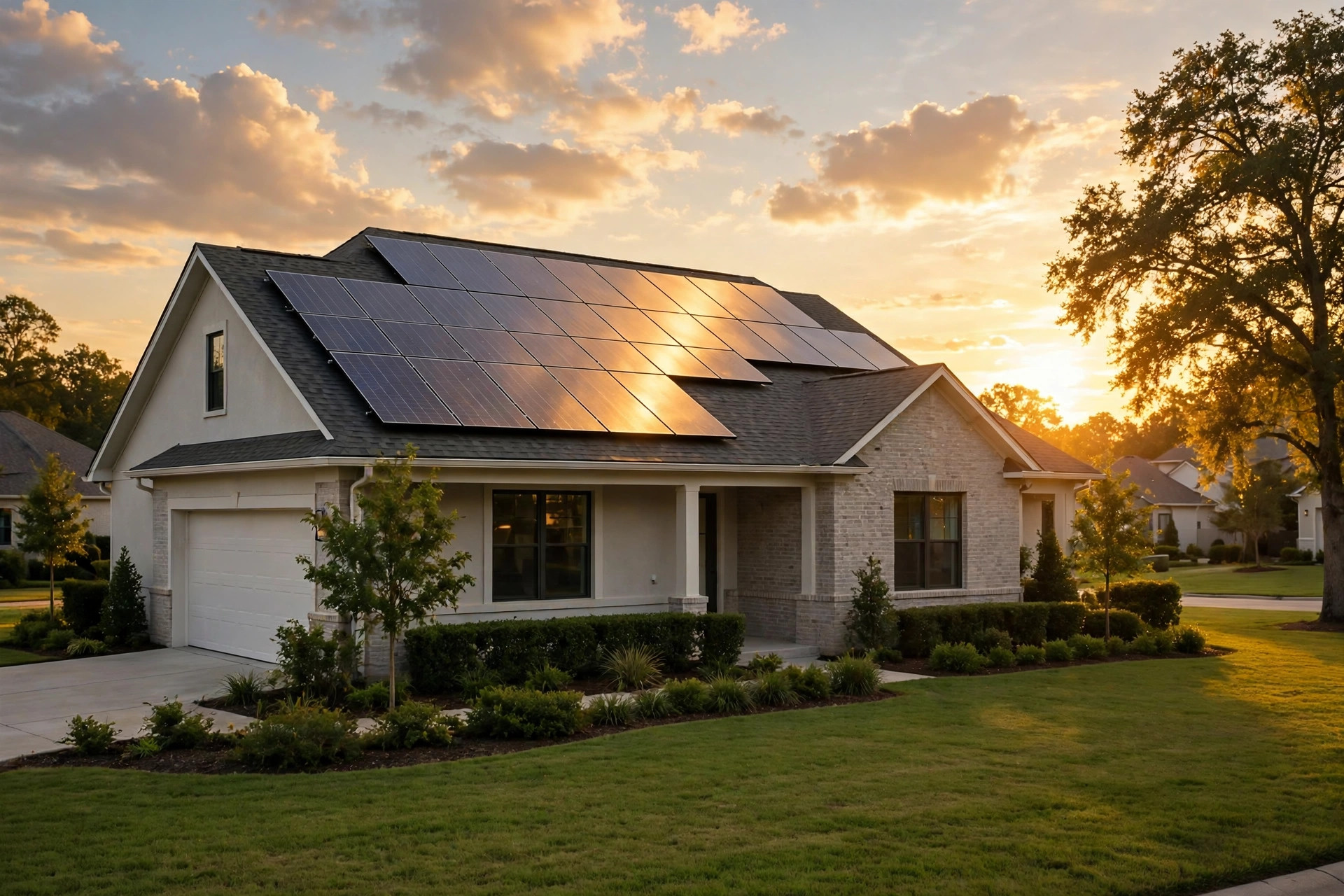
A homeowner does not buy solar the way they buy a pizza. The average residential solar purchase takes three to nine months from first click to signed contract, and the average system costs somewhere between $15,000 and $25,000 before incentives. That long, expensive decision changes everything about how a solar company should market itself. Generic ads that push for an instant quote produce expensive leads that go cold. The solar companies that grow steadily do something different: they earn contact details with a savings calculator, stay in touch through months of automated follow-up, turn happy customers into a referral engine, and ask for reviews at the exact moment the customer is most excited. This guide breaks down each of those plays with real numbers, step-by-step instructions, and the mistakes that waste marketing budgets in this industry.
The quick answer
- The best lead magnet: an interactive savings calculator that estimates monthly and 25-year savings from the homeowner’s bill and roof details, exchanged for a name, email, and phone number.
- Cost reality: solar leads typically cost $30 to $120 each depending on the channel, and only 2 to 5 percent become installs, so nurture and follow-up decide profitability more than ad creative does.
- Referrals convert best: referred homeowners close at 3 to 5 times the rate of cold leads, which makes post-install referral programs the highest-return marketing most solar companies run.
- Review timing: ask for the Google review in the first two weeks after installation or after the first low bill arrives, when excitement is at its peak.
- Sales cycle rule: assume three to nine months from first contact to contract, and build a nurture sequence that long, with education and reminders, not just repeated sales pitches.
- Seasonal rhythm: demand spikes in spring and summer and whenever local utility rates rise; budget and content should peak ahead of those moments, not during them.
Why solar marketing is a different game
Most home-service marketing is built around urgent, low-consideration jobs. A broken water heater gets replaced this week. A clogged drain gets cleared today. Solar sits at the opposite end of the spectrum. It is a five-figure purchase that most homeowners research for months, discuss with a spouse, compare quotes on, and often delay for a season or two. Marketing that treats a solar lead like a plumbing lead will burn money: you pay for the click, someone fills out a form, and then your sales team chases a person who was only at step one of a ten-step decision.
The numbers make this visible. Solar lead costs on paid search commonly run $50 to $120 per lead in competitive markets, with social media leads cheaper at $30 to $70 but converting at lower rates. If your close rate from raw lead to install is 3 percent, a $70 lead costs you about $2,300 per installed system in marketing spend. That can still work on a $20,000 job with healthy margins, but it falls apart if you let half those leads go cold because nobody followed up after week two. Companies that treat the first 90 days of follow-up as part of the product consistently report closing rates two to three times higher than companies that call three times and move on.
The other structural fact is trust. Solar has a real trust problem in many markets: aggressive door-to-door sales, inflated savings claims, and companies that vanished before finishing installs have made homeowners cautious. Every piece of your marketing should be designed to lower the homeowner’s guard. Concrete numbers beat vague promises. A neighbor’s referral beats an ad. A review with a photo of an actual installed system beats five stars with no text. Keep that trust-first lens on everything below.
Map the buyer journey before spending a dollar
The solar buyer journey usually has four stages, and your marketing needs different content for each. Stage one is curiosity: the homeowner sees a neighbor’s panels or a high electric bill and wonders if solar could work for them. They want a rough savings number, not a sales call. Stage two is research: they compare companies, read reviews, and check whether their roof qualifies. Stage three is quotes: they invite two or three companies for site surveys and compare proposals. Stage four is financing and paperwork: incentives, loans, permits, and install scheduling. Marketing that only targets stage three, the “get a quote” moment, competes in the most expensive auction for the fewest leads. Marketing that wins stage one and two captures people cheaply and nurtures them into stage three, which is where the real economics of solar marketing live.
The savings calculator: your highest-return lead magnet
Ask a solar sales rep what question every homeowner asks first and you will hear the same answer: “How much would I save?” The savings calculator turns that question into your best marketing asset. A good calculator asks for the monthly electric bill, the address or zip code, and maybe the roof direction, then shows an estimated monthly savings range, estimated 25-year savings, and a simple visual of the payback timeline. The estimate gets exchanged for contact details, and the contact details go straight into your nurture sequence. Because the homeowner requested a personal number, they expect follow-up, which makes these leads warmer than almost any other kind.
The calculator works because it delivers value before asking for anything serious. A homeowner who types in a $180 monthly bill and sees $35,000 to $55,000 in estimated 25-year savings has a concrete, personal number attached to solar. That number does more persuasion than any ad headline. And the data the calculator collects is gold for your sales team: the bill amount tells them the deal size, the address tells them the roof situation, and the fact that the homeowner played with the numbers tells them the intent level.
What a converting calculator includes
Keep the input side short. Every extra field drops completion rates. Monthly electric bill, zip code, and homeowner status (own or rent) are the essentials. A fourth question about roof shading or age is optional and should be a simple multiple choice, never a text field. On the output side, show three numbers prominently: estimated monthly savings, estimated first-year savings, and estimated 25-year savings. Add one honest line noting the estimate assumes typical sun exposure and current rates, with a precise quote available after a site survey. Then gate the full personalized report, not the headline numbers. Show the headline estimate on screen, and offer the detailed breakdown (system size, panel count, payback timeline) by email in exchange for a phone number. That two-step exchange feels fair instead of grabby.
Getting the calculator in front of homeowners
The calculator earns its keep when it is embedded everywhere a curious homeowner might land: the homepage hero, a dedicated landing page you send ad traffic to, blog posts about electricity costs, and social media posts with a clear call to action. Paid search ads for terms like “how much does solar save” and “solar savings calculator” tend to cost less per click than “solar installers near me” because the intent is educational, yet the visitor converts into a lead at a high rate once the calculator is good. On social, short video clips showing the calculator in action, with a real bill number turning into a real savings number, outperform static ads because they demonstrate the value exchange in ten seconds. For a look at how landing pages turn that traffic into form fills, see our guide to landing page conversion rate optimization.
One caution: never present the estimate as a guarantee. Savings depend on actual usage, rate changes, roof specifics, and system design. Show ranges, not single numbers, and keep the disclaimer visible. Overstated savings that collapse during the site survey are one of the fastest ways to destroy trust and generate negative reviews, and the review will always say “they lied about the savings.”
Calculator leads arrive pre-educated: they have seen a savings number and expect a conversation, not a cold pitch.
Referral programs that turn installs into a growth engine
Ask any established solar company where their cheapest closed deals come from and most will say referrals. The math is straightforward. A referred homeowner has already seen panels on a neighbor’s roof, heard the savings number in casual conversation, and trusts the recommendation. Those leads close at multiples of cold-lead rates, and they cost you nothing but the referral reward. Yet many solar companies run referral programs as an afterthought: a mention in the welcome packet and a page buried on the website. The companies that grow through referrals treat the program as a product with its own launch, reminders, and payouts.
The structure that works best is simple and two-sided. Offer the referring customer a meaningful reward, commonly $250 to $500 per installed referral, and offer the referred homeowner a smaller discount or credit, like $250 off their system. Two-sided rewards work better than one-sided ones because the customer feels good giving their friend a deal, not just collecting a bounty. Pay promptly after the referral’s install is complete and tell the referrer the status at each step: “Your friend Mike’s install is scheduled,” “Mike’s system went live today, your $400 is on the way.” That status loop turns one referral into three, because the referrer stays engaged with the program for months.
Timing matters as much as the reward. Do not ask for referrals at contract signing, when the customer is nervous about a big purchase. Ask in the two weeks after the install crew leaves, when they are showing the panels to neighbors and posting photos. Ask again when the first reduced electric bill arrives, which is the single highest-excitement moment in the whole customer lifecycle. And ask a third time at the one-year mark with a reminder of how much they have saved so far. Three well-timed asks will outperform a permanent banner on your website every time.
Where solar leads actually come from, compared honestly
Every channel has a different cost, speed, and close rate. The table below gives typical ranges so you can budget with eyes open. Your market will vary, but the relative order usually holds: paid search is fast and expensive, social is cheap and slow to close, referrals are the best deals you will ever get.
| Channel | Typical cost per lead | Lead-to-install close rate | Best for |
|---|---|---|---|
| Google Ads, high-intent terms | $50 to $120 | 3 to 6 percent | Homeowners already shopping for quotes; fastest pipeline fill |
| Facebook and Instagram ads | $30 to $70 | 1 to 3 percent | Calculator lead magnets; building a nurture list cheaply |
| Customer referrals | $250 to $500 per installed referral | 10 to 20 percent | The cheapest closed deals; scale with program quality |
| Door-to-door canvassing | $40 to $80 per set appointment | 2 to 4 percent | Dense neighborhoods with visible installs; brand presence |
| SEO and content | Time investment, then near zero | 4 to 8 percent | Long-term pipeline; homeowners deep in research |
| Home shows and events | $30 to $60 per lead | 2 to 5 percent | Face-to-face trust building; demo the calculator live |
| Partnerships, roofers and realtors | Revenue share or flat fee | 5 to 10 percent | Roof replacements and new home purchases; warm handoffs |
A healthy solar company runs three or four of these at once and measures cost per install, not cost per lead. A channel that produces $40 leads that never close is more expensive than a channel that produces $120 leads that close at 6 percent. Build a simple monthly report with three columns per channel: spend, leads, installs. The channel with the lowest cost per install gets more budget next month. That is the whole strategy. For a related take on balancing paid and organic channels in another home-service niche, see our HVAC marketing ideas guide.
Seasonal and rate-spike campaigns
Solar demand follows the sun and the news. Spring is the strongest season in most markets: days get longer, install crews can work comfortably, and homeowners think about summer electric bills. Demand typically stays strong through summer and softens in late fall and winter. The mistake is spending evenly all year. Shift 60 to 70 percent of your paid budget into the spring and summer window, and use the quiet months for content, referrals, and nurture, not for expensive cold acquisition.
The bigger spikes come from utility rate news. When a local utility announces a rate increase, solar search volume in that service area jumps within days. Homeowners who were on the fence suddenly have a deadline in their head. The companies that win these moments have campaign templates ready: an email to the nurture list about the rate change with a link to the calculator, a social ad with the new rate number, and a blog post explaining what the increase means for a typical bill. Speed matters more than polish. A simple post published within 48 hours of the rate announcement will outperform a polished campaign that arrives a month later.
Storm seasons create a second, different spike. After major outages, interest in solar plus battery storage surges. If your market gets hurricanes, ice storms, or wildfire-related shutoffs, keep a battery-storage angle ready with messaging about backup power. The emotional driver here is protection, not savings, so the creative should show a home with lights on during an outage rather than a savings chart.
What to run in the slow months
Winter is for building assets, not chasing expensive clicks. Publish the content you will need in spring: savings guides by utility territory, explainers on incentives and net metering, and customer story videos filmed at summer installs. Double down on the referral program while customers have time to talk. Run review campaigns, since installers have lighter schedules and can spend an extra five minutes on the review ask. And audit the whole funnel: landing page conversion rates, email open rates, call answer rates. A 20 percent improvement in landing page conversion, made in December, multiplies every dollar you spend in April.

The calculator exchange works because the homeowner gets a personal number first. The lead details feel like a fair trade.
Review capture at peak excitement
Reviews are the trust currency of solar, and timing decides how many you get. A homeowner asked for a review six months after install, when the panels are just part of the roof, will put it off and forget. The same homeowner asked in the two weeks after install, or right after opening a first electric bill that dropped from $190 to $14, will often write a detailed review the same day. Build the ask into your project timeline with two scheduled touches: one from the install crew lead on completion day, and one automated text when the first post-install bill period ends.
The crew-led ask is the stronger of the two. Train installers to say a simple line before they leave: “If you are happy with how this looks, a Google review helps us more than anything. I can text you the link right now.” Then actually text the link before leaving the driveway. Friction is the enemy of reviews, and the link arriving while the crew is still there removes it. Offer the crew a small bonus per review that mentions the company by name. It aligns their incentive with yours and costs very little.
The automated text is the backup net. When monitoring shows the system is producing, or at a fixed point like 45 days after install, send a short message: “Your system has been running for six weeks. Quick question: how is the bill looking? If you are happy, here is the review link.” The personal check-in first, review link second, sequence feels like customer care rather than a review grab. For the mechanics of review links, timing scripts, and responding to negative reviews, see our guide on how to get more Google reviews for an HVAC company. The playbook transfers directly to solar.
Photos matter enormously in solar reviews. Ask happy customers to include a photo of their installed panels in the review. A review with a photo of real panels on a real roof in your service area converts at a much higher rate than text alone, because it answers the homeowner’s silent question: “Do they actually do good work near me?” Make it easy by asking right after install, when the panels look their best and the customer is still taking photos themselves.
Nurture sequences for the long sales cycle
Here is where most solar marketing quietly fails. A company spends $70 on a lead, calls three times in the first week, and when the homeowner says “we are still thinking about it,” the lead goes into a dead spreadsheet. Six months later that homeowner signs with a competitor who kept emailing useful content. The fix is a nurture sequence designed for a three to nine month decision, built once and running automatically for every lead that is not ready to buy today.
The sequence should educate and build trust, not just repeat “ready for your quote?” A practical structure: in week one, send the calculator report, a short video walkthrough of a typical install, and answers to the five most common questions. In weeks two through four, send one piece a week: how incentives work in plain language, what a site survey actually involves, a customer story with real numbers, and a guide to comparing quotes. In months two through six, shift to monthly: seasonal reminders, rate-change news, new customer stories, and one clear call to action each time. Every email ends with two buttons: “Get my precise quote” and “Talk to a specialist.” The leads who are ready click. The ones who are not stay warm.
Text messages belong in this sequence too, used sparingly. Email educates; text reactivates. A monthly text with something genuinely new, a rate increase, a limited install-slot window, a new incentive deadline, pulls dormant leads back into conversation. Keep texts short, personal, and easy to reply to. A text that says “Hi Sarah, utility rates in your area just went up 8%. Want me to rerun your savings number?” will get replies. A text that says “Just checking in!” will get ignored.
Segment by stage, not just by time
Not every lead is at the same stage, so the sequence should branch. A lead who ran the calculator but never booked a survey gets education. A lead who had a survey but did not sign gets objection-handling content: financing explainers, roof-warranty answers, and comparisons with the objections your sales team hears most. A lead who signed gets install updates and the referral program pitch. This branching takes more setup, but it stops you from sending “ready for your quote?” to someone who already has one and “here is how quotes work” to someone choosing between two proposals. Your CRM should tag leads by stage and move them automatically as the sales team updates the deal.
The rollout checklist
Set these up in order. Each one feeds the next, so skipping ahead weakens the whole system:
- 1Build the savings calculator. Three inputs maximum on the front end, ranges not promises on the output, and the full report gated behind contact details.
- 2Write the nurture sequence. Eight to twelve emails and three to four texts covering six months, mapped to the four buyer stages, loaded into your CRM before you spend on ads.
- 3Launch the referral program. Two-sided rewards of $250 to $500, status updates at each step, and three timed asks: post-install, first low bill, and one-year anniversary.
- 4Script the review ask. Crew-led ask with a texted link on install day, automated follow-up text at 45 days, and a small crew bonus per review.
- 5Build rate-spike templates. Pre-written email, social ad, and blog post templates so you can publish within 48 hours of any utility rate announcement.
- 6Report on cost per install. Monthly, per channel: spend, leads, installs. Shift budget toward the lowest cost per install, not the lowest cost per lead.
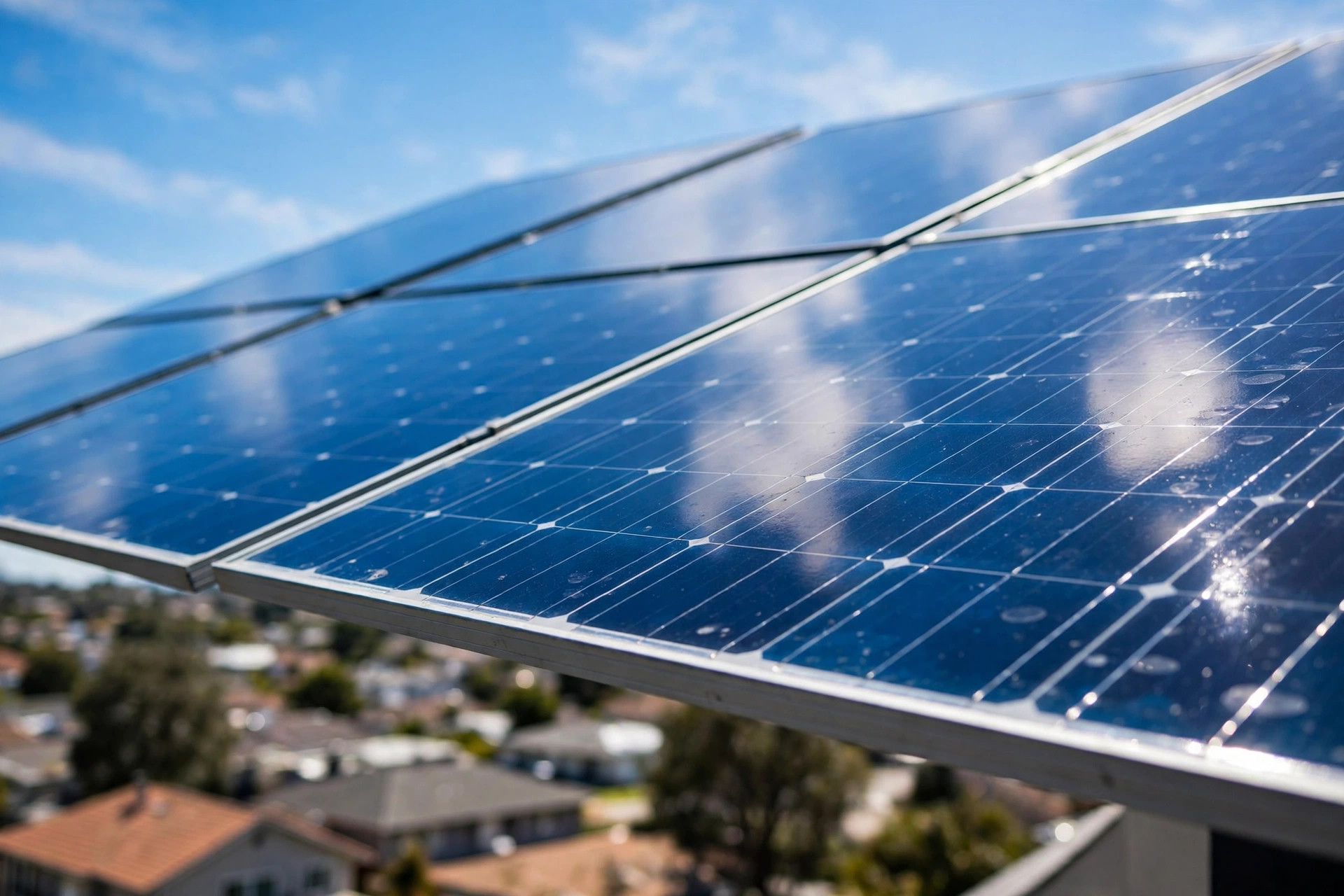
Visible installs sell the next ones. Every completed roof is both a customer and a billboard.
Mistakes that waste solar marketing budgets
The most expensive mistake is buying leads without a nurture system. A lead that costs $70 and gets three calls before going cold is money thrown away. The second is advertising only “free quotes,” which attracts price shoppers and teaches the market that your value is a number, not a system. Lead with savings education and let the quote come later. The third is inflated savings claims in ads and calculators. They inflate short-term lead volume and destroy close rates and reviews when reality arrives. The fourth is ignoring the service area. Solar economics change by utility territory, so national-style campaigns that ignore local rates and incentives underperform against content written for the actual zip codes you serve. The fifth is treating marketing as a faucet you turn on and off. Solar companies that pause everything in winter and restart in spring lose their nurture pipeline, their review momentum, and their referral rhythm. Spend less in winter, but never go to zero.
Frequently asked questions
How much should a solar company spend on marketing per install?
Healthy solar companies typically spend 5 to 10 percent of revenue on marketing, which works out to roughly $1,500 to $3,500 per installed residential system depending on system size and market competition. If your cost per install is climbing above that range, the fix is usually better follow-up and more referrals, not more ad spend.
What is the best lead source for solar companies?
Customer referrals consistently deliver the highest close rates at the lowest cost, followed by SEO content for research-stage homeowners. Paid search delivers the fastest volume but at the highest cost per lead. The best companies run all three and shift budget based on monthly cost-per-install reporting.
How long is the typical solar sales cycle?
Three to nine months from first contact to signed contract for residential systems. Homeowners research, compare multiple quotes, discuss financing, and often wait for a season or a rate change. Your nurture sequence should be built to run at least six months without repeating itself.
Should solar companies use door-to-door sales?
Door-to-door still works in dense neighborhoods with visible installs, and it builds local brand presence that digital ads cannot. It works best when paired with the calculator as a leave-behind and a referral ask in homes near recent installs. Track cost per set appointment honestly, since canvassing labor is the real cost.
What should a solar savings calculator include?
Three inputs: monthly electric bill, zip code, and own-or-rent status. Three outputs: estimated monthly savings, first-year savings, and 25-year savings shown as ranges. Gate the detailed report behind contact details, add a visible disclaimer that it is an estimate, and never present the number as guaranteed.
Get a marketing system built for long sales cycles
Digital Hayder builds lead generation systems for solar companies: savings calculators that convert, nurture sequences that run for months, referral programs customers actually use, and review capture timed to peak excitement. Tell us your service area and we will map the whole funnel before you spend a dollar on ads.
Contact Us