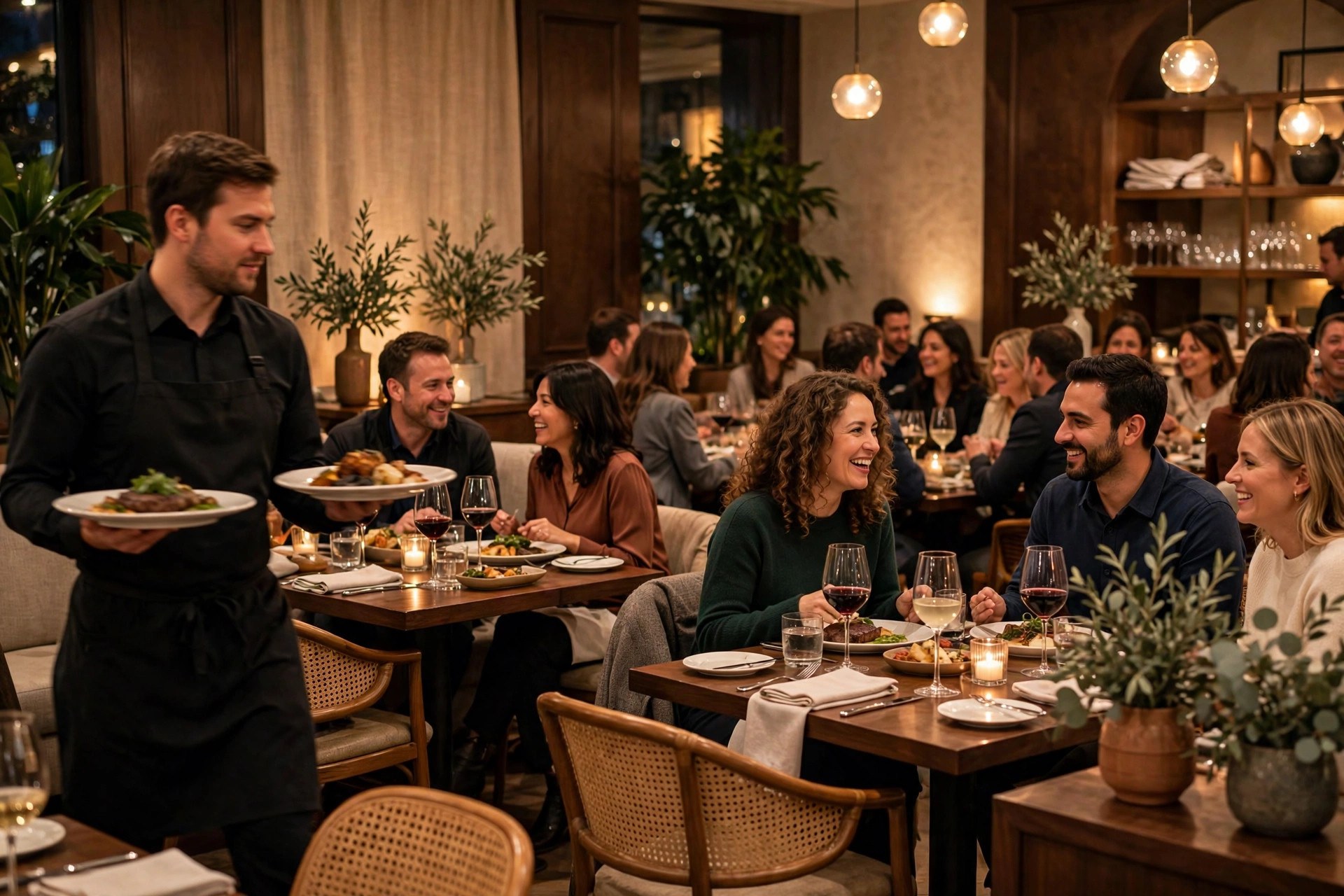
A restaurant has the most perishable product in local business: tonight’s empty tables cannot be sold tomorrow. Every Tuesday that the dining room sits half full, every no-show that leaves a four-top empty at 7:30, every regular who used to come weekly and now comes monthly is revenue that vanishes permanently. Restaurants spend on social media, delivery app commissions, and ads to find new guests while the guests they already have hear nothing. That is backwards. Your customer list is the cheapest, fastest way to fill tables, and text messages are how you reach it. Industry data widely reports SMS open rates near 98 percent, most read within minutes. Email reaches a fraction of that, social posts reach whoever the algorithm feels like showing them to, and a text about tonight’s chef special arrives while the guest is still deciding where to eat. This guide is the complete SMS marketing playbook for restaurants: reservation confirmations that kill no-shows, the VIP text club that brings regulars back every week, slow-night promos that turn dead Tuesdays into revenue, event texts, takeout reorders, review requests, and the compliance rules that keep it all legal.
The quick answer
- Texts get read fast: near-98 percent open rates, most within minutes. Nothing else reaches guests while they are still deciding dinner plans.
- Confirmations kill no-shows: a short text sequence before each reservation protects tables that are worth the full check average.
- The VIP club fills slow nights: a text list of regulars turns dead weeknights into revenue with one well-timed message.
- Consent is mandatory: guests must opt in clearly, every marketing text carries an opt-out, and quiet hours stay respected.
- Keep it useful, not spammy: reservation help, real offers, and events guests care about. Promotional blasts stay rare and genuinely good.
- Cost is tiny: most restaurant texting setups run $30 to $150 a month; one recovered slow night covers it.
Why texting fits restaurants better than almost any business
Restaurants run on timing. A guest decides dinner between 4 and 6 PM. A table sits empty at 7. A cancellation at 5:30 can still be filled if someone knows about it at 5:31. No other channel moves at the speed of a dining room. Social media posts might get seen tomorrow. Email might get opened Thursday. A text gets read now, while the decision is happening. That timing advantage stacks on top of the reach advantage: wireless industry data widely cited across marketing research puts SMS open rates near 98 percent, against email open rates that typically sit in the 20 to 30 percent range for local businesses. Then there is the nature of the product. Restaurant inventory perishes nightly, which makes texting’s immediacy uniquely valuable. A retail store can sell the shirt tomorrow. You cannot sell tonight’s table tomorrow. The restaurants winning with texting are not sending more messages than everyone else. They are sending the right message at the exact moment a guest can act on it: a confirmation the day before, a slow-night offer at 4 PM, a same-day cancellation fill at 5, a birthday note on the actual birthday. Speed plus timing plus a perishable product is why this channel was practically built for restaurants.
What guests want from restaurant texts
Guests want five things: confirmation that their reservation is real, an easy way to change it, first notice of things worth knowing, real offers on nights they might come anyway, and quick answers when they text you. Every campaign in this guide maps to one of those. Stay inside them and guests treat your texts like a concierge. Drift into daily promotional blasts and the opt-outs arrive fast.
The compliance basics: non-negotiable before the first text
Restaurant texting is marketing texting, and US law treats it accordingly. This is not legal advice, but the rules below apply to every restaurant running SMS campaigns.
Express opt-in under the TCPA
Federal law requires prior express consent before marketing texts, and written consent for automated marketing messages. For restaurants, the clean way to collect it is at natural moments: a checkbox on the online reservation flow (“text me reservation updates and occasional offers”), a keyword sign-up at the host stand (“text JOIN to 555888 for VIP offers”), a QR code on the receipt or table tent, and the Wi-Fi splash page. Keep the consent record tied to the phone number. Never add numbers from reservation platforms, delivery apps, or old catering lists without a fresh opt-in. A guest who booked through a third party did not consent to your marketing texts.
A2P 10DLC and quiet hours
US carriers require business texting numbers to be registered under A2P 10DLC. Your texting platform handles this for a small fee; unregistered numbers get filtered. Every marketing text must include an opt-out (“Reply STOP to end”) and your platform should process those automatically and instantly. Keep promotional texts inside 8 AM to 9 PM in the guest’s timezone, and keep transactional texts like reservation confirmations reasonable too. A same-day fill text at 4 PM is perfect. A promo at 11 PM is a complaint.
Reservation confirmations and reminders that kill no-shows
No-shows are pure loss: the table, the staff, the prep, all wasted. For a restaurant doing $45 average checks, a no-show four-top is $180 in revenue gone, plus the guests you turned away while holding their table. Automated confirmation texts are the cheapest fix. The sequence is simple: a confirmation text the moment the reservation is made, a reminder the day before, and for large parties or prime-time slots, a morning-of reminder. Each one carries a one-tap confirm or a reschedule link.
Write confirmations that get answers
“Hi Alex, confirming your table for 4 tomorrow at 7:00 PM at Casa Verde. Reply C to confirm or tap here to change it: [link].” The day-before reminder is the workhorse: it catches the real conflicts early enough to rebook the table. The morning-of reminder catches the purely forgotten. Restaurants running this sequence consistently cut no-shows by a third to a half, because most no-shows are not deliberate. They are busy people who needed one more nudge. Add a line for large parties: “Parties of 6 or more, please confirm by 2 PM.” It sets the expectation and gives you time to fill the slot. For online booking flows that feed this system, our guide to AI booking chatbots for restaurants covers automated reservation capture.
Deposits and cards for prime slots
For Friday and Saturday prime time and parties over six, consider requiring a card hold or a small per-person deposit at booking, disclosed clearly in the confirmation text. Deposits change behavior: guests who put down $25 a head show up. Pair the deposit with a friendly confirmation and the policy never feels harsh. It feels professional.
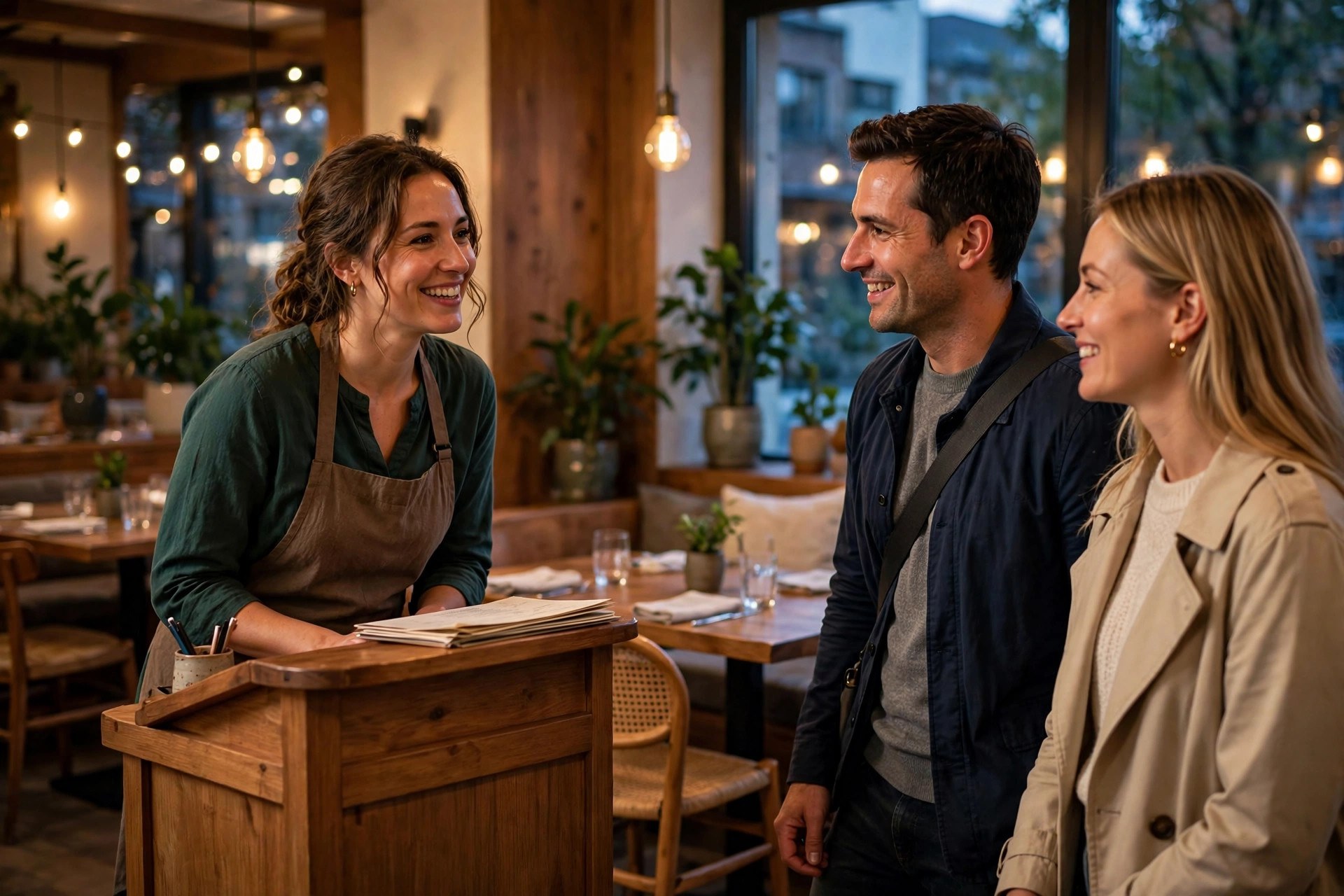
The host stand is your best list-building spot. Every greeted guest is an opt-in waiting to happen.
The VIP text club: bring regulars back every week
The VIP club is the core revenue campaign: a text list of your best guests who get first notice of the good stuff. It is not a discount list. It is an insider list. Members get the chef’s special before it posts, first dibs on event tickets, a birthday treat, and the occasional slow-night invitation. The framing matters. “Join our VIP list for first access to specials and events” builds a list of engaged guests. “Get 10 percent off” builds a list of coupon hunters who only come when bribed.
Slow-night promos that actually work
Tuesday and Wednesday are where the VIP list earns its keep. Send one text around 3 to 4 PM on the slow day itself: “Tonight only: our wood-fired ribeye special with a free dessert, for VIP guests. Tables open from 5. Reply YES and we will hold one.” The formula is specific, time-bound, and easy to act on. Rotate the offer: chef’s tasting preview, half-price bottles of wine, a new menu item before it launches. One text, one night, one clear reason to come. Restaurants running this consistently report slow-night lifts of 15 to 30 percent in covers, because the message reaches regulars at the exact hour they are thinking about dinner. Do not run the same offer every week or it becomes wallpaper. Scarcity and novelty are the fuel.
Birthdays and anniversaries
Collect the birthday month at opt-in, not the full date, which feels less intrusive. Send one text during the birthday week: “Happy birthday week, Maria. Dessert is on us whenever you visit this week. Just show this text.” Birthday guests bring parties: the average birthday table is three to four people at full check average. Anniversary dates for couples work the same way if you capture them. These are the highest-sentiment texts you will ever send, and they cost you a dessert.
Event and special-night texts
Wine dinners, chef’s tastings, live music nights, holiday prix fixe menus, patio season openings: events are high-margin and they sell out, but only if the right guests hear about them in time. Email announces events to the fraction who open it. Social media announces them to whoever the algorithm shows. A text to the VIP list announces them to everyone, instantly. Send the first notice two to three weeks out with a booking link, a reminder one week out, and a last-call text two days before if seats remain. Segment when you can: wine dinner notices go to guests who ordered wine before; family brunch events go to the brunch crowd. A text list segmented by what guests actually order is a precision tool. One text to 300 wine buyers will outsell a blast to 3,000 random contacts.
Takeout and delivery reorder texts
Takeout is repeat business with a short memory. A guest who ordered three weeks ago is one nudge from ordering again. Reorder texts target that window: “Craving Casa Verde? Your usual is one tap away: [link].” Time them to order history: 21 days after the last order for most restaurants, 14 for pizza and other high-frequency spots. Keep the link deep: it should open the guest’s cart or the menu, not the homepage. Every extra tap loses orders. If you run your own online ordering, this campaign also recovers margin lost to delivery app commissions, because a direct order keeps the 15 to 30 percent the apps take. Mention the pickup option explicitly in the text; guests who pick up save the delivery fee and you save the commission.
Review requests after the visit
Google reviews drive discovery for restaurants more than almost any other local business: guests check ratings before they ever look at a menu. The best time to ask is after a good visit, and texting is the way to reach the guest. Send one text an hour or two after the reservation, or print a QR code on the receipt that opens the review link: “Thanks for dining with us tonight. A quick Google review helps other guests find us: [link].” Keep it to one ask per visit. Train the host and servers to mention it warmly when a table is clearly happy: “If you enjoyed tonight, a review would mean a lot to us.” A steady flow of fresh reviews compounds into the rating and count that new guests check first. For the broader reputation picture, pair this with the ideas in our restaurant marketing ideas guide.
A 4 PM text about tonight’s special reaches guests while dinner plans are still open.
Waitlist texts: turn walkaways into seated guests
Busy nights create a second perishable problem: guests who will not wait 45 minutes and leave. A text waitlist captures them. Instead of a buzzer, take the phone number: “We will text you when your table is ready. Feel free to grab a drink at the bar.” The guest stays nearby instead of leaving, the bar sells drinks during the wait, and the table turns the moment it is ready. The same list fills cancellations: when a 7:30 no-shows, text the waitlist before the table sits empty. For restaurants with chronic weekend waits, the waitlist also becomes a marketing asset: those numbers, with consent, join the VIP club. The guests who waited once are the guests most likely to book ahead next time.
Message templates you can use this week
Keep marketing texts under 160 characters so they send as one message. Swap in your restaurant name.
Reservation confirmation
“Hi [Name], confirming your table for [Party] tomorrow at [Time] at [Restaurant]. Reply C to confirm or tap here to change it: [link].”
Slow-night promo
“Tonight only: wood-fired ribeye special + free dessert for VIP guests. Tables from 5 PM. Reply YES and we will hold yours. [Restaurant].”
Event notice
“VIP first access: our spring wine dinner is [Date], 5 courses with pairings, $95. Only 40 seats: [link]. [Restaurant].”
Takeout reorder
“Craving [Restaurant]? Your favorites are one tap away: [link]. Order pickup and skip the wait.”
Review request
“Thanks for dining with us tonight. A quick Google review helps other guests find us: [link].”
Birthday
“Happy birthday week, [Name]. Dessert is on us whenever you visit this week. Just show this text. [Restaurant].”
Building the list: every touchpoint is a sign-up
A restaurant collects phone numbers naturally; the work is turning those moments into opt-ins. The host stand is number one: a small sign and a verbal ask at greeting and seating. “Want first access to our specials and events? Text JOIN to 555888.” The receipt and the table tent carry a QR code to the same keyword. The Wi-Fi splash page offers the opt-in in exchange for connection. Online reservations include the checkbox. Takeout bags get a sticker with the keyword. Catering and private-event inquiries join a separate segment. Set a target: a busy independent restaurant should add 100 to 300 opted-in numbers a month without trying hard. At that pace, a 2,000-person list within the first year is realistic, and a 2,000-person list is a serious revenue asset. Clean it quarterly: remove disconnected numbers, honor every opt-out instantly, and never import numbers from delivery apps or reservation platforms without fresh consent.
Frequency: the line between welcome and spam
Restaurants can text more often than most businesses because dining is frequent and timely, but the line is real. The safe cadence: transactional texts as needed (confirmations, waitlist, reorder nudges tied to real behavior), VIP offers two to four times a month, event notices per event, birthday texts once a year per guest. Never send daily promos. Never send the same offer twice in one week. And never text a guest who has not engaged in a year without a re-permission nudge. Watch the opt-out rate after every campaign: a spike means the message missed. Under 1 percent opt-outs per campaign is healthy; over 3 percent means you sent the wrong thing to the wrong people. The best frequency test is simple: would you be annoyed to get this text from a restaurant you like? If yes, do not send it.
What it costs
Restaurant texting is cheap next to a single busy night. Two cost parts: the platform and the per-message fees.
| Setup | Typical monthly cost | What you get | Best for |
|---|---|---|---|
| Basic texting platform | $30 to $80 | Keyword opt-in, broadcasts, confirmations, templates | Single-location restaurants starting out |
| Restaurant texting platform | $80 to $150 | Reservation reminders, VIP segmentation, waitlist texts, review requests, reporting | Restaurants running the full playbook |
| All-in-one guest platform | $150 to $400 | Texting plus online ordering, loyalty, and reservations in one system | Multi-location groups |
| Done-for-you by an agency | $297 to $997 | Campaigns built and managed: VIP club, events, reviews, reporting | Owners who want it handled |
Message fees run 1 to 3 cents per text segment plus the number rental and A2P 10DLC registration. A restaurant sending 5,000 texts a month pays roughly $50 to $150 in message fees. Compare that to the alternatives in the table below. If you are also investing in the website that captures these opt-ins, our breakdown of how much a restaurant website costs helps you budget the full stack.
| Channel | Typical reach | Speed | Cost per touch | Best job |
|---|---|---|---|---|
| SMS | Near 98 percent open | Minutes | 1 to 3 cents | Confirmations, slow-night fills, events |
| 20 to 30 percent open | Hours | Fractions of a cent | Newsletters, long-form stories | |
| Social media | Algorithm-dependent | Hours to days | Time or ad spend | Discovery, brand, new guests |
| Delivery apps | App users only | Minutes | 15 to 30 percent commission | Incremental orders at high cost |
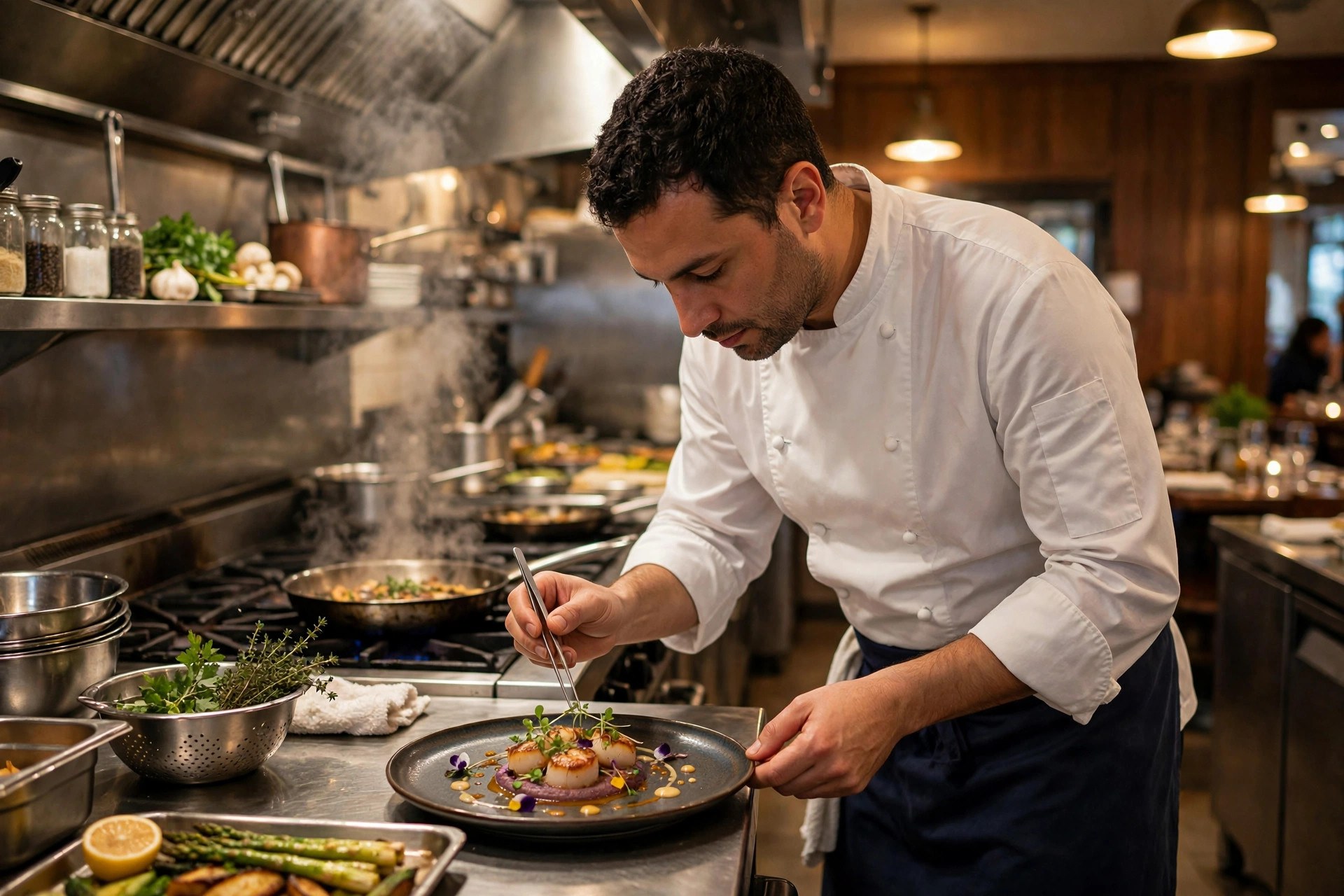
Event texts sell out chef’s tastings and wine dinners. One text to the right 300 guests beats a blast to 3,000.
Measuring what the texts earn
Track four numbers monthly. One: list growth, new opt-ins minus opt-outs. A shrinking list means the messages are wrong. Two: redemption and response rate per campaign: replies, booking-link taps, and code redemptions. Three: no-show rate on reservations, before and after confirmations launch. Four: revenue per campaign: covers attributed to slow-night texts, event ticket sales from text notices, and takeout orders from reorder nudges. Tag every link so the booking system can attribute the table. The number that matters most is revenue per subscriber per month: total text-attributed revenue divided by list size. When that number is $2 to $5, a 2,000-person list is worth $4,000 to $10,000 a month. That is the asset you are building.
Common mistakes that kill restaurant texting
Seven mistakes repeat. One: no clear opt-in. Adding reservation or delivery-app numbers to marketing texts without consent earns complaints and carrier blocks. Two: daily blasts. Frequency kills lists; two to four promotional texts a month is the zone. Three: generic offers. “20 percent off tonight” trains guests to wait for discounts; specific, time-bound, insider offers bring them in without touching your pricing power. Four: no booking or order link. Every text should end in one tap to act. Five: ignoring replies. Guests reply to texts with questions; someone must answer within the hour or the conversation dies. Six: texting at bad hours. Keep promos inside 8 AM to 9 PM. Seven: never cleaning the list. Disconnected numbers and year-silent contacts drag down deliverability and skew every metric. Audit quarterly.
Your rollout checklist
Build the list and the confirmations first, then layer the revenue campaigns.
- 1Set up compliant opt-in. Keyword sign-up at the host stand, QR codes on receipts and table tents, checkbox on online reservations, Wi-Fi splash page.
- 2Complete A2P 10DLC registration. Register the number and campaigns so messages deliver instead of getting filtered.
- 3Launch reservation confirmations. Instant confirmation, day-before reminder, and morning-of reminder for prime slots, each with confirm or reschedule.
- 4Build the waitlist flow. Text-based waitlist on busy nights, with instant fill texts when tables free up.
- 5Write the template library. Confirmations, slow-night promos, event notices, reorder nudges, review requests, and birthday texts.
- 6Launch the VIP club. Frame it as insider access, not discounts. Start collecting at the host stand this week.
- 7Run the first slow-night text. One specific, time-bound offer at 3 to 4 PM on your slowest night. Measure covers.
- 8Automate review requests. One text with a direct link an hour or two after each visit.
- 9Start reorder nudges. Texts timed to order history with a deep link straight to the menu or cart.
- 10Review monthly. Track list growth, opt-out rate, revenue per campaign, and revenue per subscriber. Adjust offers quarterly.
Frequently asked questions
Is SMS marketing legal for restaurants?
Yes, with express opt-in. Guests must agree to receive marketing texts, usually through a keyword sign-up, QR code, or reservation checkbox. Every marketing text needs an opt-out, your number must be registered for A2P 10DLC, and you should never import numbers from delivery apps or reservation platforms without fresh consent.
How often should a restaurant text its list?
Transactional texts as needed, VIP offers two to four times a month, event notices per event, birthday texts once a year per guest. Daily promos kill lists. Watch the opt-out rate: under 1 percent per campaign is healthy.
What is a good response rate for restaurant texts?
Slow-night and event texts commonly see 5 to 15 percent of the list act, depending on list quality and offer strength. A segmented list of real regulars will always beat a large list of strangers.
Should restaurants offer discounts by text?
Sparingly. Specific, time-bound insider offers fill tables without training guests to wait for deals. Blanket percentage discounts attract bargain hunters and erode pricing power. Frame the VIP club around access, not coupons.
How do text confirmations reduce no-shows?
Most no-shows are forgotten reservations. A day-before reminder catches real conflicts early enough to rebook the table, and a morning-of reminder catches the purely forgotten. Restaurants commonly cut no-shows by a third to a half.
What is the best way to build a restaurant text list?
The host stand: a verbal ask plus a keyword sign-up at greeting and seating. Add QR codes on receipts and table tents, a checkbox on online reservations, and the Wi-Fi splash page. A busy restaurant should add 100 to 300 opted-in numbers a month.
Can texts help with takeout orders?
Yes. Reorder nudges timed to order history, with a deep link straight to the menu, bring past takeout guests back. Direct orders also recover the 15 to 30 percent commission that delivery apps take.
When should we ask for a Google review?
An hour or two after the visit, by text with a direct link, or through a QR code on the receipt. One ask per visit. Train staff to mention it warmly when a table is clearly happy.
What does SMS marketing cost a restaurant?
Most setups run $30 to $150 a month for the platform plus 1 to 3 cents per text in message fees. A restaurant sending 5,000 texts a month typically pays $50 to $150 in message fees. One recovered slow night covers it.
Should we text or post on social media?
Both, for different jobs. Social media finds new guests and builds the brand. Texting reaches your existing guests instantly at the moment they can act. For filling tonight’s tables, texting wins every time.
Turn slow nights into sold-out nights
Digital Hayder builds SMS systems for restaurants: VIP text clubs, reservation confirmations, slow-night promos, event campaigns, review requests, and reorder nudges, all compliant and running on your real guest list. Tell us about your restaurant and we will design the messaging around your dining room.
Contact Us