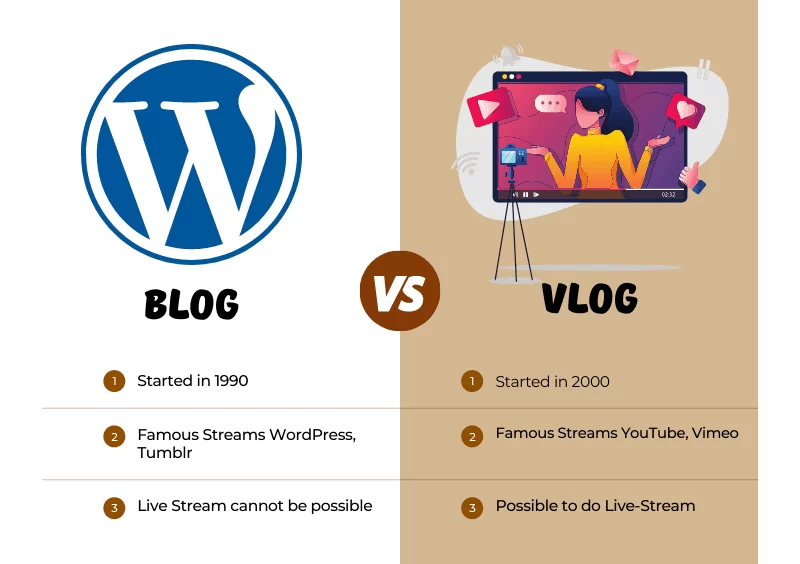
Blogging and vlogging have become increasingly popular ways for people to share their thoughts, opinions, and experiences online. Both platforms offer unique benefits, but many wonder which one has the most money-making potential. There are several factors to consider when determining if blogs or vlogs are more likely to generate income.
Overview of Blogs
A blog is an online journal or informational website that contains regular updates called “posts.” Blogs can cover any topic imaginable, from fashion and beauty to technology, business, cooking, and more. Posts typically contain written text, images, embedded videos, and links to other relevant websites.
Some of the key advantages of blogging include:
Low Barrier to Entry
Creating a blog is relatively easy and affordable. All you really need is a website, web hosting, and a content management system like WordPress. This makes starting a blog accessible for almost anyone.
Inexpensive to Maintain
Once a blog is up and running, it requires very little money to maintain on an ongoing basis. Web hosting and domain registration cost between $100-$200 per year typically.
Flexible Posting Schedule
Bloggers can post as often as they want, from multiple times per day to once every few months. This flexibility makes blogging easy to balance alongside work, school, or family life.
Variety of Monetization Options
There are many ways for blogs to generate income, including display ads, sponsored posts, affiliate marketing, digital products, and more. This gives bloggers multiple options to earn money.
Opportunities for Passive Income
Blogs can earn money passively through existing content. For example, display ads generate revenue whenever someone visits the site, not just when new content is created.
Overview of Vlogs
A vlog is a video blog that involves creating and publishing videos online. These are typically hosted on platforms like YouTube, Facebook, Instagram, TikTok, or a vlogger’s own website. Vlogs often focus on specific niches and feature recurring on-camera hosts.
Some key benefits of vlogging include:
Personality-Driven Content
Vlogs allow creators to connect with audiences on a more personal level through on-camera presence and commentary. Viewers get to know the vlogger’s personality.
Visually Engaging
Video content tends to be more attention-grabbing and engaging than text and images alone. This helps vlogs attract and retain viewers.
Mobile Optimization
Many people consume online video on their smartphones. Vlogs capitalize on this trend through vertical video formats optimized for mobile users.
Built-in Platforms
Major social media sites like YouTube and Facebook have massive built-in audiences. This gives vloggers instant access to potential viewers.
Opportunities for Sponsorships
Popular vloggers often get sponsorship deals and brand partnerships based on their viewer demographics and engagement levels. This provides additional monetization streams.
Factors that Influence Earning Potential
When determining if blogs or vlogs have greater money-making potential, there are several factors to take into account:
Audience Size and Growth
Generally, the more people that engage with your content, the more money you can make from ads, affiliates, sponsors, etc. Consistently growing your audience is key for any creator.
Audience Demographics
Younger audiences may generate better ad revenue, while older viewers may have more disposable income for products you recommend. Understanding your audience helps maximize income.
Cost Per Thousand Impressions (CPM Rates)
Advertising CPM rates vary across platforms and niche topics. Research typical CPM rates for your chosen niche and platform. Higher is better.
Engagement Metrics
Higher engagement metrics like comments, shares, click-through rates, and watch time indicate an engaged, monetizable audience. These are key selling points for sponsors as well.
Quality and Consistency
Creating high-quality, consistent content keeps audiences engaged and expands your reach and monetization over time. Low-quality, sporadic content limits income potential.
Diversification
Having diverse income streams (ads, affiliates, products, Patreon, etc.) helps protect you when one stream underperforms. Don’t rely on a single monetization method.
Your Skills and Interests
Earn more in the long run creating content you’re passionate about and play to your strengths. If you hate writing but love video, vlogging makes more sense.
Blogs vs. Vlogs: Which Generates More Income?
So which platform generally makes the most money overall – blogs or video blogs? Here’s a comparison of monetization potential:
Advertising Revenue
YouTube pays creators 55% of ad revenue generated through Google AdSense. Most blogs earn 60-80% through programs like Google AdSense or display ad networks. Edge: Blogs
Sponsorships and Brand Deals
Top YouTubers earn millions from sponsorships. But popular bloggers also earn substantial income promoting brands. Big deal potential exists on both platforms. Tie
Passive Income Generation
Evergreen blog content continues earning ad revenue indefinitely. Videos only earn money while active and popular. Edge: Blogs
Audience Size Potential
YouTube’s enormous user base gives major audience growth potential. But niche blogs can still attract millions of targeted readers over time. Tie
Cost Per Impression (CPM) Rates
YouTube CPM rates are $2-$5 for small creators and $5-$15+ for major channels. Blog CPM rates typically range from $1-$20 based on niche. Edge: Vlogs
Creator Earnings Potential
Top bloggers make multiple 6-figures per year. But the very highest-earning YouTubers make up to $30+ million annually. Edge: Vlogs
Overall: Vlogs Generate More Income Potential
While both platforms offer money-making opportunities, vlogging tends to provide higher earning potential for several reasons:
- Massive audience growth capacity on YouTube
- Personality-driven formats foster loyal followings
- Strong viewer engagement and watch time metrics appeal to advertisers
- Huge sponsor/brand deal opportunities for popular vloggers
- High CPM ad rates compared to most blogs
- YouTube ad revenue favors short-form video content
However, a popular blog in a lucrative niche can still generate a full-time income of hundreds of thousands per year. Combining blogs and vlogs also maximizes overall earning potential. But for pure money-making prospects, vlogging narrowly edges out blogging in most cases.
Tips to Boost Your Income Potential
Here are some tips to help maximize your earning potential on blogs and vlogs:
- Choose a profitable niche – Research which topics have the highest CPM ad rates and affiliation potential.
- Provide value – Build trust and loyalty by consistently providing useful information and entertainment.
- Set a regular content schedule – This helps build habitual viewership. Aim for 2-3 posts or videos per week.
- Create search-optimized content – Target high-traffic keywords and answer common questions from search.
- incorporate mid-roll ads – Having ads placed throughout longer videos significantly boosts income.
- Diversify monetization – Don’t just rely on AdSense. Sell affiliate products, memberships, online courses, branded merch, etc.
- Collaborate with others – Guest videos and co-promotions help reach each other’s audiences.
- Encourage engagement – Increase comments, shares, likes, and watch time to attract sponsors.
- Analyze metrics – Study your traffic sources, engagement stats, and revenue channels to refine your approach.
Conclusion
Determining whether blogging or vlogging is most profitable depends on your specific goals, talents, and audience. But the explosive popularity of YouTube combined with high CPM ad rates gives vlogging the edge for monetization potential in many cases. That said, building a blog in a lucrative niche can still generate a sizable income itself. The best approach may be to leverage both platforms synergistically to maximize your overall earning capabilities as an online creator.
h2 Frequently Asked Questions
What are the main differences between blogs and vlogs?
The main differences are that blogs primarily use written text and images while vlogs focus on recorded videos. Blogs are published to blog sites while vlogs go on video platforms like YouTube.
What types of vlog content is most profitable?
How-to tutorials, product reviews, entertainment, and niche commentary vlogs often generate strong revenue streams. Highly engaged audiences in profitable niches drive monetization.
How much money can you make blogging?
Top bloggers make from $100,000 up to $1 million+ per year. Most full-time bloggers make between $30,000 to $100,000 on average. Profit varies based on traffic, niche, and monetization strategies.
Who are the highest paid YouTubers?
Some of the highest-paid YouTubers today include MrBeast, Jake Paul, Markiplier, PewDiePie, Dude Perfect, and Ryan Kaji who all earn $20-$30 million per year primarily through ads, sponsorships, and merchandise.
What types of blogs make the most money?
Finance, business, technology, fashion, travel, and food blogs often have the highest earning potential. Ads in these niches tend to have higher CPM rates for relevant/valuable products and services.
How can I increase my vlog income?
Boost vlog income by choosing a profitable niche, consistently uploading engaging content, growing your subscriber base, collaborating with others, encouraging viewership, and pursuing brand sponsorships and partnerships.
Is it hard to make money vlogging or blogging?
It takes significant time and effort to build an audience and sustainable income source from blogging or vlogging. But it can be very lucrative if you stay persistent, leverage your talents, and pursue multiple monetization channels.
What are the easiest ways to make money vlogging?
The easiest ways to earn money vlogging include putting ads on your videos, joining affiliate programs, promoting sponsored products, selling your own digital products, and offering paid channel memberships.
Which is better for beginners, blogs or vlogs?
Blogs tend to be better for beginners since they have a lower barrier to entry, require less equipment, and utilize writing skills most people already have. Vlogging has a steeper learning curve.
What monetization options work for both blogs and vlogs?
Display ads through Google AdSense, affiliate marketing, selling branded products, offering consulting/coaching services, accepting user donations, and selling online courses are options for monetizing both blogs and vlogs.