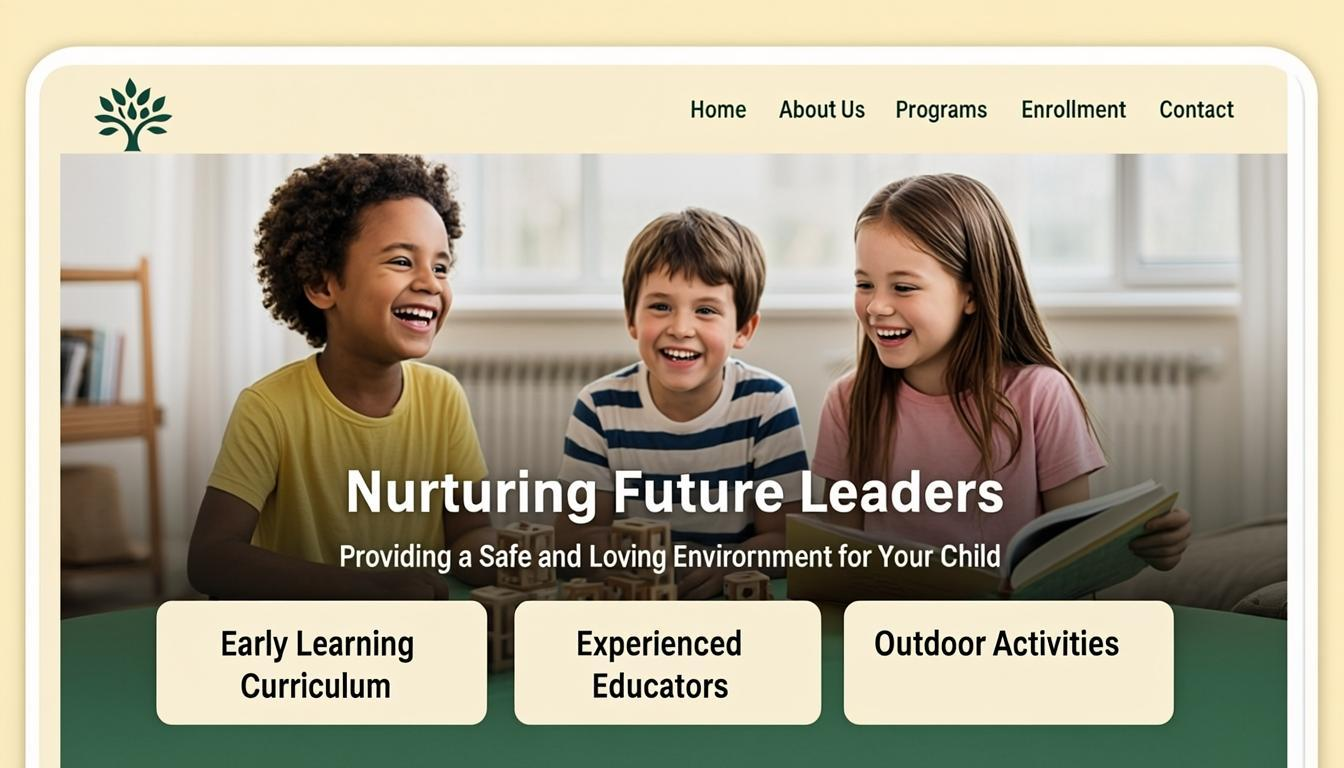
Daycare Website Checklist: 2026 Edition
In today's digital landscape, your daycare website is often the first impression potential families have of your business. With 14.8 million children nationwide having potential needs for child care [4], standing out online has never been more critical. But what exactly makes a daycare website effective? Let's break down the essential elements that will help you attract more families and build trust in your community.
Why Your Daycare Website Needs Regular Updates
The child care industry evolves quickly, with new regulations and standards emerging regularly. For instance, Virginia's childcare providers must check their official portal frequently for major changes affecting their operations [1]. Your website should reflect these updates to demonstrate compliance and professionalism.
A well-maintained website shows potential families that you're current and detail-oriented. It's not just about having a site,it's about keeping it fresh and relevant. When parents research childcare options, they want to see that your facility meets current standards and safety protocols.
Action step: Set a quarterly calendar to review and update your website content. This ensures your information stays accurate and your site remains competitive in search rankings.
Essential Pages Every Daycare Website Must Have
Your website structure should make it easy for parents to find what they need quickly. Here are the must-have pages:
Homepage
Your homepage should immediately communicate your unique value proposition. Include your center's name, a compelling tagline, and high-quality images of your facility and happy children. The homepage must load quickly and be mobile-friendly, as 60% of parents browse on their phones [2].
About Us Page
This page tells your story. Share your mission, philosophy, and qualifications. Include photos of your staff and their credentials. Parents want to know who will be caring for their children, so make your team the stars of this page.
Programs and Curriculum
Detail the specific age groups you serve and your educational approach. If you follow a particular curriculum like Montessori or Reggio Emilia, explain what that means for children's development. Include daily schedules and learning objectives for each age group.
Tuition and Policies
Be transparent about your fees, payment options, and policies regarding holidays, sick days, and late pickups. Clear pricing builds trust and reduces the number of inquiries you'll receive about basic information.
Contact and Enrollment
Make it easy for parents to reach you and take the next step. Include your phone number, email address, physical location with a map, and an online enrollment form or clear instructions on how to enroll.
Design Elements That Build Trust
Your website's design directly impacts how parents perceive your daycare. A professional, clean design signals that you're a legitimate, caring operation. Use colors that are warm and inviting but not overwhelming. Stick to a consistent color scheme throughout your site.
High-quality photos are non-negotiable. Include images of your classrooms, playground, and children engaged in activities. Authentic photos work better than stock images. If possible, include short video tours of your facility,video can increase engagement by up to 80% [2].
Pro tip: Ensure your website loads in under 3 seconds. Slow-loading sites drive away potential customers. Compress images and minimize plugins to keep your site fast.
Content That Converts Browsers into Enrollees
Great content addresses parents' concerns and questions. Create blog posts that answer common questions like "How to prepare your child for daycare" or "The benefits of early childhood education." This not only helps parents but also improves your search rankings.
Include testimonials from current and past parents. Social proof is powerful,86% of consumers read reviews before making a purchase [3]. Feature quotes, photos, and even video testimonials if possible.
Your website should also highlight your differentiators. What makes your daycare special? Is it your low staff-to-child ratio, specialized programs, or extended hours? Make these features prominent on your site.
SEO Strategies for Daycare Websites
To attract local families, your website needs to be visible in search results. Here's how to optimize for local search:
Local SEO Basics
Claim your Google Business Profile and ensure all information is accurate and complete. Use keywords like "daycare near me" and "preschool in [your city]" throughout your site. Include your city and neighborhood names in your page titles and content.
Keyword Research
Identify the terms parents use when searching for childcare. Tools like Google Keyword Planner can help. Focus on long-tail keywords like "Montessori preschool for 3-year-olds" rather than just "daycare." These less competitive keywords often convert better.
Online Reviews
Encourage satisfied parents to leave reviews on Google and other platforms. Respond to all reviews,both positive and negative. This shows you're engaged and value feedback. According to recent data, 91% of consumers read online reviews for local businesses [3].
Website Maintenance Checklist
A website is never truly "finished." Regular maintenance ensures it continues to perform well. Here's your quarterly maintenance checklist:
- Update all staff photos and bios
- Refresh classroom photos to show current activities
- Check and update all contact information
- Review and update tuition and policies
- Test all forms and contact methods
- Check website speed using tools like Google PageSpeed Insights
- Backup your website data
- Review analytics to see which pages perform best
Comparing Website Builders for Daycares
Not all website builders are created equal. Here's how popular options stack up for daycare websites:
| Feature | Wix | Squarespace | WordPress | GoDaddy Websites + Marketing |
|---|---|---|---|---|
| Ease of Use | ★★★★★ | ★★★★☆ | ★★☆☆☆ | ★★★☆☆ |
| Customization | ★★★★☆ | ★★★★☆ | ★★★★★ | ★★★☆☆ |
| Cost | $16-$45/month | $12-$40/month | $11-$49/month | $10-$25/month |
| SEO Features | ★★★☆☆ | ★★★★☆ | ★★★★★ | ★★★☆☆ |
| Mobile Responsiveness | ★★★★☆ | ★★★★★ | ★★★★☆ | ★★★☆☆ |
Key Takeaways
- Your daycare website is your most powerful marketing tool,make it count with regular updates and fresh content.
- Essential pages include homepage, about us, programs, tuition/policies, and contact/enrollment.
- High-quality photos and videos build trust and help parents visualize their children in your care.
- Local SEO strategies help you stand out in search results when parents search for childcare options.
- Regular website maintenance keeps your information accurate and your site performing well.
- Testimonials and social proof are critical for converting website visitors into enrolled families.
Conclusion
In 2026, your daycare website isn't just an online brochure,it's your digital front door. With proper planning and regular updates, it can become your most effective tool for attracting new families and building trust in your community.
Ready to transform your website? Start by implementing just one or two elements from this checklist today. Small improvements can make a big difference in how parents perceive your daycare. And remember, your website should evolve as your business grows,make it a priority to review and refresh it regularly.
What website features have worked best for your daycare? Share your experiences in the comments below!