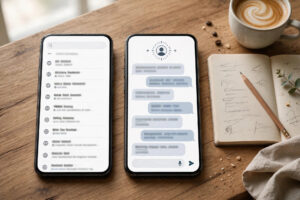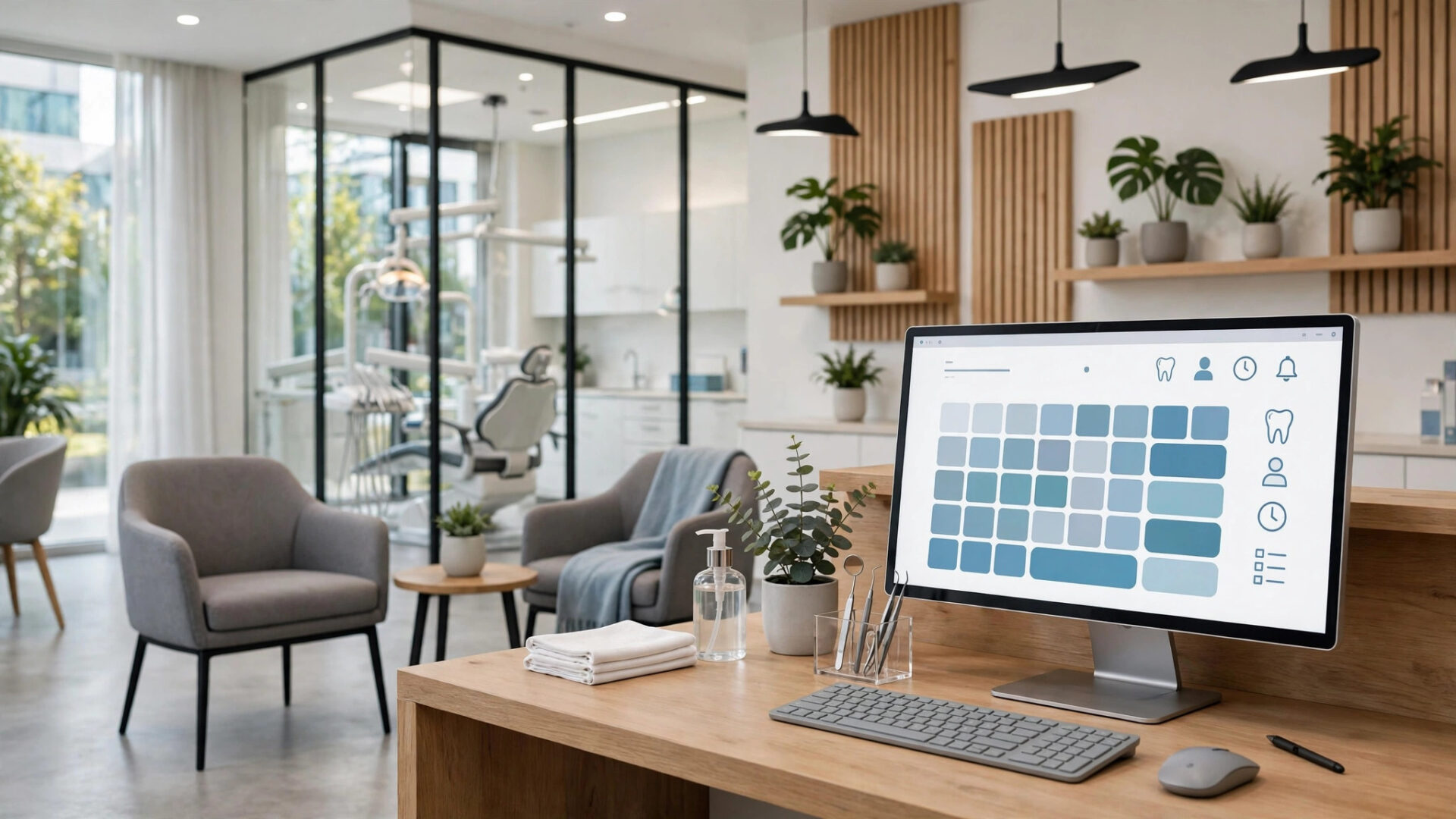
Most dental website visitors never contact the practice. They browse at 10pm, have a question about insurance or Invisalign cost, find no answer, and leave. An AI chatbot for dental websites fixes the leak: it answers common questions instantly, captures the visitor’s details, and books the appointment while the front desk is home asleep. This guide covers the use cases that matter for dental practices, what a chatbot really costs, the conversion numbers to expect, and the questions to ask any vendor before you buy.

What an AI chatbot does on a dental website
An AI chatbot is a conversational assistant embedded on your website that talks with visitors in plain language. Unlike old rule-based bots that broke the moment someone typed something unexpected, modern AI chatbots understand intent: a visitor asking “do you take Delta Dental” and one asking “is my insurance accepted” get the same correct answer. For a dental practice, the chatbot’s job is narrow and valuable: answer the ten questions every patient asks, collect contact details from interested visitors, and book appointments directly into your schedule.

The use cases that matter for dental practices
After-hours appointment booking. The highest-value use case. A large share of dental website traffic arrives outside office hours. The chatbot offers available times, collects the patient’s details, and books directly. Every booked appointment is one your competitors lost to voicemail.
Insurance questions. “Do you take my insurance?” is the most asked question on dental websites. The chatbot answers from your accepted-plans list instantly, instead of making the visitor call to ask.
Treatment cost questions. Visitors asking about Invisalign or implant costs get honest ranges and an invitation to book a consultation, instead of bouncing when they find no pricing.
Emergency triage. A visitor in pain gets immediate guidance: what counts as an emergency, your emergency availability, and a one-tap call or booking option. Speed here wins patients.
New patient intake. The chatbot can collect the details your front desk needs before the first visit, cutting phone time and paperwork.
What does an AI chatbot for dental websites cost?
Chatbot pricing for dental practices typically runs $100 to $500 per month for a managed solution, depending on features: booking integration, CRM connection, and customization depth. One-time setup fees of $500 to $2,000 are common for custom training on your services, pricing, and insurance plans. Against the value of even two or three extra booked appointments per month, the math is straightforward. A single implant case pays for years of chatbot service.
Conversion numbers: what to expect
Well-implemented dental chatbots typically engage 5 to 15 percent of website visitors and convert a meaningful share of those conversations into booked appointments or qualified leads. The biggest gains come from after-hours traffic that previously converted at zero. Track three numbers: engagement rate (visitors who talk to the bot), booking rate (conversations that produce appointments), and after-hours bookings specifically. If after-hours bookings are not growing, the chatbot is decoration.
Questions to ask vendors before you buy
Does it book into my real schedule? A chatbot that only “sends you the details” creates work. One that books into your practice management software creates appointments.
Who trains it on my practice? Generic dental answers are not enough. The bot needs your services, your pricing ranges, your insurance list, and your booking rules.
What happens when it does not know? The bot should hand off gracefully to a human, by text or callback request, not loop or hallucinate an answer.
Do I own my conversation data? Every chat is a lead source. Make sure transcripts flow into your CRM and you keep them if you cancel.
What does support look like? Ask who fixes it when the booking integration breaks at 9pm on a Friday. The answer tells you everything about the vendor.
Frequently asked questions
Will a chatbot annoy my website visitors?
No, when it behaves well: a small greeting bubble, no auto-opening chat windows, instant useful answers. Visitors who want a human can still call. The chatbot serves the ones who would otherwise leave silently.
Can a chatbot really book dental appointments?
Yes, when integrated with your scheduling software. The bot shows real availability, collects patient details, and writes the appointment into your system. Without that integration it is just a contact form with extra steps.
How long does setup take?
Two to four weeks for a properly trained dental chatbot: training on your services and pricing, booking integration, testing, and front desk training on handling bot-booked appointments.
What about HIPAA compliance?
Any chatbot handling patient information must be HIPAA compliant: encrypted data, access controls, and a signed business associate agreement with the vendor. Confirm this in writing before you buy.
Want a website that books patients while you sleep?
We build dental websites with AI chatbots that answer questions, capture leads, and book appointments around the clock, wired into your schedule and your CRM.
Contact Us