Most funeral homes do not have a marketing problem in the usual sense. Families choose a funeral home through past experience, a referral from a hospice nurse or clergy member, or a quiet search in a hard moment. What most funeral homes do have is a silence problem: after the service, the relationship ends, and the family that trusted you with the hardest week of their life never hears from you again. Meanwhile the pre-planning conversation, the one that decides which funeral home a family chooses years in advance, goes to whoever stayed in touch. Email is the most respectful way to stay in touch. It arrives quietly, it can be read when the person is ready, and it costs almost nothing. This guide covers how funeral homes use email well: building a permission-based list, nurturing pre-planning interest over months, following up with aftercare that families genuinely appreciate, sharing grief resources, promoting community events, and doing all of it with taste and care.
The quick answer
- Permission first: email only people who agreed to hear from you. Never buy a list, and keep service emails separate from marketing emails.
- Pre-planning nurture: most families take months or years to decide. A gentle educational series keeps your funeral home top of mind.
- Aftercare follow-up: timed check-ins at two weeks, thirty and ninety days, and the first anniversary are deeply appreciated by families.
- Grief resources: share genuinely helpful content, not sales messages. Partner with counselors, hospices, and support groups.
- Community and referrals: event invitations and professional updates keep clergy, hospices, and estate attorneys connected to you.
- Tone and compliance: plain warm language, a clear unsubscribe link, and opt-outs honored immediately. Taste is the whole strategy.
Why email fits funeral service better than most marketing
Funeral service runs on trust built over years and called upon in days. Nobody picks a funeral home from a flashy ad; they pick the name they already know, the one a nurse mentioned, the one that served their neighbor with dignity. Email matches that reality. It is quiet, personal, and patient. A family considering pre-planning does not want pressure; they want clear information they can read at their own pace, discuss with their children, and return to months later. An aftercare email does not feel like marketing at all when it arrives at the right time with the right words; it feels like someone remembered.
The economics are just as fitting. A single pre-arranged funeral represents thousands of dollars in future revenue, and a family served well refers the next generation. Email costs pennies per send and reaches exactly the people most likely to choose you again: families you have served, people who attended a seminar, and neighbors who signed up for your grief resources. Unlike social media, you own the list; unlike paid ads, the cost does not rise with competition. For a business where one pre-planning decision can be worth more than a year of advertising, a well-run email program is one of the highest-return investments a funeral home can make.
Building a respectful, permission-based list
Everything in this guide rests on one foundation: a list of people who asked to hear from you. In funeral service, trust is the product, and nothing damages trust faster than unwanted email. Build the list slowly and honestly, and it will serve you for decades.
Where addresses come from
The natural sources are already in your building. Families you have served: include a simple, clearly optional email opt-in on the arrangement paperwork and the aftercare survey, worded as an invitation rather than a formality (“May we send occasional grief resources and community event invitations?”). Pre-planning seminar attendees: every sign-in sheet and online registration is an opt-in for follow-up about pre-planning. Your website: a pre-planning guide download, a grief resource library, and a “plan ahead” consultation request each earn addresses from people researching quietly at home. Community events: sign-in sheets at remembrance ceremonies and grief support groups, with the purpose stated plainly. Segment from the start: served families, pre-planning prospects, seminar attendees, and professional contacts (clergy, hospice staff, attorneys) should be separate lists, because each group deserves different content. A served family getting pre-planning sales emails too soon feels wrong; the same family getting a grief resource feels cared for.
What never to do
Never buy or rent an email list. Purchased lists are full of wrong addresses and unwilling recipients, they destroy your sender reputation, and in this profession they are simply beneath you. Never add obituary guest-book signers to marketing emails without clear permission; signing a guest book is not consent. Never email a grieving family a promotional message in the first weeks after a service; the aftercare sequence below is the only appropriate contact in that window. Keep a suppression list of everyone who opts out or asks not to be contacted, and honor it permanently. One tone-deaf email can undo years of goodwill in a community where everyone talks.
Pre-planning nurture: the long, gentle conversation
Pre-planning is the highest-value email activity a funeral home has. Families who pre-plan choose your funeral home deliberately, fund their arrangements in advance, and spare their children hard decisions. But the decision takes time: months of thinking, a conversation with adult children, sometimes a seminar and a consultation before anything is signed. Email is the thread that holds that long conversation together.
The educational email series
Build a five to seven email series that a prospect receives over two to three months after downloading your pre-planning guide or attending a seminar. Each email answers one real question in plain language: what pre-planning actually involves, how funding works (insurance assignment, trusts, and payment plans in general terms), what choices matter most and which can wait, how to talk with family about your wishes, and what happens step by step when the time comes. End each email with a soft invitation, never pressure: “If you would like to talk through any of this, we are here.” Write like a knowledgeable friend, not a brochure. Families forward these emails to their children, which is exactly how pre-planning decisions get made: the email does the explaining so the family conversation is easier.
Seminar and consultation follow-up
Every pre-planning seminar should trigger a short follow-up sequence. The evening after the event: a thank-you email with the promised handout or recording and one clear next step (book a private consultation). One week later: answers to the three most common questions asked at the seminar, with the consultation invitation repeated gently. Three weeks later: a brief personal note from the presenter offering to answer individual questions. Track attendance to consultation to signed pre-arrangement, and you will see which seminars and which follow-ups produce results. The same pattern works for one-on-one consultations that did not close: a thank-you the next day, a helpful resource a week later, and a check-in after a month. Many families sign on the second or third touch, not the first.
Answering objections with patience
The reasons families delay pre-planning are consistent: “it feels morbid,” “my kids will handle it,” “I am not sure I will stay in this town,” and “I do not want to think about money right now.” Your emails should address each one kindly and directly. On morbidity: frame pre-planning as a gift of clarity to the people they love, which it is. On children handling it: note gently that children making fifty decisions in three days while grieving is exactly what pre-planning prevents. On relocation: explain transferability in plain terms. On money: explain that planning the wishes costs nothing and funding can wait or be done gradually. Never argue; simply keep showing up with useful answers until the family is ready.

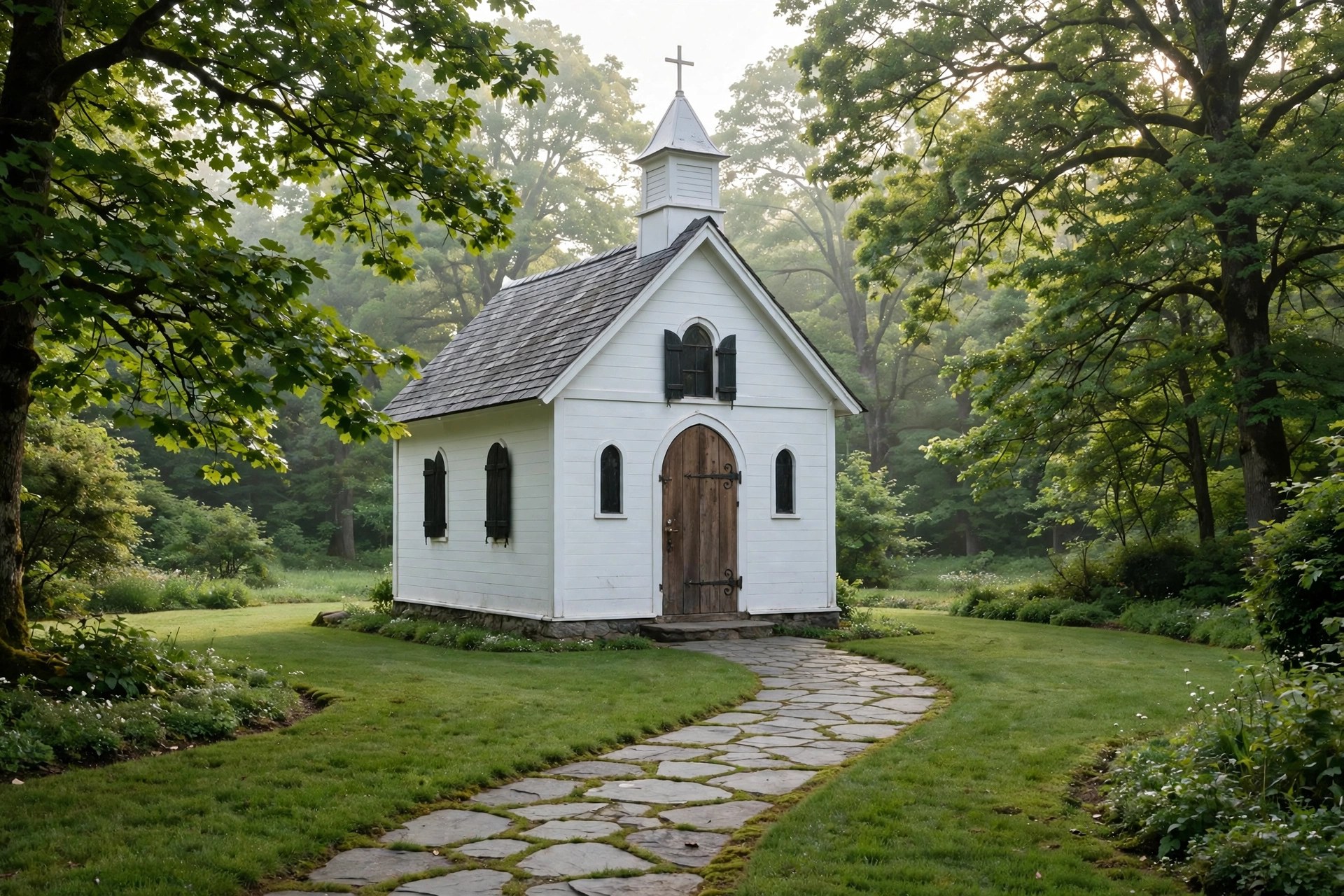
A peaceful setting for remembrance events gives families a reason to stay connected with your funeral home.
Aftercare follow-up: the emails families remember
Aftercare is where email earns its place in funeral service. The weeks and months after a funeral are when grief hits hardest and support fades fastest. Friends stop calling, the casseroles stop coming, and the family is alone with the loss. A funeral home that shows up in that window with genuine care is remembered for years, and remembered warmly. This is not marketing dressed as kindness; it is kindness that happens to build the strongest reputation a funeral home can have.
The aftercare timeline
Build the sequence around the moments grief research and experience both point to. Two weeks after the service: a short personal email from the funeral director, no agenda beyond care (“We have been thinking of your family. If there is anything you need, please reach out.”). Thirty days: a grief resource, such as a guide to the first month or an invitation to a support group. Ninety days: a check-in acknowledging that the hardest part often comes after the first wave of support fades, with resources for continuing grief. Six months: a brief note with a seasonal resource. The first anniversary: a remembrance email, ideally paired with an invitation to your annual remembrance ceremony. Each email should be short, warm, and free of any sales content. The only “offer” ever included is support: groups, counseling referrals, remembrance events. Automate the timing from the service date in your system, but write every email as if the director sat down to write it personally.
What to include and what to avoid
Include: the name of the person who died (spelled correctly, every time), a genuine sentiment, one useful resource, and a real reply address monitored by a human. Avoid: any mention of pre-planning, pricing, or services for at least the first year; stock condolences that could have been written by anyone; and images that feel commercial. One wrong name or one sales pitch in an aftercare email can do lasting damage, so have a second person proof every template. Families do reply to these emails, often with thanks and sometimes with their own grief stories. Answer every reply personally. That conversation is the relationship.
Grief support content that genuinely helps
Beyond the aftercare sequence, a small library of grief content gives families a reason to stay connected and gives your emails substance. This content positions your funeral home as a community resource rather than a vendor, which is precisely how funeral homes earn lasting loyalty.
Content types that work
Short guides beat long ones: “The first thirty days,” “Helping children understand loss,” “Grief and the holidays,” “Returning to work after a loss,” “What to say to a grieving friend.” Each can be a one-page email or a simple download. A monthly grief newsletter, kept to three short items, works for families further along. Video or audio of a local counselor answering one common question adds a human face. Seasonal content matters enormously: the first holiday season without someone is the hardest stretch of the year for many families, and a thoughtful November email with coping suggestions and your remembrance event invitation is one of the most appreciated emails a funeral home can send. Keep everything practical and plain-spoken; grieving people have no patience for vague comfort.
Work with professionals, not around them
Partner with local grief counselors, hospice bereavement coordinators, and support group leaders for content and referrals. Quote them (with permission), invite them to write a guest piece, and link to their services. This does two things: it keeps your content credible, since you are a funeral professional rather than a therapist, and it deepens the referral relationships that feed your business. When a hospice bereavement coordinator trusts your aftercare program, your funeral home is the name they mention. Never present your content as therapy or counseling; present it as a caring neighbor sharing what has helped other families, with professional help one referral away.
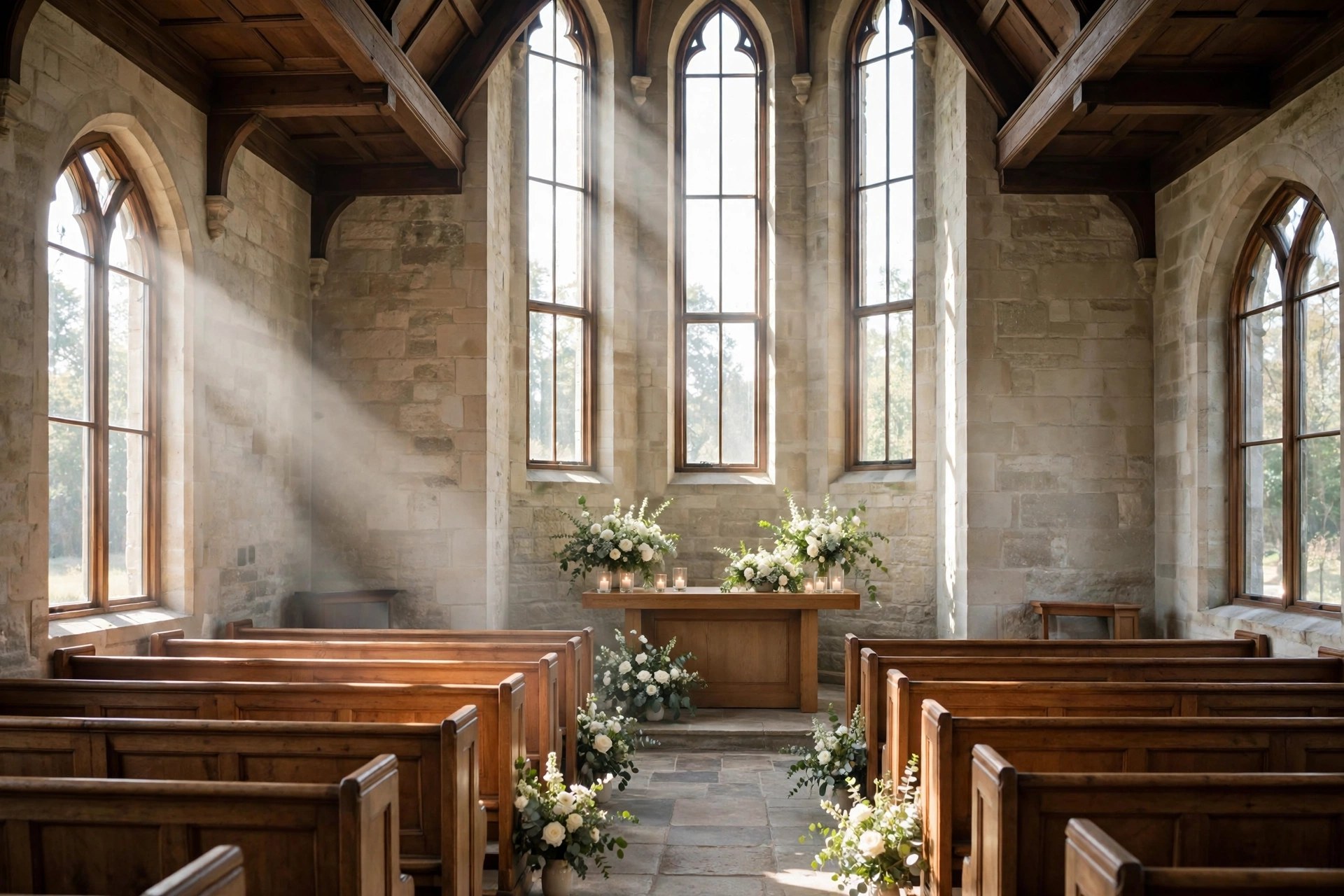
Remembrance ceremonies and holiday services give your email list a meaningful reason to gather.
Community events and professional referral relationships
A funeral home is a community institution, and email is how you act like one. Events and professional updates keep your name present in the community for all the right reasons, and they feed both pre-planning interest and at-need referrals.
Event emails that fill the room
Promote every public event by email: pre-planning seminars, grief support groups, remembrance ceremonies, holiday services of remembrance, and community education talks (estate planning basics with a local attorney, for example). Send a save-the-date three weeks out, a details email one week out, and a reminder the day before. After the event, email attendees a thank-you with photos and the next event date; email no-shows a kind “sorry we missed you” with the highlights and the next invitation. The remembrance events deserve special care: invite served families personally, keep the tone reverent, and never mix a sales message into the invitation. A well-attended annual remembrance ceremony, promoted by email, becomes a community tradition attached to your name.
Staying connected with hospices, clergy, and attorneys
Keep a separate professional list: hospice staff, clergy of all faiths, estate attorneys, hospital social workers, and senior community leaders. Email them quarterly with genuine updates: new staff, new facilities or services, upcoming community events, and useful resources for the families they serve. This is relationship maintenance, not promotion: a hospice nurse who receives your quarterly update and your holiday card remembers your funeral home when a family asks for a recommendation. Invite these professionals to your events and thank them publicly (with permission). In funeral service, the professional referral network is the highest-converting channel there is, and email keeps it warm at almost no cost. When a family later searches for reassurance about choosing a funeral home, a strong review profile helps too; see our guide on how to respond to negative Google reviews for handling the rare difficult review with grace.
Compliance, privacy, and taste
The legal side of funeral home email is straightforward, but the taste side deserves equal attention. In this profession, one careless email travels fast through a small community.
The legal basics
Follow the standard email rules that apply to every business: only email people who opted in, identify your funeral home clearly as the sender, include a physical mailing address, and provide a working unsubscribe link in every marketing email. Honor opt-outs within a few business days and never email someone who asked to stop. Keep marketing emails and transactional service emails separate: confirmations and service details can go to families as part of the arrangement, but newsletters, seminar invitations, and pre-planning content go only to those who agreed to receive them. If you email across state lines, the same federal anti-spam rules apply everywhere in the US. None of this is burdensome; it is simply the written version of the respect you already show in person.
Tone and design rules
Write every email as if the family is reading it on the hardest day of their year, because sometimes they are. Use plain, warm language and short sentences. Avoid exclamation marks, all-caps, and anything that reads like a sale. Keep the design calm: plenty of white space, one clear message per email, no flashing banners or countdown timers. Photographs should be serene: your chapel, your garden, flowers, sunlight through windows. Never use images of caskets, grieving people, or anything designed to provoke emotion. Sign emails from a person, ideally the funeral director, with a real reply address. Test every email by reading it aloud and asking: would I be comfortable if a grieving family read this tonight? If the answer is anything but yes, rewrite it.
Costs, tools, and ready-to-use templates
Email is the least expensive serious marketing a funeral home can do. The costs are a modest software subscription, a few hours of staff time a month, and the one-time work of writing the core sequences. What follows are realistic bands and three templates you can adapt this week.
Three templates to start with
Template 1: pre-planning seminar invitation. Subject: “An invitation: planning ahead, explained simply.” Body: “We are holding a small, no-pressure seminar on pre-planning: what it involves, how funding works, and how to talk with your family about your wishes. There is no sales presentation, just clear answers and time for your questions. [Date, time, location.] Please reply to reserve a seat, or call us at [phone]. Warmly, [Director name], [Funeral home].”
Template 2: thirty-day aftercare check-in. Subject: “Thinking of you.” Body: “Dear [Name], it has been about a month since we said goodbye to [deceased name]. We wanted you to know we are thinking of your family. Many people find the weeks after the service harder than the first days, when support quiets down. If it would help, our grief resource guide is here [link], and our support group meets [details]. You are welcome any time. With care, [Director name].”
Template 3: holiday remembrance invitation. Subject: “You are invited: our annual service of remembrance.” Body: “Dear [Name], the holidays can be especially difficult in the first year. We would be honored if you would join us for our annual service of remembrance on [date] at [time], where we will read the names of those we served this year and light a candle for each. Please reply to let us know you are coming. With sympathy, [Director name], [Funeral home].”
Notice what the templates share: a person’s name, plain language, one clear purpose, and no selling. Adapt the wording to your voice, but keep that structure. For other service businesses running similar retention email, the patterns transfer well; our guide to email marketing for dental offices and email marketing for veterinary clinics show how the same nurture logic works in different settings.
Typical costs
| Item | Typical cost | Notes |
|---|---|---|
| Email software, up to 2,000 contacts | $25 to $75 per month | Choose one with automation and simple templates; the brand matters less than the sequences |
| Template and sequence setup | $300 to $800 one-time | Writing the core aftercare, pre-planning, and event templates, or agency setup |
| Seminar promotion | $200 to $500 per seminar | Small local ads and printed invitations to fill the room |
| Staff time | 2 to 4 hours per month | Writing the monthly email, reviewing replies, updating the list |
| Domain and deliverability setup | $0 to $150 one-time | Proper sending setup so emails reach inboxes, not spam |
| Campaign | Timing | Primary goal |
|---|---|---|
| Pre-planning nurture series | 5 to 7 emails over 2 to 3 months | Turn interest into consultations and pre-arrangements |
| Seminar follow-up | Evening after, 1 week, 3 weeks | Convert attendees into consultations |
| Aftercare sequence | 2 weeks, 30 days, 90 days, 6 months, 1 year | Support families and earn lasting loyalty |
| Grief resource emails | Monthly, plus seasonal | Stay present as a community resource |
| Event invitations | 3 weeks, 1 week, day before each event | Fill seminars, groups, and remembrance ceremonies |
| Professional updates | Quarterly | Keep hospice, clergy, and attorney relationships warm |

Every aftercare email should read as if the director sat down to write it personally.
Your rollout checklist
Build the foundation first, then the sequences, then the calendar. Taste governs every step.
- 1Choose simple email software. Automation, list segments, and easy templates matter more than advanced features. Set up proper sending so emails reach inboxes.
- 2Create the four list segments. Served families, pre-planning prospects, seminar and event attendees, and professional contacts. Separate content for each.
- 3Add opt-ins at every touchpoint. Arrangement paperwork, aftercare surveys, website guide downloads, and event sign-in sheets, all clearly optional.
- 4Write the aftercare sequence. Two weeks, thirty days, ninety days, six months, and the first anniversary. Warm, short, and free of any sales content.
- 5Write the pre-planning nurture series. Five to seven educational emails answering real questions, each ending with a soft consultation invitation.
- 6Build the seminar follow-up. Thank-you the same evening, question answers at one week, personal check-in at three weeks.
- 7Prepare the grief resource library. Five to ten short guides covering the first month, children, holidays, and supporting grieving friends.
- 8Plan the event calendar. Quarterly pre-planning seminars, monthly support groups, and the annual remembrance ceremony, each with its email invitations.
- 9Set the compliance rules. Unsubscribe link in every marketing email, suppression list honored permanently, marketing and service emails kept separate.
- 10Review quarterly. Open rates, consultation bookings, pre-arrangements signed, event attendance, and replies. Keep what families respond to; rewrite the rest.
Frequently asked questions
Is email marketing appropriate for funeral homes?
Yes, when it is done with care. Aftercare check-ins, grief resources, pre-planning education, and event invitations are all things families genuinely appreciate. What is not appropriate is pressure, urgency tactics, or promotional language in the weeks after a loss. Taste is the whole strategy.
How often should a funeral home email its list?
Let automation handle the timed touches: aftercare check-ins, pre-planning nurture, and seminar follow-ups triggered by dates and behavior. Add one thoughtful broadcast a month, such as a grief resource or event invitation. That rhythm keeps you present without ever feeling frequent.
What should a funeral home never put in an email?
Never send promotional or pricing content to a grieving family in the first year after a service. Never use urgency tactics, countdowns, or sales language anywhere. Never share family details without permission. When in doubt, leave it out.
How do I build an email list without seeming pushy?
Offer genuine value in exchange for the address: a pre-planning guide, a grief resource library, seminar registration, event sign-in sheets. Make every opt-in clearly optional and state the purpose plainly. People give their address willingly when they understand what they will receive.
What is a pre-planning nurture sequence?
A series of five to seven educational emails sent over two to three months to someone who showed interest in pre-planning. Each email answers one real question in plain language and ends with a soft consultation invitation. It holds the long conversation most families need before deciding.
What goes into an aftercare email series?
Timed check-ins at two weeks, thirty days, ninety days, six months, and the first anniversary of the service. Each is short and warm, names the deceased correctly, includes one useful grief resource, and contains no sales content whatsoever. Replies get a personal answer.
Do I need permission to email families we served?
For marketing emails, yes: include a clearly optional opt-in on arrangement paperwork or the aftercare survey. Purely transactional service emails are different, but newsletters, seminar invitations, and pre-planning content require consent. When a family opts out, honor it permanently.
What email tool should a funeral home use?
Any reputable tool with automation, list segments, and simple templates. The sequences matter far more than the brand. Make sure it supports proper sending setup so your emails reach inboxes, and that unsubscribes are handled automatically.
How do I measure whether the emails are working?
Track what matters: consultation bookings from the pre-planning series, pre-arrangements signed, seminar attendance, event turnout, and replies to aftercare emails. Open rates are a secondary signal. One signed pre-arrangement can justify a year of the program.
Should a funeral home send holiday emails?
A thoughtful holiday message is welcome if it acknowledges that the season is hard for grieving families and offers something genuine, like coping suggestions or an invitation to a remembrance service. Avoid cheerful generic greetings; meet families where they are.
Bring care and consistency to every family relationship
Digital Hayder builds email systems for funeral homes: aftercare sequences, pre-planning nurture, grief resource libraries, and event promotion, all written with the taste your profession demands. Tell us about your funeral home and we will design the program around your families.
Contact Us