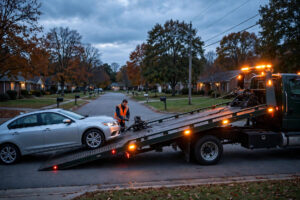
Around 1 a.m. on a cold Tuesday, a homeowner in your service area searches “locksmith near me” on her phone. She is locked out, it is dark, and she has about ninety seconds of patience. She taps the first result with strong reviews and a call button, and thirty minutes later a competitor’s van pulls into her driveway. That job was worth $120 to $180, and you never had a chance because she never saw your name. That is the whole story of locksmith marketing: most of your revenue comes from people who need you right now, in their neighborhood, and they pick the company they find and trust fastest. This guide is the complete playbook for winning those moments: Google Business Profile, reviews, Local Services Ads, Google Ads, local SEO, a website that converts, social media, referral partnerships, and direct mail, with real cost bands and realistic timelines for each channel.
The quick answer
- Emergency demand wins: most locksmith revenue comes from lockouts and urgent calls. Be findable and callable in under a minute.
- Google Business Profile plus reviews: your free listing and star rating decide most “near me” picks. Optimize both before spending a dollar on ads.
- Local Services Ads: pay per lead with a Google-screened badge at the top of results. Expect $20 to $45 per lead in most markets.
- Google Search Ads: bid on emergency keywords. Clicks run $15 to $40 in metro areas; track cost per booked job, not cost per click.
- Website that converts: click-to-call, service-area pages, clear price ranges, fast loading. Scheduled jobs and commercial work come from here.
- Partnerships and referrals: property managers, realtors, and past customers feed steady non-emergency work at nearly zero cost.
Why locksmith marketing is different from other trades
Most trades sell planned work. Nobody plans a lockout. Roughly half to two-thirds of a typical residential locksmith’s jobs start with an urgent search on a phone, often late at night or early in the morning, from someone standing outside their own home or car. The buyer does almost no research: they scan the top few results, check the star rating, and call. Whoever answers first usually gets the job. That changes every marketing decision you make. Brand awareness matters less than presence at the exact moment of need. A beautiful logo never saved a 2 a.m. lockout; a top-three map listing with 4.8 stars and a tap-to-call button did.
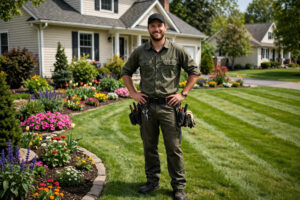
The second difference is trust. You are asking a stranger to let you open their home, their car, or their business. Reviews, a real business name, photos of real technicians and marked vans, and a Google-screened badge carry more weight here than in almost any other trade. The third difference is the job mix. Emergency lockouts pay well per job but come in bursts. Rekeys, lock changes, smart lock installs, and commercial work are planned, shopped around, and won through your website, partnerships, and reputation. A complete marketing plan covers both: win the urgent calls tonight, and build the pipeline for the planned work that keeps the schedule full between emergencies.
Google Business Profile: your highest-value free asset
Your Google Business Profile is the single most important marketing asset a locksmith owns. It is free, it shows up in the map pack for “locksmith near me” searches, and it carries your reviews, hours, phone number, and photos exactly where panicked searchers look. Treat it like a second website, not a directory listing you set up once and forgot.
Fill every field that a locked-out customer checks
Start with the basics done properly: the exact business name you answer the phone with, a local phone number, and service areas that match where you actually dispatch (list the towns and neighborhoods by name). Choose “Locksmith” as the primary category and add secondary categories that fit real services: “Emergency locksmith service,” “Car locksmith,” and “Safe repair service” where true. Never stuff keywords into the business name; it violates policy and risks suspension, which is a death sentence for a locksmith. Write the business description in plain language covering what you do, your service area, and your hours, including whether you run 24/7 dispatch. Add all services with short descriptions and price hints: emergency lockout service, house lockout, car lockout, rekeying, lock replacement, smart lock installation, key duplication, safe opening, and commercial lock services. Each service you list is another phrase you can appear for.
Photos, hours, and the details that win the tap
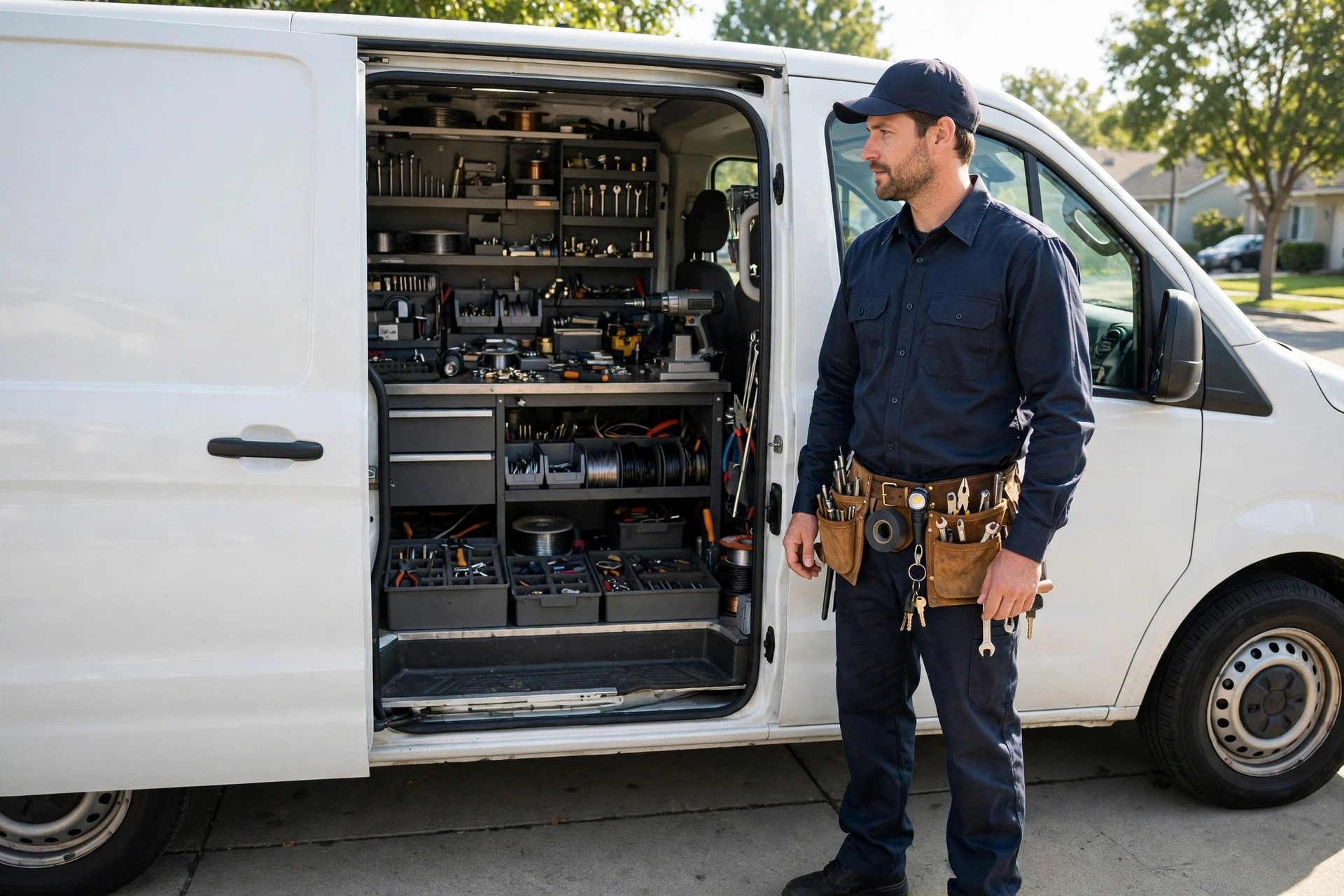
Upload real photos: your van, your technicians in uniform, your tools, your storefront or workshop if you have one, and before-and-after shots of lock installs. Profiles with real photos get noticeably more calls than stock-photo profiles because they answer the trust question instantly. Set your hours honestly. If you answer the phone around the clock, mark yourself open 24 hours; if you do not, set real hours and use the “open now” signal to your advantage during the day. Turn on messaging and the booking or quote features if you can staff them, and answer fast. Add the Q and A section yourself before strangers do: “Do you damage the door when opening it?” “How much does a house lockout cost?” “Can you make a car key without the original?” Seed five to eight common questions with short, honest answers. Post a Google update once or twice a month: a seasonal tip (rekey after moving, check smart lock batteries before winter), a new service, or a community note. Posts do not rank you directly, but an active profile looks alive to the person choosing between you and a competitor.
Google reviews: the trust engine that decides the call
When two locksmiths sit side by side in the map pack, the one with more reviews and a higher rating gets the call the large majority of the time. For a trade built on letting strangers into homes, reviews are not a nice extra; they are the product. Aim for a steady flow rather than a burst: ten new reviews a month beats fifty once a year, because recency signals to both Google and customers that you are active and reliable.
The review request script that actually gets used
The best time to ask is at the door, right after the job is done and the customer is relieved. Your technician’s script should be short and specific: “If the service was good, a Google review really helps our small business. I can text you the link right now.” Then the text goes out within minutes, while the relief is fresh, with a direct link and no friction. Automate the follow-up: one text the same evening with the link, one gentle reminder two days later to anyone who did not leave one, then stop. Asking a third time annoys people. Make it a company habit, not a favor: tie a small bonus or team goal to review volume so every tech asks every time. Target a 4.7 rating or higher with triple-digit review counts in competitive markets; below 4.5 stars you start losing the side-by-side comparison to competitors, and below fifty reviews you look unproven.
Ask for the review at the door right after the job, then follow up by text the same evening.
Respond to every review, especially the bad ones
Reply to every review within a day or two. Thank the happy customers by name and mention the service: “Thanks, Maria. Glad we got you back inside quickly.” For negative reviews, stay calm, stay short, and take it offline: acknowledge the experience, apologize for the frustration without admitting fault on specifics, and invite them to call you directly with your name and number. Never argue in a public reply; the reply is written for the next hundred readers, not the reviewer. A thoughtful response to a one-star review can win you more business than the review costs you, because it shows how you handle problems. Watch for fake competitor reviews and report clear policy violations through your profile, but do not expect fast removals. The real defense is volume: a hundred genuine reviews bury one unfair one.
Local Services Ads: pay per lead at the top of Google
Local Services Ads sit above everything else on a locksmith search: the Google-screened badge, your rating, your review count, and a call button, before the map pack and before regular ads. For emergency trades, this placement is gold. You pay per lead, not per click, which means you are buying phone calls and messages, not website visits.
How LSA works for locksmiths and what it costs
Getting in requires verification: business license where applicable, insurance, and background checks for the owner and technicians. The process takes one to four weeks, so start it before you need the leads. Once live, you set job types (lockout, rekey, lock install, car keys) and service areas, and Google shows your ad when it matches a searcher. Lead costs for locksmiths typically run $20 to $45 per lead in most US markets, higher in big metros. Not every lead is good: wrong numbers, price shoppers who never book, and out-of-area calls happen. Google lets you dispute invalid leads for credit, and you should review every lead weekly and dispute aggressively but honestly. Track your booking rate from LSA leads; a healthy operation books 50 to 70 percent of valid leads. Below 40 percent, the problem is usually speed: LSA rewards the fastest answer, so route these calls to whoever picks up first, day or night.
Keeping your LSA profile healthy
Your LSA ranking leans heavily on review count, rating, and responsiveness. Keep the review flow running, answer every lead fast, and keep your hours accurate so Google sends you calls you can actually take. Pause or narrow service areas during vacations or staff shortages rather than missing calls; unanswered leads hurt your placement. Set a weekly budget cap you can live with and raise it only when your booking rate proves the leads convert. Many locksmiths find LSA their single best-paid channel within the first month, because the intent is as hot as search gets: someone locked out, right now, tapping a screened badge.
Google Search Ads: buying the emergency keywords
Search ads put you at the top for the exact phrases panicked customers type. They cost more per click than almost any other local trade, but the jobs they produce are urgent, local, and high-converting when the campaign is built right. The key discipline is tracking cost per booked job, not cost per click or even cost per call.
Keyword strategy: emergency first, planned second
Split campaigns by intent. The emergency campaign targets lockout and urgent phrases: “locked out of house,” “locksmith near me,” “emergency locksmith,” “car lockout service.” These convert fastest and justify the highest bids. The car key campaign targets “car key replacement,” “key fob programming,” and make-specific searches; these jobs have high ticket values. The planned-work campaign targets “rekey locks cost,” “change locks on house,” “smart lock installation,” and “commercial locksmith”; clicks are cheaper and the jobs are scheduled during business hours. Use phrase and exact match, add negative keywords aggressively (jobs, salary, DIY, “how to pick a lock,” free), and geo-target tightly to your real dispatch area. A locksmith in the suburbs bidding on downtown clicks they cannot reach in time is burning money.
Budgets, cost per call, and ad copy that wins the click
Expect clicks of $15 to $40 for emergency terms in metro areas, $8 to $20 in smaller markets. A starting budget of $1,000 to $2,500 a month is realistic for a single-van operation; multi-van companies in competitive metros often spend $3,000 to $8,000. Run call-only ads and call extensions so a locked-out searcher can tap and dial without loading a page. Your ad copy should answer the three questions in their head: how fast (“30-minute response”), how much (“lockouts from $75”), and can I trust you (“licensed, 4.9 stars, 500+ reviews”). Use call tracking numbers so every call is recorded and attributed; listen to a sample weekly to check how your team handles them. If your team misses calls after hours, pair ads with an instant text-back system so no paid click dies in voicemail. Our guide to missed-call text-back for locksmiths covers exactly that safety net.

Speed wins paid leads. Route emergency calls to whoever picks up first, day or night.
Local SEO: the website and map pack work that compounds
Paid channels rent you the top of the page. Local SEO earns it, and once earned it keeps producing calls without a per-click meter running. For locksmiths this means two things: ranking in the map pack for your core towns, and a website that turns the visitors from every channel into booked jobs.
Service pages that rank in each town you serve
Build one page per core service per main service area: “Emergency Locksmith in [Town],” “Car Key Replacement in [Town],” “Rekeying Services in [Town].” Each page needs genuinely local content, not the same paragraph with the town name swapped: mention neighborhoods, typical response times from your base, local landmarks for orientation, and real job photos from that area. Thin duplicated pages do not rank and can hurt you. Add a services hub, an about page with real technician photos and your story, and a pricing guide page with honest ranges (more on that below). Keep your name, address, and phone number identical everywhere they appear online; inconsistent listings confuse Google and cost you map pack positions. Build citations on the major directories and data aggregators, then stop chasing hundreds of obscure ones: quality and consistency beat quantity.
A website built to convert a panicked visitor in seconds
Your website has one job for emergency traffic: get the call. Put a sticky click-to-call button on every page, visible without scrolling on a phone. Show your phone number in large type, your service area, and your hours. Add trust signals above the fold: star rating, review count, license info, and “average response time” if you can stand behind it. The pricing page is the page most locksmiths are afraid to write and most customers want to read: publish honest ranges (“house lockouts typically $75 to $150 during business hours, $100 to $200 after hours”) instead of “call for a quote.” Transparent ranges pre-qualify callers, cut price-shopping calls, and build trust before you arrive. Make the site load in under three seconds on a phone; a locked-out customer on weak signal will not wait. An AI chat widget that answers common questions and captures the caller’s number when you are on another job pays for itself quickly; see our guide to AI chatbots for locksmiths for how shops set this up.
| Channel | Typical cost per booked job | Time to first calls | Best for |
|---|---|---|---|
| Google Business Profile + reviews | $0 | 2 to 6 weeks of steady work | Free map pack visibility and trust |
| Local Services Ads | $35 to $75 | Days after verification | Emergency calls with a Google-screened badge |
| Google Search Ads | $50 to $120 | Days | High-intent lockout and car key searches |
| Local SEO + website | $500 to $2,500 setup, then low ongoing | 3 to 6 months | Compounding organic and map pack calls |
| Social media | $0 to $300 a month | 1 to 3 months | Familiarity and planned-work leads |
| Referral partnerships | Near $0 | 1 to 3 months of outreach | Steady rekeys and commercial work |
| Direct mail | $0.50 to $1.50 per piece mailed | 4 to 8 weeks | New-mover and neighborhood saturation |
Social media and community presence
Social media will not fill your schedule with 2 a.m. lockouts. That is not its job. Its job is familiarity: when someone needs a locksmith, they call the name they have seen around town. For a local trade, a modest, consistent presence beats a viral strategy every time.
Facebook and Nextdoor: the two that matter
Facebook is where your service area lives online. Keep a complete business page with your hours, service area, phone number, and reviews synced. Post two to three times a week: completed jobs (with permission), tips, community involvement, and occasional offers. Boost posts to your service-area zip codes for $50 to $150 a month; you are buying familiarity, not clicks. Nextdoor is the quiet giant for locksmiths: neighbors ask neighbors for tradespeople constantly, and a well-reviewed local business gets recommended on autopilot. Claim your free business page, keep it current, and respond when neighbors tag you. One strong Nextdoor presence in a suburb can produce a steady trickle of rekeys and lock changes from people who trust neighbor recommendations more than ads.
Content ideas that build familiarity without much effort
Film short clips of real work: opening a tricky lock, installing a smart deadbolt, cutting a car key. Thirty seconds of a technician explaining “why your deadbolt sticks in summer” outperforms any stock graphic. Post seasonal reminders: rekey after moving, check smart lock batteries, upgrade to bump-resistant locks. Share community moments: sponsoring a youth team, helping at a neighborhood event, or a quick “we are hiring” post that shows growth. Keep it real and local; nobody follows a locksmith for polished brand content, but plenty of people remember the shop whose tech they have seen helping neighbors on video. For broader trade marketing tactics that transfer well, see our plumber marketing ideas guide.
Referrals, partnerships, and direct mail
The cheapest jobs you will ever book come from people who already trust you. Referral and partnership marketing is slow to start and then quietly becomes the steadiest part of the business, especially for planned work like rekeys, master key systems, and commercial accounts.
Property managers, realtors, and other key partners
Property managers are the best partners a locksmith can have: every tenant turnover means rekeys, every eviction means lock changes, and they call the same vendor every time. Introduce yourself in person with a one-page sheet: services, response times, pricing for standard rekeys, and a direct cell number. Offer priority dispatch and net-15 billing; managers pay for reliability, not the lowest bid. Realtors need lockbox installs, rekeys for new buyers, and smart lock upgrades before listings go live. Insurance agents and auto dealers are natural car-key partners. Apartment complexes, storage facilities, and small commercial landlords all need scheduled lock work. Work ten to twenty of these relationships seriously and they will feed you weekly jobs with zero ad spend. Track where each job came from so you know which partners to nurture.
Direct mail that actually gets kept
Direct mail works for locksmiths in two specific cases: new movers and neighborhood saturation. New-mover lists let you reach people in the exact week they need rekeys; a simple oversized postcard with “Just moved? Rekey from $19 per lock” and a clear phone number pulls well. For saturation, mail a tight radius around your shop or around a recent job cluster: “Your neighbor on Maple Street just upgraded to smart locks.” Keep the piece simple, one offer, one phone number, and mail the same area three to four times over a few months; repetition is what makes mail work. Expect $0.50 to $1.50 per piece all-in for design, print, and postage at small-business volumes. Track it with a dedicated phone number or a simple offer code so you know what it produced.
Ask every happy customer for the next one
The referral ask for a locksmith is easy because the relief is fresh: “Glad we got you in. If you know anyone moving soon, we do rekeys too. Here is a card.” Leave two business cards, not one. Follow up past customers once or twice a year with a useful touch: a smart-lock battery reminder, a “time to rekey?” note for landlords, or a holiday card from a local shop. Past customers who needed you once will call you again and send friends, but only if they remember your name. A simple email or text list of past customers, contacted a few times a year with something useful, is the highest-return marketing asset most locksmiths never build.
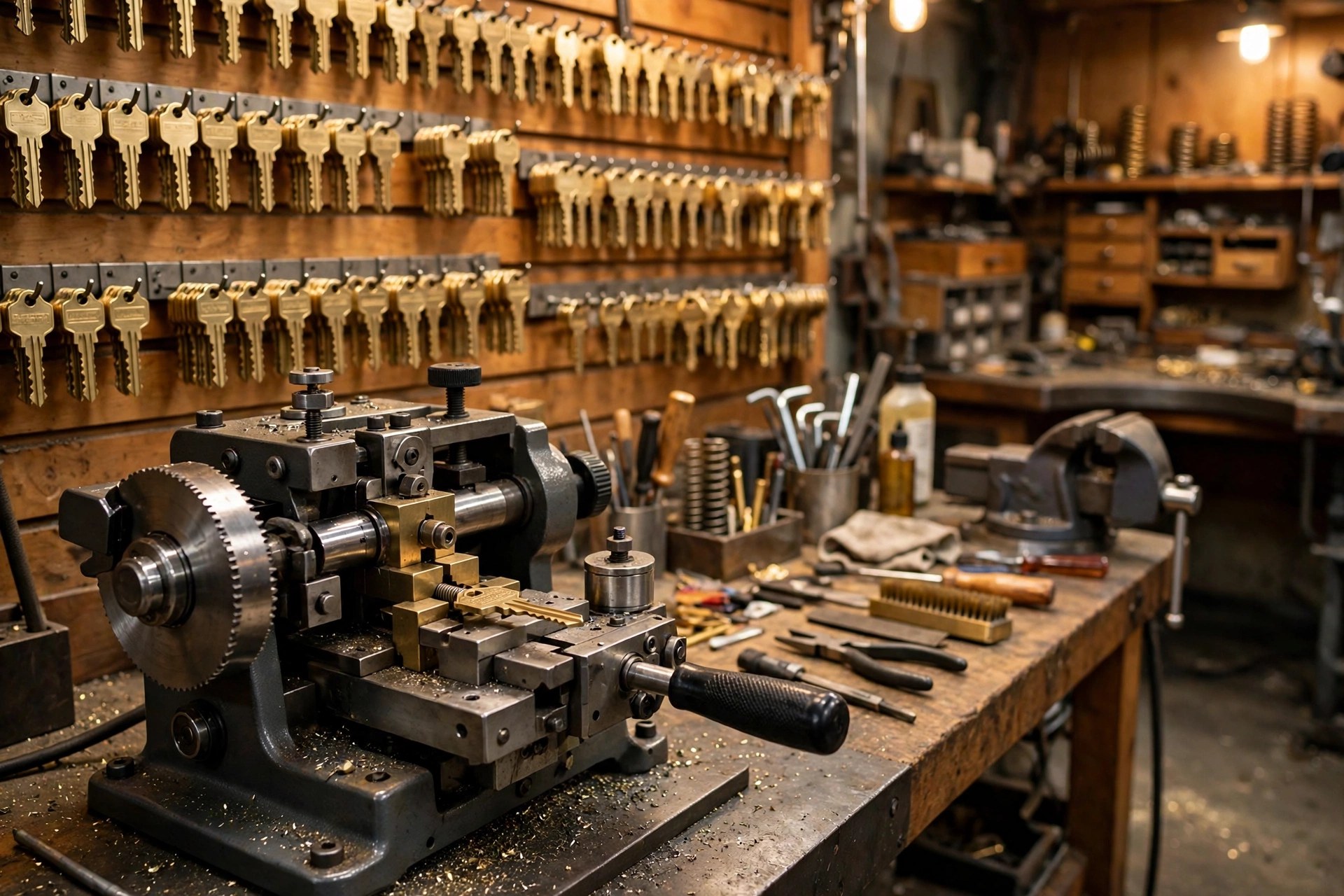
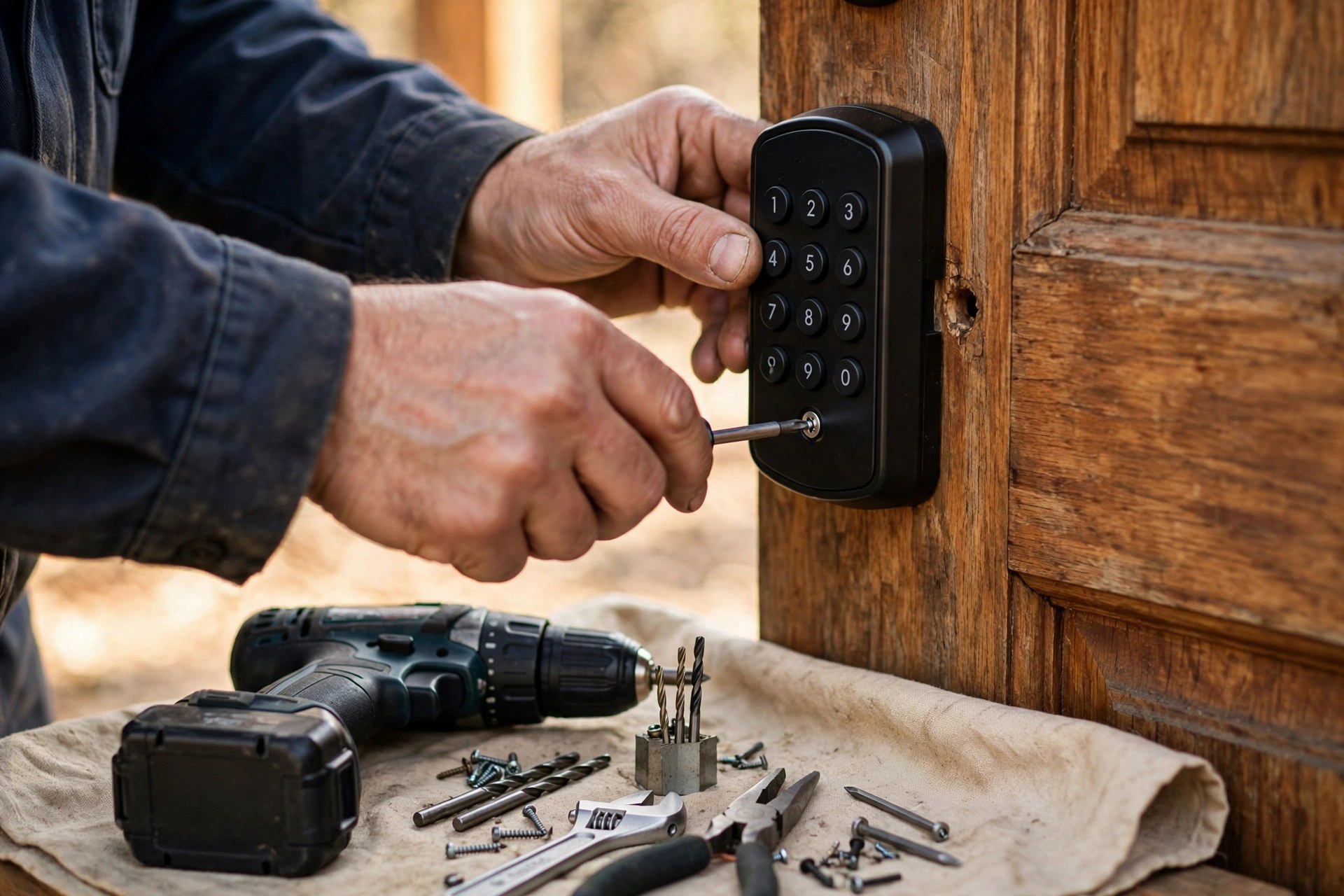
In-shop services like key cutting and smart lock sales add planned revenue between emergency calls.
Pricing, timelines, and what to expect per channel
Set expectations by channel so you do not kill a good strategy in week three. Local Services Ads and Google Ads produce calls within days of launch; judge them on cost per booked job after thirty days, not on day three. Google Business Profile optimization and review building show movement in two to six weeks and keep improving for months. Local SEO is a three to six month investment before the map pack moves in competitive markets. Social media and partnerships are measured in months, and direct mail needs three to four touches before you judge it. A realistic first-year budget for a one to two van operation runs $1,500 to $4,000 a month all-in, weighted toward the channels that produce calls fastest, then shifting spend toward the compounding channels as they mature.
| Keyword type | Example searches | Typical cost per click | Intent |
|---|---|---|---|
| Emergency lockout | locked out of house, locksmith near me, emergency locksmith | $15 to $40 | Urgent, books fast |
| Car key | car key replacement near me, key fob programming | $12 to $30 | Urgent, high ticket |
| Rekey and lock change | rekey locks cost, change locks on new house | $8 to $20 | Planned, shops around |
| Smart lock install | smart lock installation, keypad deadbolt install | $8 to $18 | Planned, upsell-friendly |
| Commercial | commercial locksmith, master key system, access control | $15 to $35 | B2B, recurring |
Common mistakes that waste a locksmith’s budget
The most expensive mistake is paying for calls you cannot answer. Ads running at 2 a.m. with nobody picking up just fund Google. Either staff the phones or add an instant text-back so every missed call gets a reply in seconds. The second mistake is a service area wider than your dispatch reality: bidding on towns forty minutes away produces angry customers and bad reviews when you arrive late. The third is hiding prices entirely; “call for quote” on every page sends shoppers to the competitor who published ranges. The fourth is treating reviews as optional. In a trust trade, a thin review profile is a silent tax on every other channel: your ads get fewer clicks, your map listing gets skipped, and your cost per job rises. The fifth is the fake-location trap: virtual addresses and keyword-stuffed business names eventually get suspended, and recovery takes months. Build on real locations, real names, and real reviews.
Your rollout checklist
Work the checklist in order. The free trust channels come first because they raise the conversion rate of everything after them.
- 1Claim and complete your Google Business Profile. Correct name, local phone number, real service areas, all services listed with descriptions, real photos of vans and techs, honest hours.
- 2Start the review engine. Tech script at the door, text with the link within minutes of every job, one reminder two days later, replies to every review.
- 3Apply for Local Services Ads. Begin verification now; it takes one to four weeks. Set job types and tight service areas before launch.
- 4Fix the phones. Route emergency calls to whoever answers first, add after-hours coverage or an instant missed-call text-back, and record calls for quality.
- 5Launch Google Search Ads. Emergency campaign first, car keys second, planned work third. Tight geo-targeting, aggressive negatives, call tracking on every number.
- 6Publish honest price ranges on your website. Lockout, rekey, car key, and smart lock ranges. Add sticky click-to-call and get load time under three seconds on phones.
- 7Build town service pages. One real, locally written page per service per core town. Fix name, address, and phone consistency across directories.
- 8Start partnership outreach. Visit ten property managers and five realtors in person with a one-page sheet, direct number, and priority-dispatch offer.
- 9Claim Nextdoor and post on Facebook weekly. Real job clips, seasonal tips, community posts. Small boosts to your zip codes.
- 10Review the numbers monthly. Cost per booked job by channel, booking rate on paid leads, review velocity, map pack position in core towns. Shift budget to what books.
Frequently asked questions
How much should a locksmith spend on marketing per month?
A one to two van operation typically spends $1,500 to $4,000 a month all-in, weighted toward Local Services Ads and Google Ads early, then shifting toward SEO and partnerships as those mature. Start with the free channels (profile, reviews) so paid spend converts better from day one.
Are Local Services Ads worth it for locksmiths?
For most shops, yes. The Google-screened badge sits above all other results, you pay per lead rather than per click, and lead costs of $20 to $45 are reasonable against $120 to $200 jobs. The catch is speed: you need to answer fast and dispute invalid leads weekly.
How long does local SEO take for a locksmith?
Expect three to six months of steady work before map pack movement in competitive markets: completed profile, review velocity, town service pages, and consistent citations. Less competitive towns can move in six to ten weeks. It compounds, so the earlier you start, the better.
How do I get more Google reviews for my locksmith business?
Ask at the door right after every job when relief is fresh, text the review link within minutes, send one reminder two days later, and reply to every review. Tie it to a team goal so every technician asks every time. Ten new reviews a month beats fifty once a year.
What keywords should a locksmith bid on in Google Ads?
Emergency terms first (locked out of house, locksmith near me, emergency locksmith), car key terms second (car key replacement, key fob programming), planned terms third (rekey locks cost, smart lock installation). Add negatives like jobs, DIY, and free, and geo-target tightly.
Do locksmiths need a website, or is a Google Business Profile enough?
You need both. The profile wins the emergency tap, but the website wins planned work, commercial accounts, and shoppers comparing options. It also gives your ads somewhere to send traffic and your price ranges a home. Keep it fast, phone-first, and honest about pricing.
How do I handle fake or spam locksmith listings outranking me?
Report clear policy violations through Google’s redressal channels, but do not rely on removals. The durable defense is outpacing them on the ranking factors you control: real reviews, real photos, real service-area content, and a verified LSA badge that fakes cannot easily get.
What is the best social media platform for a locksmith?
Facebook and Nextdoor. Facebook covers your service area with cheap familiarity-building posts and boosts; Nextdoor captures neighbor-to-neighbor recommendations, which convert extremely well for trust trades. Post real job clips and local tips, not stock graphics.
Should I advertise 24/7 emergency service?
Only if you truly answer around the clock. Advertising 24/7 with nobody picking up burns ad spend and earns one-star reviews from angry callers. If you cannot staff nights, set honest hours and use an instant text-back so no after-hours call goes silent.
How do I track which marketing channel brings each call?
Use call tracking numbers: one for Google Ads, one for LSA if supported, one for the website, one for direct mail. Ask every caller “how did you hear about us” and log it. Review cost per booked job by channel monthly and shift budget to what books.
Win the calls your competitors are getting now
Digital Hayder builds locksmith marketing systems: Google Business Profile optimization, review engines, Local Services Ads and Google Ads management, converting websites, and missed-call text-back so no emergency call goes unanswered. Tell us about your service area and we will map the fastest path to more booked jobs.
Contact Us