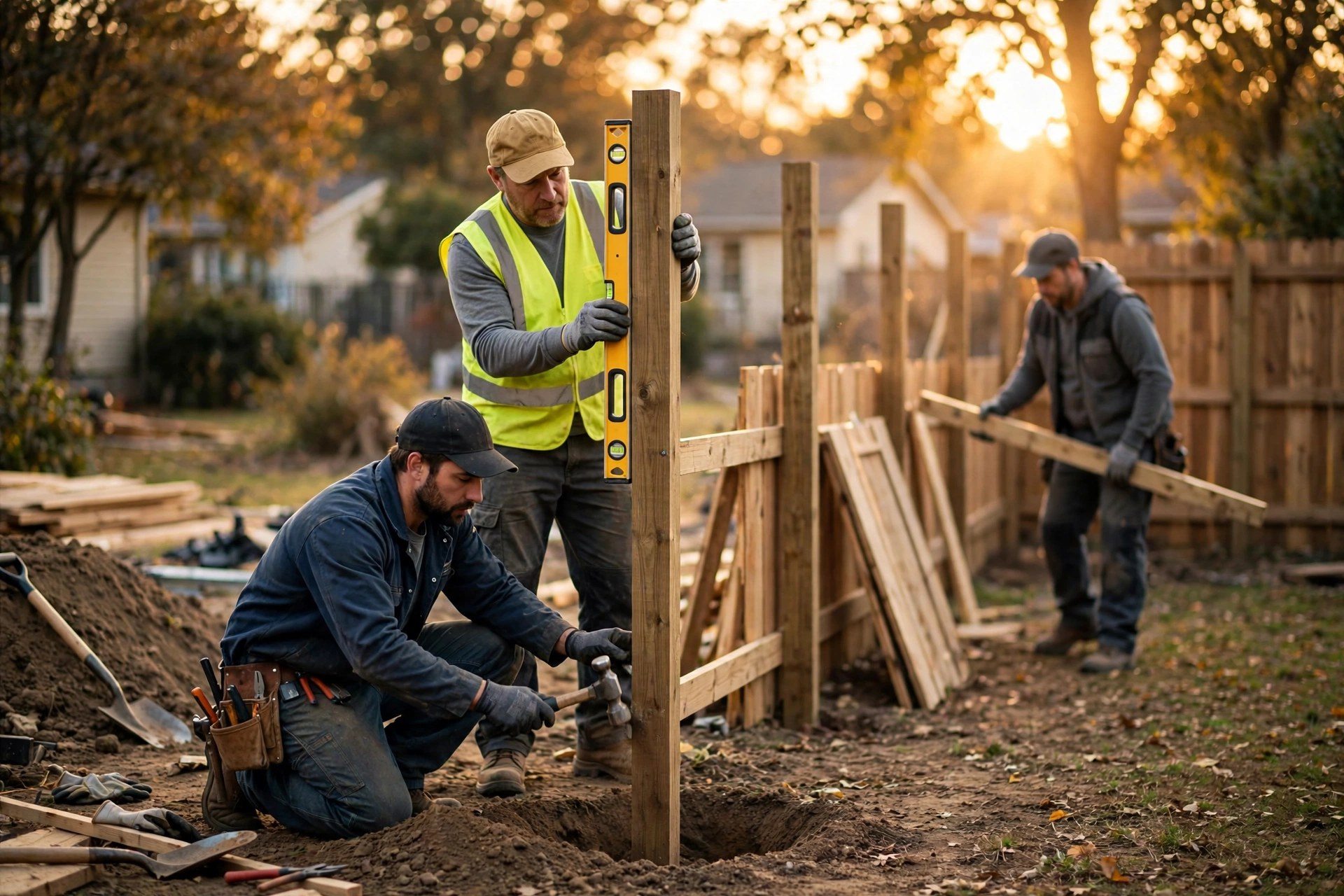
It is Friday at 9:40 PM. A homeowner just finished measuring her backyard and decides tonight is the night to get fence quotes. She finds your website, clicks through the gallery, and looks for a way to reach you. The contact form says someone will respond Monday morning. The phone number goes to voicemail because your crew, and your office, are done for the week. She opens the next fencing company on Google, where a chatbot answers in ten seconds and books her a free estimate for Tuesday morning. That job, a $7,000 cedar privacy fence, is now theirs. Fence companies live on quote requests, and most of them arrive when nobody is available to answer. This guide shows how an AI chatbot for fencing companies captures those requests around the clock: how it qualifies the job, collects photos and property details, books the estimate visit, and trains on your services and pricing, plus what setup looks like and what it costs.
The quick answer
- Qualify before you quote: the chatbot asks material type, linear footage, gates, and terrain before anyone’s time is spent.
- Photos replace the phone tag: it collects yard photos and property details so the estimator arrives prepared.
- Booking on the spot: it offers open estimate slots and books the visit while the homeowner is engaged.
- After-hours is the main event: roughly half of quote requests arrive outside office hours, and the chatbot never misses them.
- Trained on your pricing: it answers ballpark questions from your real per-foot bands, with clear handoff rules for firm quotes.
- Realistic cost: most fencing companies pay $150 to $450 a month plus a one-time setup, usually recovered by a single booked job.
Why fence companies lose quote requests
Installing fences is outdoor, physical, all-day work. When the crew is on a job, the phone rings unanswered and the contact form fills up for later. Later rarely comes fast enough. Sales research has repeatedly found that the first company to respond wins a huge share of jobs, and that responding within five minutes makes a lead far more likely to convert than responding even an hour later. In fencing, the gap is worse than in most trades because a large share of quote requests arrives in the evening, when homeowners finally sit down to research, and on weekends, when they walk the property line and decide. A fencing company that only answers during office hours is effectively closed during the hours customers are shopping.
The chatbot fixes the timing problem. It lives on the website and answers instantly, day or night. It plays the intake role every growing fence company wishes it had: friendly, fast, consistent, and available at 11 PM on a Sunday when the spring rush is on.
What the chatbot should ask every visitor
A good fencing chatbot is a qualification machine. Fence jobs vary enormously in scope, and the difference between a useful quote request and a vague one is about six questions. The chatbot should ask them conversationally, in a natural order, without making the homeowner feel interrogated. Each answer gets stored with the lead so the estimator can quote confidently on the first visit.
The qualification flow
Start with the fence material: wood, vinyl, chain link, aluminum, or split rail. That single answer sets the price conversation, since materials swing the job cost more than anything else. Next, ask about the purpose: privacy, a pool, pets, or a property line. Purpose drives the recommended height and style, and it tells the estimator what the customer actually cares about. Then linear footage, or enough information to estimate it: lot size, which sides of the yard need fencing, and whether there is an existing fence to remove. Ask about gates and how many, because gates add real cost and are often forgotten. Finally, ask about the timeline: this week, this month, or just planning. Timeline tells the office which leads get called first and which can wait.
Photo and property detail collection
Photos change the quality of a fence estimate dramatically. The chatbot should request three quick photos: the yard from the back door, the property line where the fence will run, and any slope, trees, or obstacles in the way. It should also ask for the property address or ZIP so the office can check service area and look up the lot on satellite view before the visit.

Most fence quotes are researched at night. The chatbot qualifies the job while the homeowner is still interested.
Booking the estimate visit while they are engaged
Qualification without booking is just a nicer contact form. The moment that matters is when the homeowner has answered the questions. That is when the chatbot should offer two or three open estimate slots from the real schedule. “We have a free estimate slot Tuesday between 10 and 12, or Thursday afternoon. Which works for you?” Once they pick, the chatbot confirms the name, phone, and address, adds the job summary to the booking, and sends a confirmation text. The booking should land in the same calendar and CRM the office already uses, so there is no double entry and no missed visit.
The system sends an automatic reminder the evening before and the morning of each visit, with the estimator’s name and a one-tap way to reschedule. Every no-show is a burned hour of drive time, so a chatbot that books and confirms is protecting the estimator’s calendar as much as it is capturing leads.
After-hours and emergency repair capture
Not every fencing inquiry is a new install. Storms knock down panels, a gate post rots out, a tree takes out a section of chain link. These repairs are urgent, and the homeowner is not going to wait until Monday to find someone. The chatbot should separate repair requests from new installs immediately and treat them with higher priority: capture photos of the damage, confirm the address, and offer the soonest available repair slot or an on-call callback. Even if the repair visit is scheduled for the next morning, the customer has been captured instead of calling a competitor at midnight.
After-hours capture also covers the pure browsers. A homeowner comparing companies at 10 PM should get answers to the common questions, price ranges for each fence type, and a booked morning estimate without touching a phone. The chatbot is the showroom that stays open all night.
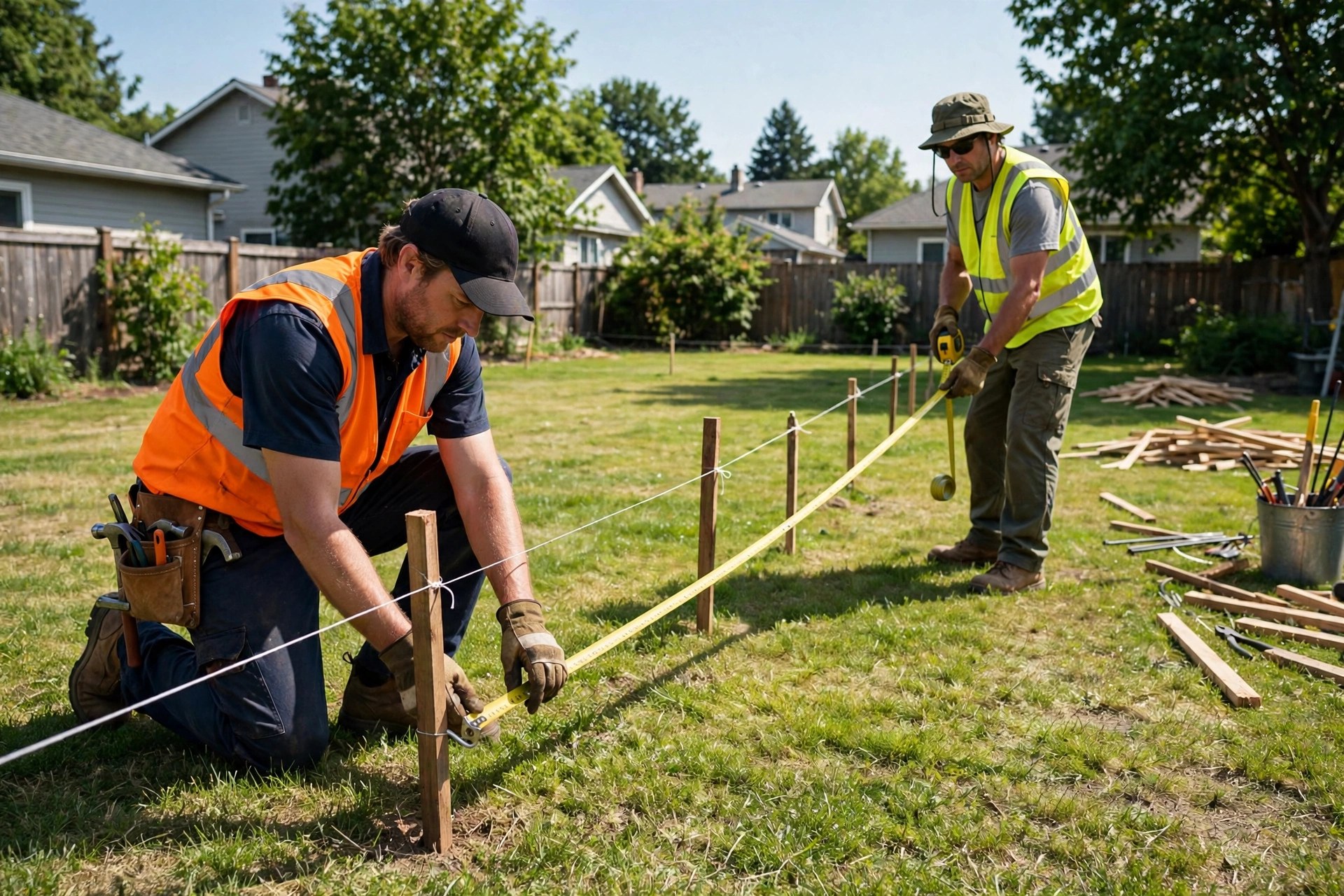
A qualified, photo-backed lead lets the estimator arrive ready to quote, not just to measure.
Training the chatbot on fencing services and pricing
The chatbot is only as good as what it knows. Training means loading your real service list, your real price bands, your real service area, and your real process. It should know every fence type you install, what each costs per linear foot, what a typical residential job runs, and how long installs usually take. It should know your permit process and your warranty. And it should know exactly when to stop answering and hand off: when someone asks for a firm fixed quote, the chatbot books the estimate instead of guessing.
Price bands need honest, conservative ranges. A homeowner asking “what does a wood fence cost” should get something like: “Most of our wood privacy fences run $25 to $60 per linear foot installed, so a typical 150-foot backyard job lands between $3,500 and $8,000 depending on height, style, and terrain.” That answer is useful without being a commitment, and it sets expectations before the estimator arrives.
| Fence type | Installed cost per linear foot | Typical residential job | Notes |
|---|---|---|---|
| Wood privacy | $25 to $60 | $3,000 to $9,000 | Cedar costs more than pressure-treated pine; staining adds to the total |
| Vinyl privacy | $35 to $70 | $4,500 to $12,000 | Higher upfront cost, near-zero maintenance, strong in the suburbs |
| Chain link | $10 to $25 | $1,500 to $4,500 | Cheapest option; privacy slats add cost |
| Aluminum or ornamental | $30 to $65 | $4,000 to $10,000 | Common around pools and front yards |
| Split rail | $15 to $35 | $2,000 to $6,000 | Popular for large rural and semi-rural lots |
What a chatbot costs a fencing company
Chatbot pricing for a small fence company typically falls into three parts. There is a one-time setup and training fee, usually $1,000 to $3,000, covering the build, the qualification flow, the calendar connection, and loading your pricing and service area. There is a monthly platform fee, usually $150 to $450, covering hosting, maintenance, and ongoing training updates. Some providers charge per qualified lead instead, typically $20 to $60 per lead, which can work for companies that want costs tied to results but gets expensive fast during the spring rush.
Watch for the hidden costs: integrations with your CRM or scheduling tool, SMS charges for confirmations and reminders, and fees for rebuilding the flow when you add services. A plain monthly plan with SMS included is usually the cleanest deal for a company doing 10 to 40 installs a month. Compare any quote against the math in the callout below, because for most fencing companies the numbers are not close.
Your rollout checklist
Plan on two to three weeks from kickoff to a trained chatbot on your live site. The steps below are the order that works.
- 1Map the qualification questions. Lock in the six or seven questions every quote request must answer: material, purpose, footage, gates, timeline, photos, address.
- 2Write down real price bands. Give the chatbot your honest per-foot ranges for every fence type so ballpark answers match your real quotes.
- 3Connect the calendar and CRM. Estimate bookings should land in the real schedule with the job summary attached, not in a separate inbox.
- 4Build the after-hours flow. Separate repair requests from new installs, capture damage photos, and offer the soonest slot or callback.
- 5Set the handoff rules. Define exactly when the chatbot stops and books a human: firm quotes, permit questions, commercial jobs, anything unusual.
- 6Turn on confirmations and reminders. Automatic texts the evening before and the morning of each estimate, with a one-tap reschedule link.
- 7Test with real conversations. Run twenty mock chats as different customers before launch, and fix every wrong or vague answer.
- 8Review weekly for the first month. Read the transcripts, tighten the questions, and update pricing and availability as the season changes.
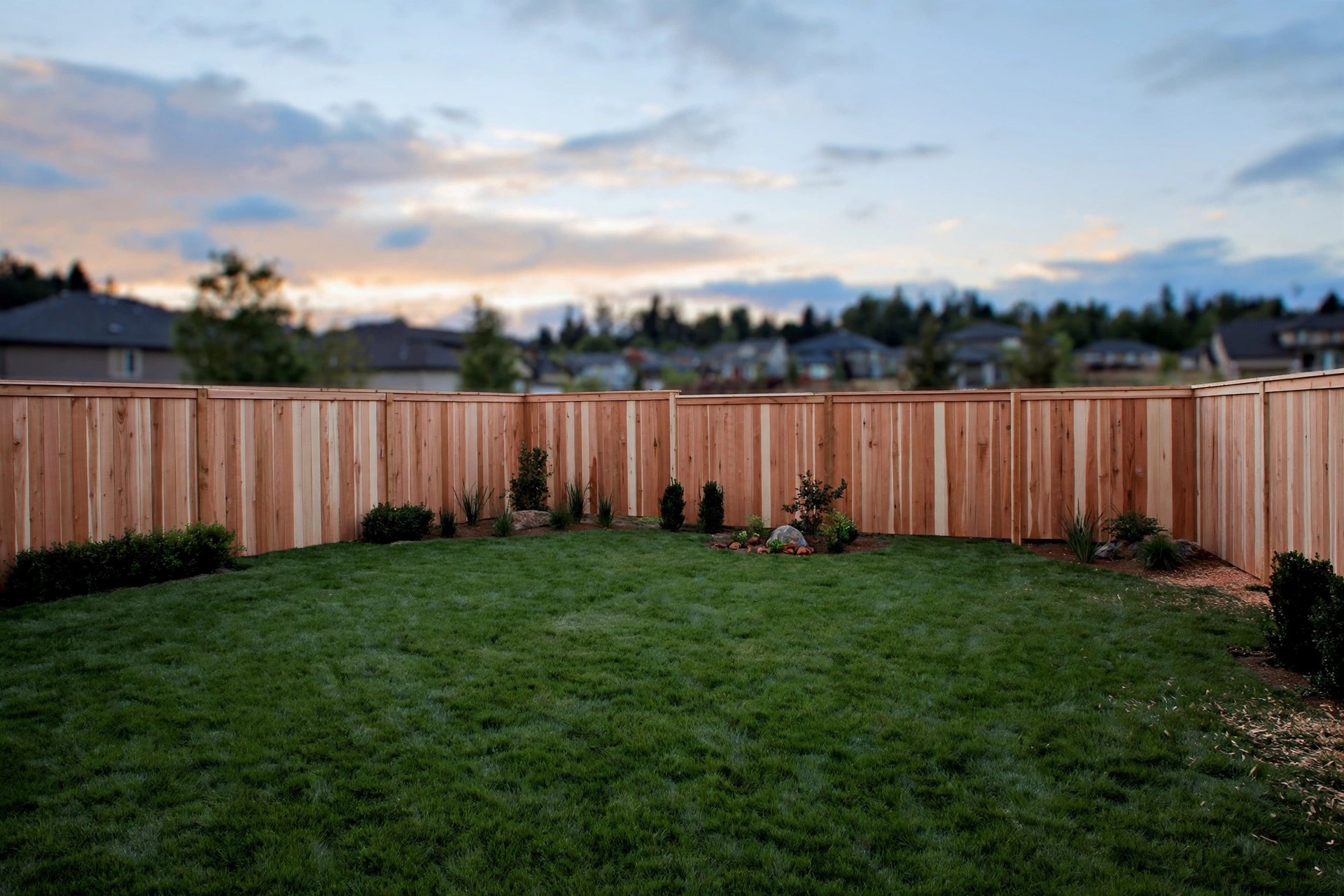
The finished fence is the easy part to sell. Capturing the request at 10 PM is what the chatbot is for.
Frequently asked questions
How much does a chatbot cost a fencing company?
Expect a one-time setup of $1,000 to $3,000 and a monthly fee of $150 to $450. Some providers charge $20 to $60 per qualified lead instead. For most fencing companies, one or two extra booked jobs a month covers the cost many times over.
Can a chatbot actually quote a fence job?
It should give ballpark ranges from your per-foot pricing, never a firm fixed quote. The chatbot’s job is to qualify, collect photos and details, and book the estimate visit where the real number is set. That keeps expectations honest and protects your margins.
What questions should the chatbot ask about a fence job?
Material type, purpose of the fence, approximate linear footage or lot details, number of gates, terrain or obstacles, and timeline. It should also collect the address, a few yard photos, and contact details so the estimator arrives prepared.
Does the chatbot replace my office staff?
No. It handles intake, qualification, and scheduling around the clock. Your office staff and estimators still handle firm quotes, permits, and customer relationships. Think of it as an intake assistant that never sleeps, not a replacement.
Can it handle after-hours emergency fence repairs?
Yes, and this is one of its best uses. The chatbot should identify repair requests, capture photos of the damage, confirm the address, and book the soonest repair slot or an on-call callback, so the urgent job goes to you instead of a competitor.
How long does it take to set up?
Two to three weeks is typical: mapping the qualification flow, loading your pricing and service area, connecting the calendar and CRM, testing with mock conversations, and launching. Simpler setups can go live in under a week.
Will it work with my website and scheduling tool?
Most chatbot platforms install with a small snippet of code on any website, and they connect to common calendars and CRMs used by contractors. Confirm the specific integrations with your provider before signing, especially if you use a trade-specific scheduling tool.
Answer every quote request, even at midnight
Digital Hayder builds AI chatbots for fencing companies: qualification flows for wood, vinyl, chain link, and ornamental jobs, photo collection, estimate booking, and after-hours lead capture. Tell us about your company and we will design the chatbot around your services and pricing.
Contact Us