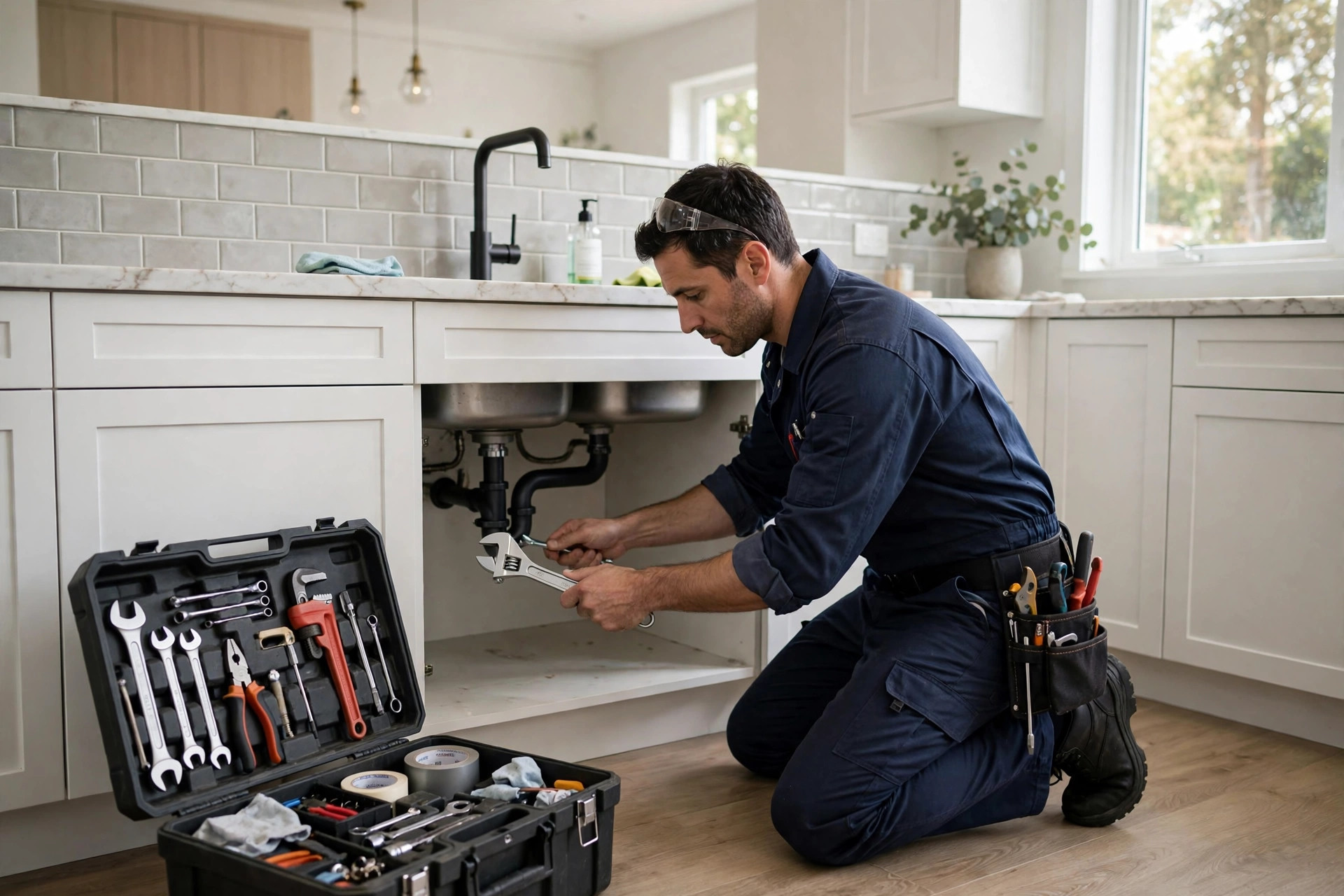
Your shop just finished a $1,800 water heater replacement for a happy customer. The tech did great work, the invoice is paid, and then nothing. No follow-up, no maintenance reminder, no review request. Eighteen months later the customer’s neighbor needs a plumber, and your old customer cannot remember your company name, so the neighbor calls whoever tops Google. That is the quiet leak in most plumbing businesses: you pay full price to acquire every customer through ads and referrals, then let the relationship go cold. Plumbing is a repeat-and-referral business. The average home needs a plumber every couple of years, water heaters die on a predictable schedule, and a maintained customer refers friends. Email is the follow-up layer that compounds every other dollar you spend on marketing, and this guide goes deep on the campaigns and automations that make it happen: annual maintenance reminders, age-based equipment replacement campaigns, quote follow-up sequences, and review-request emails after every job.
The quick answer
- Think follow-up layer, not newsletter: plumbing email wins through automated reminders and sequences, not monthly blasts.
- Annual maintenance reminders: a yearly checkup email keeps you in the home and surfaces the next big job before it becomes an emergency.
- Age-based equipment campaigns: water heaters and fixtures fail on schedule. Email the replacement offer before the failure, not after.
- Quote follow-up sequences: most unclosed quotes go cold from lack of follow-up, not price. Three emails recover a real share of them.
- Review requests after every job: automate the ask within 24 hours of invoice, and your Google rating compounds month after month.
- Segment by job history: what you installed and when decides what the next email should sell.
Why email fits plumbing better than most trades
Plumbing customers are not browsing for fun. They buy when something breaks, wears out, or needs maintaining, and then they forget you exist until the next problem. That pattern makes email unusually powerful: it is cheap, it reaches the exact people who already trust you, and it arrives at the moments when the next job is due. Industry studies have long shown email returning around $36 per $1 spent, and in a repeat business like plumbing, the return comes from jobs you would otherwise have to re-buy with ads. Every campaign below is built on one idea: the customer record tells you what to send and when.
Annual maintenance reminders
The annual plumbing checkup is the closest thing this trade has to a subscription. It keeps your techs in homes during slow weeks, it catches small problems before they become emergency calls to competitors, and it gives you a legitimate reason to contact every customer once a year.
The yearly checkup campaign
Schedule the reminder 11 months after the last visit or the last checkup. The email should be specific: “It has been almost a year since we serviced your home. Our annual checkup covers water pressure, the water heater, visible supply lines, and all fixtures, and it takes about 45 minutes.” Include one-click booking and a plain price for the checkup. Send a second reminder two weeks later to non-openers with a seasonal angle, like pre-winter pipe protection in cold months. The checkup itself is modest revenue, but the findings are where the money is: aging supply lines, a water heater near end of life, a slow drain the customer had stopped noticing. Train techs to document findings with photos, and the follow-up quote email practically writes itself.
Make the reminder feel like a service, not a sales pitch
Frame every maintenance email around protection and prevention. Homeowners respond to “avoid a flooded basement this winter” far better than “book our checkup special.” Include one genuinely useful tip in each email, like where the main shutoff is or how to test the water heater pressure relief valve. Useful content gets opened; pure pitches get ignored. The tip also positions your shop as the expert, so when the big job comes up, there is no shopping around.

One useful tip per email keeps the open rates high and your shop top of mind.
Age-based equipment replacement campaigns
Water heaters, disposals, sump pumps, and supply lines all have known lifespans. A conventional tank water heater lasts roughly 8 to 12 years, and most homeowners have no idea how old theirs is until it floods the basement. If your job records include equipment age, you can email the replacement offer at exactly the right moment.
The water heater countdown
Build the campaign around the install date in your records. At year 8, send an educational email: how to check the manufacture date, the warning signs of failure, and what a planned replacement costs versus an emergency one. At year 10, make the offer concrete: a quoted replacement price, current availability, and the reminder that emergency replacements cost more and happen at the worst time. At year 11 with no response, add urgency honestly: most tanks fail between years 10 and 12, and a planned swap takes two hours while a failure takes the basement with it. This campaign alone can fill your install calendar, because it converts a future emergency into a scheduled job at full margin. The same logic applies to sump pumps before rainy season and aging washing machine hoses.
What if your records lack equipment ages?
Start collecting them now: techs note equipment brand and approximate age on every visit, and the office adds it to the customer record. For the existing database, run a “how old is your water heater?” email with a 30-second guide to reading the serial number, and offer a free age check with any service call. Every reply enriches the record and feeds the countdown campaign. Within a year, you will have ages for a large share of your customer base.
Quote follow-up sequences
Most plumbing shops quote far more work than they close, and most of the unclosed quotes die from silence, not price. The customer got busy, the spouse needed convincing, or a competitor quoted lower and they are still deciding. A short email sequence recovers a meaningful share of these jobs.
| Timing | What it says | |
|---|---|---|
| Quote recap | Same day as the quote | Thanks, here is what we quoted and why, with the scope in plain language and a one-click accept link |
| Helpful follow-up | 3 days later | Answer the unasked question: what happens if this waits, financing options, or how the job disrupts the home |
| Decision nudge | 7 to 10 days later | Check in personally, offer to adjust scope or timing, and note current scheduling availability |
| Last call | 21 days later | Prices and availability change; the quote is honored until a clear date, then it needs refreshing |
Automate it, but keep it personal
The sequence should trigger automatically from the quote status in your system, but read like it came from a person. Use the estimator’s name, reference the specific job, and keep each email short. The 21-day last call needs a real deadline to work; open-ended quotes get open-ended delays. Track close rate by estimator as well as by campaign, because follow-up discipline varies by person and the data will show you who needs coaching. For broader tactics on turning quotes and calls into revenue, see our plumber marketing ideas guide.
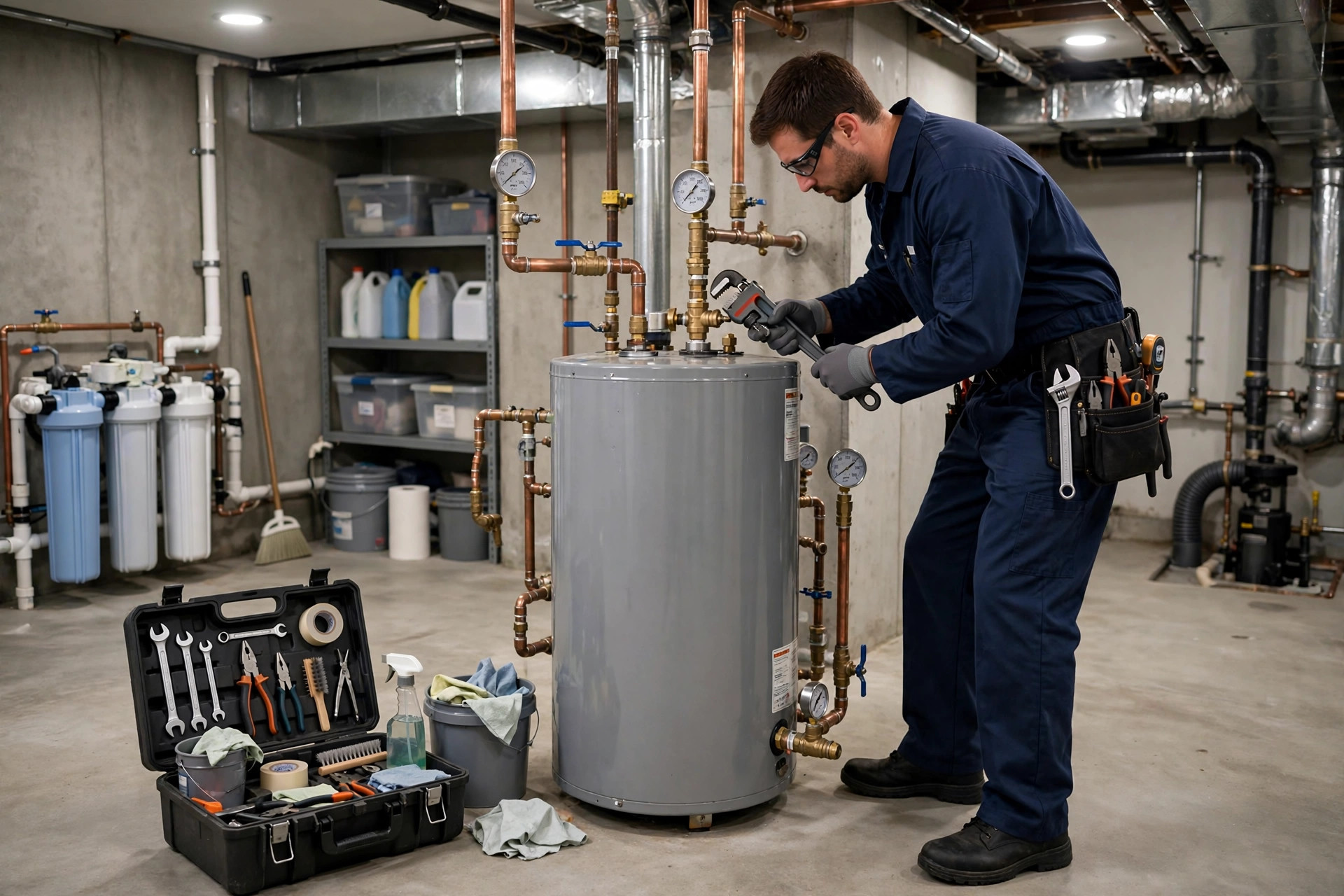
Equipment age in the customer record turns a future emergency into a scheduled replacement.
Review-request emails after every job
Plumbing is one of the most review-driven trades. Homeowners choosing a plumber read reviews like their basement depends on it, because it does. A steady flow of fresh reviews lifts your Google Maps ranking, and the Maps pack decides who gets the emergency calls.
The 24-hour automated ask
Trigger the email when the invoice is paid, not when the tech leaves, so you only ask happy paying customers. Keep it short and personal: the tech’s name, the job done, and a direct link to your Google review page. “Mike fixed your water heater yesterday. If the work was solid, a quick review helps our small shop a lot.” One follow-up three days later for non-responders, then stop. Respond to every review within 48 hours, and treat negative reviews as public customer service: acknowledge, apologize for the experience, and take it offline. Our guide to responding to negative Google reviews walks through the exact approach.
Seasonal and reactive campaigns
Beyond the automations, a light calendar of seasonal emails keeps the list warm and fills slow weeks. Four to six campaigns a year is plenty for a plumbing shop.
What to send and when
Before winter: pipe insulation and shutoff reminders, plus sump pump checks before the rainy season. Spring: outdoor faucet and irrigation startup checks. Summer: water heater efficiency and vacation shutoff tips for travelers. Back-to-school: garbage disposal care and drain maintenance for busy households. Each campaign gets one email with one useful tip and one clear offer. The goal is not to blast promotions; it is to stay the plumber they think of first. And when the phones ring from these campaigns, make sure someone answers: our guide to missed-call text-back for plumbers covers the safety net for the calls that slip through.
Your rollout checklist
Automations first, campaigns second. The sequences below run for years once built.
- 1Clean and segment the database. Every customer tagged with last visit date, job type, and equipment ages where known. Remove dead emails and duplicates.
- 2Launch the review request automation. Trigger on paid invoice, 24 hours after the job, with a direct Google link and the tech’s name.
- 3Build the annual maintenance reminder. 11-month trigger, specific checklist of what the visit covers, one-click booking, one seasonal follow-up.
- 4Build the water heater countdown. Educational email at year 8, concrete offer at year 10, honest urgency at year 11.
- 5Build the quote follow-up sequence. Same-day recap, day-3 helpful follow-up, day-10 decision nudge, day-21 last call with a real deadline.
- 6Start collecting equipment ages. Techs note brand and age on every visit. Run the “how old is your water heater?” email to backfill the database.
- 7Plan four seasonal campaigns. One per season, one useful tip plus one offer each. Schedule them for the year.
- 8Review the numbers quarterly. Open rates, bookings per campaign, quote close rate, and review velocity. Double down on what books jobs.
The van they remember is the one that follows up. Email keeps your name on the truck in their inbox.
Frequently asked questions
Does email marketing work for plumbers?
Yes, especially as a follow-up layer. Plumbing is repeat-and-referral, so automated reminders, equipment-age campaigns, and quote follow-ups reach people who already trust you. It will not replace Google Ads for emergency calls, but it compounds every other channel by monetizing past customers.
How often should a plumbing company email customers?
Let automations handle the frequent touches: reminders, follow-ups, and review requests triggered by behavior. Add four to six seasonal broadcast emails a year. That rhythm keeps you top of mind without training customers to ignore you.
What is the best email to send after a plumbing job?
A review request within 24 hours of the paid invoice, personalized with the tech’s name and the job done. Second best is the maintenance reminder 11 months later. Both are automated, both take no staff time, and both directly produce revenue or reputation.
How do I get customers to open plumbing emails?
Write subject lines about their home, not your company: “Your water heater is 10 years old” beats “Spring plumbing specials.” Specific, personal, and useful wins. Keep the list to real customers with consent and your open rates will take care of themselves.
Should I send a newsletter?
A traditional monthly newsletter is optional and usually underperforms the automated campaigns in this guide. If you enjoy writing one, keep it to seasonal tips plus one offer. The automations, reminders, countdowns, and follow-ups, do the real work.
How do I track whether email is working?
Track bookings attributed to each campaign, not just opens and clicks. Tag the booking source in your system so you can see revenue per campaign per quarter. Quote close rate before and after the follow-up sequence is the single most telling number.
What email tool should a plumbing shop use?
Use whatever integrates with your field service software so triggers fire from real job data: invoice paid, quote sent, visit date. The integration matters more than the brand of the tool. If your current software cannot trigger on job events, that is the first thing to fix.
Turn past customers into repeat revenue
Digital Hayder builds email systems for plumbing companies: maintenance reminders, equipment-age campaigns, quote follow-up sequences, and review automation that runs on your real job data. Tell us about your shop and we will design the follow-up layer around your customer base.
Contact Us