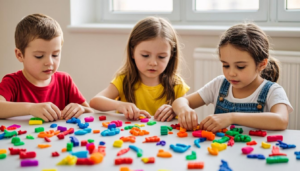
Rainy Day Daycare Activities: 50+ Indoor Ideas for 2026

Rainy days can transform your daycare from a bustling hub of outdoor play to a challenging indoor environment. According to industry reports, childcare providers face an average of 12-15 rainy days per season, requiring a robust indoor activity arsenal [1]. The pressure to keep children engaged, stimulated, and learning while confined indoors is real. But what if these rainy days could become some of the most memorable and productive days in your childcare calendar?
As a childcare professional, you know that well-planned indoor activities don't just pass the time,they build skills, spark creativity, and create lasting memories. In this comprehensive guide, we'll explore dozens of rainy day daycare activities that work, why they matter, and how to implement them effectively. Whether you're a seasoned childcare provider or a parent looking for inspiration, you'll find practical solutions to transform rainy days into opportunities for growth and fun.
Why Indoor Activities Matter for Child Development
Indoor activities aren't just alternatives to outdoor play,they're essential components of a well-rounded childcare experience. Research shows that children who engage in diverse indoor activities develop stronger problem-solving skills, improved social abilities, and enhanced creativity [2]. When outdoor options are limited due to weather, your indoor environment becomes the primary space for learning and development.
Structured indoor play helps children develop fine and gross motor skills, cognitive abilities, and emotional regulation. Think about it,when children build with blocks, they're learning spatial relationships. When they participate in dramatic play, they're developing social skills and emotional intelligence. These activities aren't just keeping them busy; they're building the foundation for future learning.
The key is variety. Children thrive when they have opportunities for different types of play throughout the day. A balanced indoor program should include active movement, quiet activities, creative expression, and hands-on learning. This approach addresses different learning styles and energy levels, ensuring every child can find something engaging.
Creative Arts and Crafts for Rainy Days
Arts and crafts are rainy day staples for good reason. They're versatile, engaging, and promote development across multiple domains. According to childcare experts, children who regularly participate in art activities demonstrate improved fine motor skills, enhanced creativity, and better emotional expression [1]. The beauty of crafts is their adaptability,you can scale complexity based on age group and available materials.
Simple paper crafts require minimal preparation but deliver maximum engagement. Try creating paper chains, handprint art, or collages using recycled materials. These activities develop fine motor skills while allowing for creative expression. For older preschoolers, introduce more complex projects like paper sculptures or origami, which build spatial reasoning and patience.
Painting alternatives provide sensory experiences without the mess. Consider using shaving cream mixed with food coloring, or try "puffy paint" made from glue and shaving cream. These activities create different textures and sensory experiences while developing creativity. Remember, the process matters more than the product,focus on children's exploration and expression rather than creating perfect artwork.
Recycled material projects teach environmental awareness while fostering creativity. Collect cardboard tubes, egg cartons, bottle caps, and other clean recyclables. Challenge children to create robots, buildings, or imaginative creatures using these materials. This approach not only reduces waste but also teaches resourcefulness and problem-solving.
Active Indoor Games for Energy Release
When children can't go outside, their energy needs an outlet. Active indoor games provide essential physical activity while teaching cooperation, following directions, and gross motor development. Research indicates that children should engage in at least 60 minutes of physical activity daily, even when indoors [2]. Without proper outlets, children may become restless or frustrated.
Obstacle courses transform your space into an adventure zone. Use pillows, chairs, blankets, and furniture to create a course children can crawl under, over, and around. This activity develops gross motor skills, spatial awareness, and sequencing abilities. For added learning, incorporate color recognition by having children touch colored objects or counting steps through the course.
Dance parties are simple to organize and incredibly effective for energy release. Create themed playlists with different genres of music. Add scarves, ribbons, or simple instruments to enhance the experience. Dance activities improve coordination, rhythm, and self-expression while providing cardiovascular exercise. Research shows that movement to music enhances neural connections in developing brains [4].
Balloon volleyball uses minimal space and equipment. Blow up a balloon (or several for small groups) and have children keep it from touching the ground using only their hands. This game develops hand-eye coordination, teamwork, and gross motor skills. For older children, add challenges like using only non-dominant hands or calling out body parts to use ("head volleyball," "foot volleyball").
Sensory Play Activities for Young Learners
Sensory play is crucial for brain development, particularly for younger children. According to child development experts, sensory activities build neural pathways, improve memory, and help children understand their world [1]. When children touch, smell, taste, see, and hear different materials, they're making connections that form the foundation for all future learning.
Sensory bins are versatile tools that can be adapted for any theme. Fill shallow containers with materials like dry pasta, rice, beans, or water beads. Add small toys, scoops, and containers for scooping and pouring. These activities develop fine motor skills, introduce mathematical concepts like volume and measurement, and provide calming sensory input. Remember to supervise young children closely to prevent ingestion of small items.
Water play alternatives offer sensory experiences without the mess. Try using a large plastic bin with a small amount of water and floating toys. Or create "cloud dough" by mixing 8 parts flour to 1 part baby oil,this creates a moldable, sensory-rich material that's easy to clean up. These activities provide the benefits of water play while minimizing cleanup concerns.
Sensory bottles are easy to create and provide calming visual stimulation. Fill clear plastic bottles with materials like colored water, glitter, oil, small toys, or beads. Seal the bottles securely and let children shake, roll, and observe the contents. These bottles are particularly useful for helping children self-regulate during transitions or stressful moments.
Learning Through Play: Educational Activities
Rainy days provide excellent opportunities for intentional learning through play. Educational activities disguised as games help children develop academic skills while having fun. Research shows that children learn best when they're engaged and interested, making play-based learning particularly effective [2].
Simple science experiments spark curiosity and critical thinking. Try activities like baking soda volcanoes, color mixing, or sink-or-float testing. These experiments introduce basic scientific concepts while developing observation skills and hypothesis testing. Remember to focus on the process of discovery rather than "correct" results.
Literacy activities build language and pre-reading skills. Create a cozy reading nook with comfortable cushions and a variety of books. Try "story stones",smooth stones with pictures glued on that children can use to create stories. Or play "sound scavenger hunt" where children find objects that begin with specific sounds. These activities develop vocabulary, narrative skills, and phonemic awareness.
Math games make numbers fun and accessible. Use everyday objects for counting, sorting, and pattern activities. Try "measuring madness" with non-standard units like paper clips or blocks. Or play "store" with play money to teach counting and simple addition. These activities build number sense, one-to-one correspondence, and problem-solving skills in a meaningful context.
Comparing Indoor Activity Options
When planning your rainy day curriculum, it's helpful to consider different types of activities and their benefits. The following comparison table outlines various indoor activity categories and their developmental benefits, preparation time, and space requirements:
| Activity Type | Developmental Benefits | Preparation Time | Space Required | Best Age Range |
|---|---|---|---|---|
| Arts & Crafts | Fine motor skills, creativity, expression | Low to Medium | Low to Medium | 2-6 years |
| Active Games | Gross motor development, coordination, teamwork | Low | Medium to High | 3-6 years |
| Sensory Play | Neural development, language skills, self-regulation | Medium | Low to Medium | 1-4 years |
| Educational Games | Academic skills, problem-solving, focus | Low to Medium | Low | 3-5 years |
| Dramatic Play | Social skills, emotional development, language | Low | Medium | 2-5 years |
Practical Tips for Implementation
Implementing successful rainy day activities requires more than just great ideas,it needs thoughtful planning and preparation. Childcare providers who plan ahead report 40% fewer behavior problems on rainy days compared to those who improvise [1]. A little preparation goes a long way in creating smooth, engaging indoor days.
Activity rotation keeps children engaged and prevents boredom. Plan a schedule that alternates between active and quiet, creative and structured activities. For example, start with an active game like balloon volleyball, transition to a craft project, then move to a quiet reading activity. This approach respects children's natural energy rhythms and maintains interest throughout the day.
Space optimization is crucial when you can't go outside. Think vertically by using wall space for displays and activities. Clear furniture to create open areas for movement. Consider using room dividers to create smaller activity zones. Remember to leave clear pathways for safe movement between activities.
Material organization saves time and reduces frustration. Use labeled bins and containers for easy access to supplies. Keep frequently used items at child height while storing special materials out of reach. Consider creating "activity kits" with pre-sorted materials for specific projects,this makes setup and cleanup much more efficient.
Key Takeaways
- Variety is essential – A mix of active, creative, educational, and sensory activities addresses different developmental needs and keeps children engaged throughout the day.
- Preparation matters – Planning ahead reduces stress and behavior problems. Create a rainy day activity binder with ideas and pre-organized materials.
- Process over product – Focus on children's exploration and learning rather than creating perfect crafts or results.
- Simple materials work best – Many effective activities use basic, inexpensive materials you already have on hand.
- Sensory play is crucial – Especially for younger children, sensory activities build neural pathways and support development across multiple domains.
- Balance structure and freedom – While some structure is helpful, children also need opportunities for open-ended exploration and creativity.
Conclusion
Rainy days don't have to be challenging in your daycare setting. With the right approach and activities, these days can become some of the most productive and memorable in your childcare calendar. By implementing a variety of arts and crafts, active games, sensory play, and educational activities, you'll support children's development while keeping them engaged and happy.
Start by choosing 2-3 new activities from this guide to try in your program. Prepare materials in advance, and observe how children respond. Remember that the best activities are those that align with your specific children's interests and developmental levels. What works one day might need adjustment the next,and that's okay!
What rainy day activity will you try first? Share your experiences and questions in the comments below. And for more childcare inspiration, check out our other guides on creating engaging learning environments and supporting children's social-emotional development.