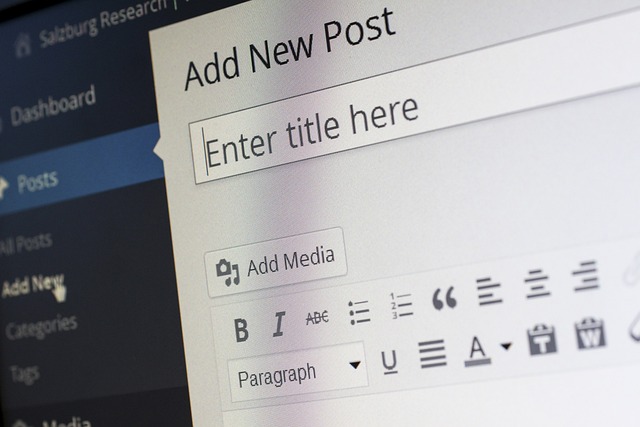
Writing your first blog post can seem like a daunting task. You may be wondering where to start, what to write about, and most of all – what if no one reads it?
Pushing past the fear and just getting started is often the hardest part. Here are some tips to help you overcome those fears and doubts, and successfully write your first blog post.
Pick a Topic That Excites You
Write about something you’re passionate about. If the topic excites you, that enthusiasm will come through in your writing. Readers are drawn to posts with energetic, engaging writing.
Aim to teach readers something new or provide a fresh perspective. Offer value by sharing your knowledge, experiences, insights, opinions, or ideas around the topic.
Make a list of topics you could create helpful, interesting content around. Think about your interests, hobbies, areas of expertise, or issues you care about.
Narrow Your Focus
While you want to cover a topic you enjoy, don’t try to cover too much in one post. This can make the post disjointed, difficult to follow, or overly long.
Instead, narrow your focus to a specific angle of the broader topic. This helps you go in-depth and provide more value to readers.
For example, if your topic is fitness, don’t try to write a post entitled “How to Be Fit.” Zero in on a specific aspect like strength training, HIIT workouts, nutrition for athletes, or even just tips for starting a workout routine.
Do Some Background Research
Before you start writing, take some time to research your angle around the topic. Read other high-quality articles and blog posts to see what’s already been written.
Make a list of potential subtopics, facts, statistics, examples, resources, or expert perspectives you could include. This gives you material to reference and helps form your thoughts.
Pro tip: Look at the sites, articles, and writers ranking highly in search for your topic. Take note of their approach.
Create an Outline
Organize your post with an outline covering your main points. This gives your writing direction before you even start drafting sentences.
Come up with a logical flow moving from one subtopic to the next. Include an introduction explaining what the post is about and why it matters. Wrap up with a conclusion summarizing your main ideas and takeaways.
Jot down some quick supporting notes under each main point as a guide to expand on later.
Start Writing
There are a variety of approaches to writing a blog post, from meticulously planning every paragraph to freeform drafting. Find what works for you.
If you’re feeling stuck, just start writing. You can tidy things up later. The key is to get those initial thoughts down. Write your introduction and go from there.
Another option is to start by expanding on each point of your outline with supporting details. String them together into sentences and paragraphs after the key points are fleshed out.
Don’t obsess over finding the perfect opening line or crafting perfect paragraphs right away. Let the words and ideas flow out freely at first.
Proofread and Refine
With your initial draft complete, the real polishing work begins. Set the post aside for a bit, then come back to review and refine it with fresh eyes.
Check for:
- Readability – Does the post use clear language that’s easy to follow from start to finish? Break up dense paragraphs into easier to read chunks.
- Flow and organization – Does the sequence of thoughts progress logically? Move sections around if needed.
- Grammar and spelling – Fix any typos or errors. Read sentences aloud to catch awkward phrasing.
- Formatting – Apply proper headings, spacing, font sizes, and other formatting for readability.
- Engagement – Insert relevant images, graphics, videos, or quotes to draw readers in.
Find Feedback
Before hitting publish, get feedback from others. Ask someone else to read over your post and provide constructive criticism. Choose someone familiar with your niche to catch inaccuracies.
Ask them:
- Is the post informative, interesting, and engaging from start to finish?
- Are there any unclear sections or questions left unanswered?
- Does the post feel too sales-y or promotional?
- Would they feel compelled to share the post? If not, what’s missing?
Implement this feedback to further refine your blog post.
Finally, Hit Publish
There will never be a perfect time or a perfect post. At some point, you just have to take the leap and launch your blog with your first piece of content.
Don’t succumb to doubts and over-editing that prevents you from ever putting your work out there. Hit publish and congratulate yourself for taking the first step!
Promote and Grow from There
Publication is just the beginning. With your first blog post live, it’s time to start connecting with readers.
- Share your new post on social media and within relevant communities. Ask others to share if they found it useful.
- Invite feedback in the comments. Engage and respond to commenters.
- Analyze site analytics to see what posts draw the most visitors. Produce more content like your successful posts.
- Consider an email newsletter to update subscribers on new posts.
- Keep sharing your passion and knowledge by writing more blog posts! Each one will get easier.
It takes courage to put your writing out to the world. But the only way to grow an audience is to keep creating and connecting. Use the momentum from finally publishing your first post to fuel your blog writing journey.