How to Create a Marketing Funnel for Your Daycare

Are you struggling to fill all the spots in your daycare? You're not alone. Many childcare centers face challenges in attracting and retaining families in a competitive market. A well-designed marketing funnel can help you systematically guide parents from awareness to enrollment, ensuring your facility maintains consistent occupancy rates.
In this guide, we'll walk you through creating an effective marketing funnel specifically for your daycare business. You'll learn how to:
- Understand the four essential stages of a marketing funnel
- Identify your ideal target audience and their needs
- Create compelling content for each stage of the funnel
- Convert interested parents into enrolled families
- Build loyalty for long-term retention
By implementing these strategies, you'll develop a system that consistently brings in new families while keeping existing ones happy.
Understanding the Marketing Funnel for Daycares
A marketing funnel is a method for converting leads into customers by first targeting a wide number of consumers and gradually narrowing down to those who are ready to enroll [2]. For daycare businesses, this means moving parents from initial awareness of your facility to becoming enrolled families and eventually loyal advocates for your center.
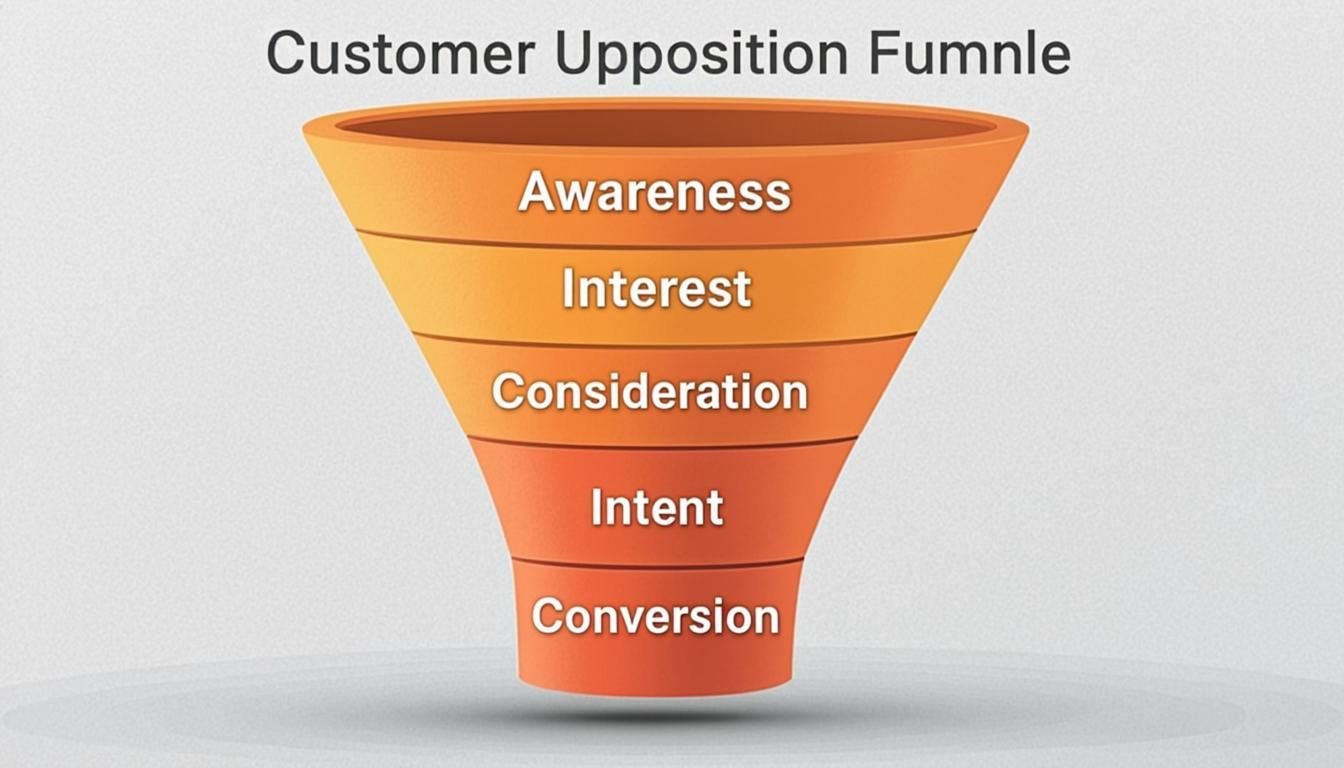
The marketing funnel typically consists of four key stages: awareness, consideration, conversion, and loyalty [3]. Each stage serves a different purpose and requires specific strategies to guide parents through their decision-making journey. Understanding these stages helps you create targeted content and messaging that addresses parents' needs at each point in their search for childcare.
The Four Stages Explained
Awareness is the top of the funnel where parents first become aware that they need childcare solutions and begin searching for options. During this stage, your goal is to make your daycare visible through local SEO, social media presence, and community involvement. Simple content like checklists of "Top Ten Things to Look for in a Daycare" can be effective lead magnets at this stage [1].
Consideration occurs when parents are comparing different childcare options. They're evaluating your facility against competitors based on factors like location, hours, curriculum, and cost. During this stage, you should provide detailed information about your programs, staff qualifications, and facilities to help parents understand what makes your daycare special.
Conversion happens when parents decide to enroll their child at your facility. This stage involves making the registration process as smooth as possible, answering any final questions, and addressing any concerns that might be holding them back. A streamlined enrollment process can significantly improve conversion rates.
Loyalty is the final stage where enrolled families become advocates for your daycare. Happy parents are more likely to refer others and continue using your services as their children grow. Implementing strategies for parent satisfaction and engagement can help build this loyalty over time.
Identifying Your Target Audience
Before you can create an effective marketing funnel, you need to clearly identify your target audience. For daycare businesses, this means understanding the demographics, needs, and pain points of the parents you're trying to reach. You can create your marketing funnel by first identifying your audience by determining their demographics, needs, and preferences [5].
Start by analyzing your current enrollment data to understand who is already choosing your daycare. Are they working parents in your immediate neighborhood? Families with specific educational philosophies? Parents looking for infant care versus preschool programs? This information helps you tailor your marketing messages to resonate with the right audience.
Creating Parent Personas
Develop detailed parent personas to represent your ideal families. These should include information like:
- Age range and occupation
- Family structure and number of children
- Location and commute patterns
- Childcare needs (full-time, part-time, after-school care)
- Decision-making factors (cost, curriculum, location, hours)
- Information sources they trust (online reviews, word-of-mouth, social media)
For example, you might create "Working Professional Wendy," a 35-year-old marketing manager who values convenience and educational enrichment for her 3-year-old. Or "Budget-Conscious Ben," a single father looking for affordable care with flexible hours for his two children.
Understanding Parent Pain Points
Different parents have different concerns when choosing daycare. Some may worry about safety and security, others about educational quality, and others about cost and convenience. By understanding these pain points, you can create content that addresses specific concerns and positions your daycare as the solution.
Common parent concerns include:
- Safety and staff qualifications
- Curriculum and educational approach
- Cost and value for money
- Location and convenience
- Communication with parents
- Flexibility of schedules
Creating Content for Each Funnel Stage
Content marketing is a powerful tool for guiding parents through your marketing funnel. Each stage requires different types of content that address parents' needs and questions at that specific point in their journey. By creating valuable content, you build trust and establish your daycare as the best choice for their family.
Awareness Stage Content
At the awareness stage, your goal is to reach parents who are just beginning their search for childcare. Content should be educational and helpful, focusing on general topics rather than promoting your specific daycare. Simple, valuable content like checklists or guides can help you build your remarketing list at this early stage [1].
Effective awareness content includes:
- Blog posts about "What to Look for in Quality Childcare"
- Infographics about child development stages
- Local community event participation
- Social media content about parenting tips
- Workshops or webinars on childcare topics
For example, a blog post titled "10 Signs of a Quality Daycare Program" can help parents evaluate any facility while subtly highlighting your strengths. This type of content attracts parents who are just starting their search and positions you as an authority in childcare.
Consideration Stage Content
During the consideration stage, parents are comparing different options. Your content should help them understand why your daycare stands out from competitors. This is where you can showcase your unique selling points and demonstrate the specific benefits of choosing your facility.
Consideration stage content includes:
- Virtual tours of your facility
- Detailed program descriptions
- Staff introductions and qualifications
- Parent testimonials and reviews
- Comparison guides ("How Our Curriculum Compares")
Case studies work particularly well at this stage. For instance, you could share how "Sarah's 4-year-old flourished in our pre-K program, developing social skills and academic readiness that helped her transition successfully to kindergarten." This provides concrete evidence of your value.
Conversion Stage Content
When parents are ready to enroll, your content should make the process as smooth and reassuring as possible. This stage requires clear, direct information about enrollment procedures, policies, and next steps.
Effective conversion content includes:
- Enrollment checklists and requirements
- FAQ pages addressing common concerns
- Personalized consultation offers
- Limited-time enrollment incentives
- Clear contact information and call-to-actions
A streamlined enrollment process is crucial here. Consider creating a simple online registration form with clear instructions and support available for parents who have questions. The easier you make it to enroll, the more likely parents are to complete the process.
Converting Interested Parents to Enrolled Families
The conversion stage is where all your marketing efforts pay off. This is when interested parents become enrolled families at your daycare. A smooth conversion process can significantly impact your enrollment numbers and should be optimized for maximum effectiveness.
Streamlining the Enrollment Process
Parents are often busy juggling work and family responsibilities, making enrollment convenience a key factor in their decision. A complicated or time-consuming process can cause them to abandon their enrollment decision. To convert interested parents, make your enrollment process as simple as possible.
Key elements of an effective enrollment process include:
- Online enrollment forms that can be completed in under 10 minutes
- Clear documentation requirements with checklists
- Multiple payment options
- Flexible appointment scheduling for tours and meetings
- Responsive communication with quick follow-up
According to industry reports, centers that implement online enrollment systems see up to a 30% increase in completed registrations compared to paper-only processes. This demonstrates how technology can significantly impact your conversion rates.
Overcoming Common Objections
Parents often have specific concerns that prevent them from enrolling their child. By anticipating these objections and addressing them proactively, you can increase your conversion rates. Common objections include:
- Cost concerns about tuition and fees
- Worries about their child's adjustment period
- Questions about staff qualifications and ratios
- Concerns about safety and security protocols
- Doubts about curriculum quality
Create specific content and talking points that address these concerns. For cost concerns, highlight your value proposition and any available financial assistance programs. For adjustment worries, share your transition strategies and success stories from other families.
Implementing Urgency and Scarcity
Strategic use of urgency and scarcity can motivate parents to make enrollment decisions rather than continuing their search. However, these tactics should be used ethically and honestly. Examples include:
- Limited availability in specific age groups
- Early enrollment discounts
- Priority registration for current families
- Seasonal program availability
For instance, you might announce, "We only have 3 spots remaining in our 2-year-old program for the fall semester. Register by June 15th to secure your spot and receive 10% off tuition for the first three months." This creates urgency while offering real value.
Building Loyalty for Long-Term Retention
Acquiring new families is important, but retaining existing ones is equally crucial for the long-term success of your daycare. Building loyalty among enrolled families reduces churn, increases word-of-mouth referrals, and provides stable revenue for your business.
Creating Exceptional Parent Experiences
Happy parents become loyal advocates for your daycare. Focus on creating exceptional experiences that exceed expectations at every touchpoint. This includes everything from the first phone call to daily communications and special events.
Key strategies for exceptional parent experiences include:
- Regular, personalized communication about their child's day
- Proactive problem-solving when issues arise
- Recognition of milestones and achievements
- Opportunities for parent involvement and education
- Flexibility to accommodate changing needs
Research shows that parents who feel connected and informed about their child's experience are 70% more likely to continue enrollment and refer other families to your center.
Implementing a Referral Program
Word-of-mouth marketing is incredibly powerful for daycare businesses. Happy parents are your best salespeople, and implementing a structured referral program can encourage them to spread the word about your facility.
An effective referral program might include:
- Tuition credits for successful referrals
- Recognition for top referrers
- Simple referral process with shareable materials
- Regular communication about referral status
- Testimonial collection from satisfied families
For example, you could offer "$200 off next month's tuition for each family you refer who enrolls for at least three months." This provides tangible value while encouraging parents to share their positive experiences.
Maintaining Engagement Through Transitions
Children grow and move through different stages of development, requiring transitions between programs within your daycare or to new schools. Maintaining engagement during these transitions helps families stay with your center longer and provides continuity for the child.
Strategies for smooth transitions include:
- Gradual introduction to new classrooms or programs
- Detailed communication about developmental milestones
- Preparation materials for parents about what to expect
- Celebration of achievements and growth
- Special recognition for children moving on to kindergarten or elementary school
Key Takeaways
- A marketing funnel for daycares consists of four stages: awareness, consideration, conversion, and loyalty, each requiring different strategies to guide parents through their decision-making journey.
- Identifying your target audience through detailed parent personas helps you create content that addresses specific needs and concerns at each funnel stage.
- Awareness stage content should be educational and helpful, while consideration content highlights your unique advantages, and conversion content makes enrollment as simple as possible.
- Streamlining the enrollment process with online forms, clear documentation requirements, and responsive communication can increase completed registrations by up to 30%.
- Building loyalty through exceptional parent experiences, structured referral programs, and smooth transitions helps retain families and generates word-of-mouth referrals that drive new enrollments.
Frequently Asked Questions
How long does it typically take for a marketing funnel to show results for a daycare?
Most daycares begin seeing initial results within 2-3 months of implementing a marketing funnel, with significant improvements in enrollment numbers typically appearing after 6-9 months of consistent effort. The timeline varies based on your local market competition and the effectiveness of your strategies.
What's the most cost-effective marketing channel for daycare awareness?
Local search engine optimization (SEO) combined with community engagement typically offers the best return on investment for daycare awareness. This includes optimizing your Google Business profile, local directory listings, and participating in community events. According to industry reports, these channels can generate up to 50% of new inquiries for childcare centers.
How many leads should I expect to convert into enrolled families?
Conversion rates vary by industry, but well-optimized daycare marketing funnels typically convert 15-25% of qualified leads into enrolled families. This percentage can improve with better targeting, more compelling content, and a streamlined enrollment process.
Should I focus more on acquiring new families or retaining existing ones?
Both are important for sustainable growth, but retaining existing families is generally more cost-effective. It costs 5-7 times more to acquire a new customer than to retain an existing one. A balanced approach focusing on both acquisition and retention typically yields the best long-term results for daycare businesses.
How can I measure the effectiveness of my daycare marketing funnel?
Key metrics to track include website traffic sources, lead generation numbers, enrollment conversion rates, parent satisfaction scores, and referral rates. Setting up conversion tracking for online forms and calls can help you understand which marketing channels are driving the most enrollments for your daycare.
Conclusion
Creating an effective marketing funnel for your daycare is a strategic process that requires understanding your audience, creating valuable content at each stage, and optimizing the conversion experience. By implementing these systematically, you'll develop a sustainable flow of new families while keeping existing ones happy and engaged.
Start by analyzing your current marketing efforts and identifying gaps in your funnel. Then implement the strategies we've discussed, beginning with the areas that will have the most immediate impact on your enrollment numbers. Remember that marketing is an ongoing process, not a one-time project, so continuously test, measure, and refine your approach.
Ready to take your daycare marketing to the next level? Begin by auditing your current funnel and identifying one area for improvement you can implement this week. Small, consistent changes can lead to significant results over time, helping you build a thriving childcare center that serves your community and sustains your business for years to come.