
Most dental practices do not have a lead problem. They have a follow-up problem. Enquiries come in from the website, from ads, from the phone, and then sit untouched while the front desk handles the patients in the room. Studies on lead response consistently show that contacting a new enquiry within five minutes makes you dramatically more likely to book them than calling an hour later. This guide builds you a complete dental lead follow-up system: the pipeline stages that keep every lead visible, a 7-day touch sequence that runs automatically, the front desk workflow that backs it up, and the numbers that prove why speed wins.
Why dental leads go cold (and what it costs you)
A new enquiry has a half-life measured in minutes. The person who filled in your form at 10am has filled in three competitors’ forms by 10:15. If your office calls back the next morning, you are not following up. You are apologizing. Industry data on lead response shows conversion rates drop sharply after the first five minutes and keep falling through the first hour. For a dental practice paying $50 to $150 per lead from ads, every lead that goes uncontacted is cash in the bin.
The root causes are always the same: no defined owner for new leads, no time limit on first contact, no system for leads that do not answer, and no visibility into which leads are still open. A follow-up system fixes all four.

The pipeline: five stages every dental lead passes through
A pipeline is just a shared list of where every lead stands, so nothing gets lost. Five stages cover a dental practice.
New lead. Every enquiry lands here automatically: website forms, ad leads, phone calls logged by the front desk, walk-ins. The rule is simple: nothing sits in New for more than five minutes during office hours.
Contact attempted. The first call and text went out but nobody answered. This stage triggers the automated sequence below.
Engaged. The person responded. Now it is a conversation: answering questions, offering appointment times, handling objections about price or fear.
Appointment booked. A date is in the schedule. This stage triggers confirmation messages and reminders that cut no-shows.
Showed / lost. The visit happened, or the lead went cold after the full sequence. Lost leads are not deleted: they enter a long-term nurture list for reactivation campaigns later.

The 7-day touch sequence that books the appointment
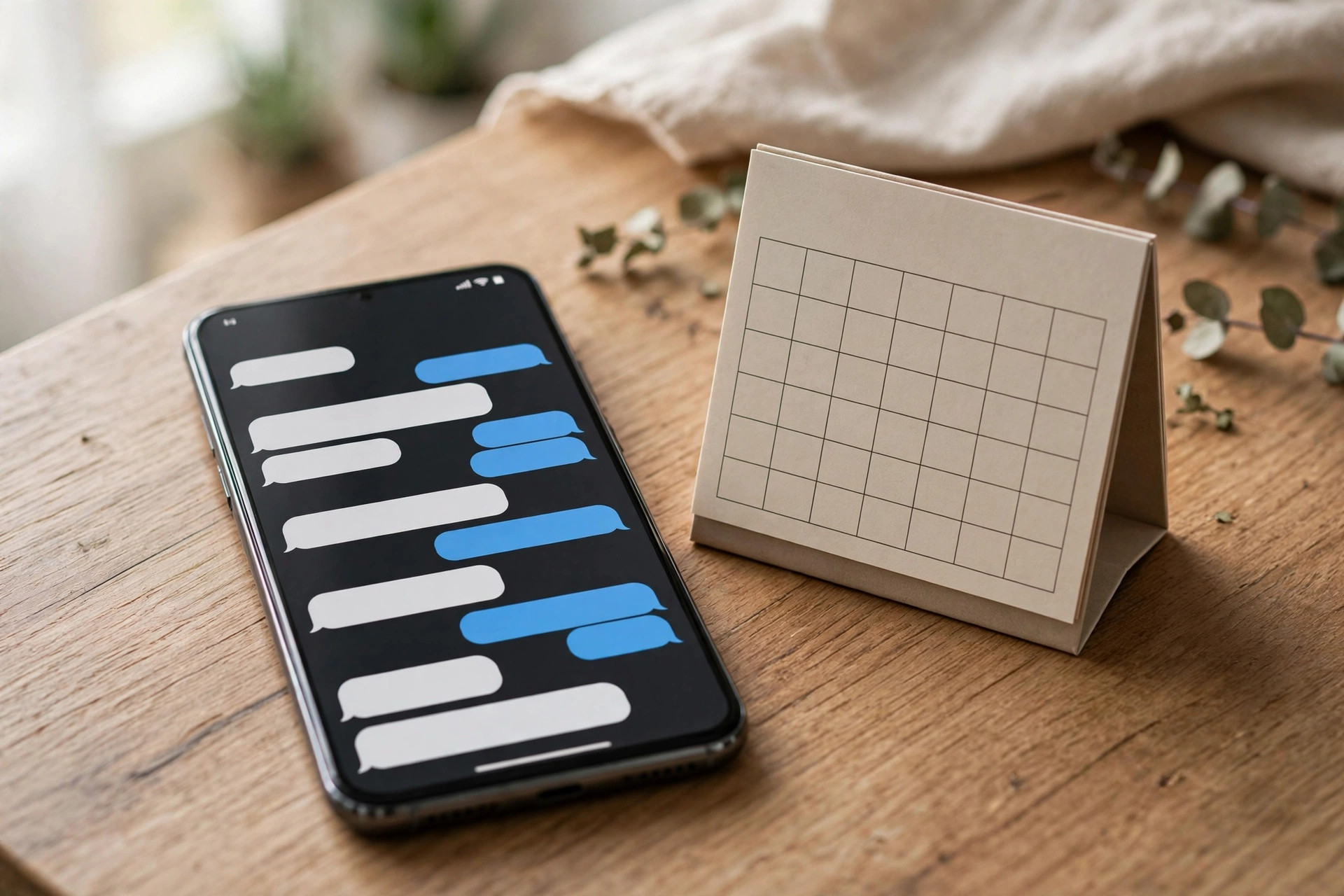
Automation does the chasing so your team does the closing. Here is a proven sequence for a new dental enquiry.
Minute 0: instant text. “Hi [Name], thanks for contacting [Practice]. This is [Name] from the front desk. Are mornings or afternoons better for you this week?” Short, human, with a question that invites a reply.
Minute 5: first call attempt. If no reply to the text, call. Most practices never make this call. Making it puts you ahead of nearly everyone.
Hour 2: second text. A different angle: “Just checking you saw my message. We have [Tuesday 10am] and [Thursday 2pm] open this week if either works.”
Day 1: email with value. A short email introducing the practice, the dentist, and what to expect at a first visit. Include online booking and a click-to-call number.
Day 3: text with social proof. “Most of our new patients tell us they wish they had come in sooner. Here is what [recent patient first name] said: [short review]. Want me to hold a spot for you this week?”
Day 5: call attempt two. A real human call, referencing the earlier messages. Voicemail if no answer, kept under 30 seconds.
Day 7: break-up text. “Hi [Name], I do not want to keep bothering you. Should I close your file, or would you like me to check availability for next week?” This message alone revives a surprising number of cold leads.
After day 7 with no response, the lead moves to long-term nurture: a monthly text or email with an offer, a seasonal reminder, or useful dental content. Many “dead” leads book months later when the timing is right.
The front desk workflow that makes it work
Automation handles the routine touches, but your front desk owns the outcome. Three rules keep the human side tight.
One owner per lead. Every new lead is assigned to a named team member the moment it arrives. Shared inboxes where “someone will get to it” are where leads die.
The five-minute rule. During office hours, every new enquiry gets a personal response within five minutes. After hours, the automated text goes out instantly and the lead is first in the morning queue. Track response time like you track revenue, because it is revenue.
End-of-day sweep. Before closing, the lead owner checks the pipeline: every lead in New or Contact Attempted has a next action scheduled. Nothing rolls to tomorrow without a plan.
Measuring your follow-up system
Four numbers tell you whether the system is working: speed to first contact (target under five minutes), contact rate (what percentage of leads you reach), booking rate (what percentage of contacted leads schedule), and show rate (what percentage of booked appointments arrive). Review these weekly. If speed to contact slips, bookings slip a week later. The numbers always tell the story before the schedule does.
Frequently asked questions
How fast should a dental practice follow up with a new lead?
Within five minutes during office hours. An instant automated text plus a personal call within five minutes is the standard that top-performing practices hit. After hours, the automated text goes immediately and a human follows up first thing in the morning.
What CRM should a dental practice use for lead follow-up?
Any CRM your front desk will actually use daily. The critical features are instant lead notifications, automated text and email sequences, pipeline visibility, and call tracking. The best system is the one the team opens every morning.
How many times should I follow up with a dental lead?
The 7-day sequence above gives you seven to nine touches across text, call, and email. After that, move non-responders to monthly long-term nurture rather than deleting them. Persistence with spacing beats daily pestering.
What do I do with leads that never respond?
Keep them in a long-term nurture list. Send a monthly message with a genuinely useful offer or reminder. A meaningful percentage of “dead” leads book three to twelve months later when their situation changes.
Want follow-up that runs while you treat patients?
We build automated lead follow-up systems for dental practices: instant texts, smart sequences, pipeline dashboards, and front desk workflows that turn more enquiries into booked chairs.
Contact Us