
A new pet owner moves to town with a six-month-old puppy and opens Google to find a vet. Two clinics appear. One has 340 reviews full of stories about gentle handling, clear explanations, and pets that actually enjoy their visits. The other has 22 reviews, the newest one half a year old. The owner never compares equipment lists or prices. They pick the clinic that hundreds of other pet owners already trust with the animals they love, because choosing a vet feels like choosing a pediatrician: it is emotional, and trust is everything. For a veterinary clinic, Google reviews are the single strongest marketing asset you own. This guide shows how to build them visit by visit: who to ask and when, the visits where you must never ask, automated post-visit texts with direct links, front-desk scripting that feels warm instead of pushy, and public responses that show empathy without ever confirming medical details.
The quick answer
- Why it matters: research on local consumer behavior keeps finding that close to 9 in 10 people read online reviews before choosing a local business, and pet owners treat vet choice as a high-trust, emotional decision.
- Ask after happy routine visits: puppy checkups, vaccinations, nail trims, and smooth recoveries. Never ask after grief, euthanasia, or bad diagnoses.
- The benchmark to aim for: 200 or more Google reviews, a 4.7 star average or better, and 4 to 8 new reviews every week.
- Automate the ask: a short post-visit text with your direct review link, sent a few hours after checkout, produces the most reviews for the least effort.
- Respond to every review with warmth, and never confirm medical details or discuss a specific animal’s treatment in a public reply.
- Never buy, fake, or filter reviews. Google removes them, profiles get suspended, and pet owners spot patterns of fake praise faster than anyone.
Why reviews carry extra weight for vet clinics
Choosing a vet is not like choosing a plumber. Pet owners describe their animals as family members, and handing a beloved pet to a stranger requires a level of trust most businesses never have to earn. Reviews are how that trust gets transferred. When a pet owner reads thirty reviews describing gentle handling, honest pricing, and vets who call back personally, the clinic stops being a stranger. Surveys of pet owners consistently show that online reviews rank among the top factors in choosing a new veterinarian, often ahead of location and price. A thin review profile does not just lose you the click; it raises the fear that nobody in town trusts you with their animals.
Reviews also shape your local ranking. Google’s local results weigh prominence signals, and review count, average rating, recency, and the pace of new reviews all feed into how prominent your clinic looks. A clinic with 300 recent reviews can outrank a closer competitor with 30 old ones for searches like “vet near me.” The words inside reviews help too: when clients mention puppy visits, dental cleanings, or senior pet care, your profile matches the exact phrases future clients type into search.
What pet owners actually read in your profile
Searchers scan four things in seconds. First, the total count. A clinic with 250 reviews reads as the trusted neighborhood practice; one with 18 reads as a risk. Second, recency. Reviews from the past few weeks say you are actively caring for animals right now. Third, the emotional details. Pet owners look for words like gentle, patient, explained everything, treated my dog like their own. A review that says “they got on the floor to meet my nervous rescue before the exam” sells the next nervous-pet owner better than any mission statement. Fourth, your responses. When the clinic replies with warmth to reviews, it reads as a place that cares about animals and their people. Silence reads as a business that does not.
The honest benchmark for a veterinary clinic
Vet clinics see far more visits per week than most local businesses, which means your review targets can be ambitious. Aim for at least 200 Google reviews before you treat your profile as strong, a 4.7 star average or higher, 4 to 8 new reviews every week, and a 100 percent response rate with replies within one business day. Check the strongest clinic profiles in your area and set your count target above them. If the dominant practice across town has 400 reviews, your goal is 500, not 200.
Who to ask and when: the timing that makes or breaks it
Veterinary review strategy is different from every other local business because the emotional stakes swing so wide. A puppy’s first checkup and a beloved pet’s final visit can happen in the same building on the same day. Asking at the wrong moment is not just ineffective; it can feel cruel. The rule is simple: ask when the owner is relieved and grateful, and never ask when they are grieving, frightened, or angry.
| Visit type | Ask for a review? | Why |
|---|---|---|
| Puppy or kitten first checkups | Yes, always | New pet owners are delighted and highly motivated; these produce your warmest, most detailed reviews |
| Routine vaccinations and wellness exams | Yes | Smooth, low-stress visits end with relief and gratitude, the ideal review moment |
| Nail trims, grooming, and minor procedures | Yes | Quick wins with happy outcomes; owners love reporting that their pet was treated kindly |
| Successful surgeries and recoveries | Yes, at the recheck | Wait until the pet is recovering well, then ask at the follow-up visit when relief is highest |
| Dental cleanings and routine diagnostics | Yes | Owners appreciate clear explanations and good outcomes; these reviews mention thoroughness, which attracts new clients |
| Euthanasia and end-of-life visits | Never | Asking a grieving owner for a review is deeply inappropriate and will damage your reputation if it gets out |
| Bad diagnoses: cancer, chronic illness, emergencies | Never at that visit | The owner is frightened or in shock; any ask feels tone-deaf. A later thank-you for kind care may come on its own |
| Visits with billing disputes or visible anger | No | Resolve the problem first. Asking for a review from an upset client invites a detailed negative one |
The visits that produce your best reviews
Puppy and kitten checkups are your gold mine. New pet owners are excited, they take photos, and they write long, emotional reviews full of the words future clients search for: gentle, patient, explained everything. Train your team to treat every first puppy visit as a review opportunity, because it is. Routine wellness visits are the steady engine: they happen daily, they end well, and a short ask at checkout converts reliably. Successful surgery rechecks are the third source; an owner whose dog is healing well after an operation feels enormous gratitude, and that gratitude produces the detailed, story-driven reviews that define a clinic’s reputation.
The visits where you must never ask
This is the distinctive rule of veterinary review strategy, and every team member must understand it. Never ask after euthanasia, after a terminal or frightening diagnosis, or when an owner is visibly upset about a bill or an outcome. The reason is not only compassion, although that is reason enough. It is also practical: an ask at the wrong moment can turn a grieving or frightened client into a vocal critic, and one story about a clinic that “asked for a Google review right after putting my dog down” will travel further than fifty five-star reviews. Put this rule in writing, train it into every new hire, and trust your front desk’s judgment on the borderline cases. When in doubt, skip the ask.

The front desk owns the ask. A warm script and a QR card turn checkout into your review engine.
The automated post-visit text: your highest-volume channel
The post-visit text produces more reviews than any other single tactic, because it reaches the owner at home, a few hours after the visit, with the link already in their hand. Set it up once in your practice management software or a messaging tool, and it fires after every qualifying visit without anyone remembering to send it.
Timing and wording matter. Send the text two to four hours after checkout, not the next day; the visit is still fresh and the pet is usually resting comfortably at home, which is a warm moment. Keep it to three short lines: “Hi, this is [Clinic Name]. We loved seeing [Pet’s Name] today and hope they are resting well. If you were happy with your visit, a quick Google review would mean a lot to our team: [link].” Using the pet’s name is the detail that makes this message feel personal instead of automated, and most practice software can insert it automatically. One reminder three days later for owners who did not review, then stop. A second nudge is a reminder; a third is pestering.
Segment the automation by visit type so the wrong visits never trigger it. Your software should exclude euthanasia, emergency, and oncology codes from the review text flow entirely. This is worth setting up carefully once, because it protects you from the worst mistake in veterinary review marketing: an automated ask landing in a grieving owner’s phone. The same automation thinking works across local services; our guide on missed-call text back for dentists shows how another appointment-based practice uses timed texts to recover lost opportunities.
Front-desk scripting that feels warm, not pushy
Automation catches most reviews, but the in-person ask at checkout still converts the best, because it comes from a human the owner just trusted with their pet. Give your front desk an exact script and train it like any other checkout step.
The script should be short and honest: “We are so glad [Pet’s Name] did well today. Most of our new clients find us through Google reviews, so if you have a minute later, a review would really help our team. I will text you the link.” Three elements make it work. It names the pet, which shows the team sees the animal as an individual. It explains why reviews matter, which gives the owner a reason beyond politeness. And it promises the link, which removes the “I would not know how” objection. Train the team to read the room: if the owner is rushing, upset, or dealing with a difficult diagnosis, they skip the ask without being told twice. Role-play the script in a team meeting until it sounds warm and natural, and add “review ask offered” as a line on the checkout routine so it happens consistently.
Back up the verbal ask with a physical card. A small, sturdy card handed over with the discharge paperwork or treat bag, with a thank you on one side and a large QR code on the other that opens your Google review page directly. One scan should land on the review screen with your clinic already selected. Test the code on both iPhone and Android before printing. A photo of a happy patient on the card, with the owner’s permission, makes it feel like part of the visit rather than marketing material.
Responding to reviews: warmth without medical details
Your public responses are read by future pet owners far more than by the reviewers, and in veterinary medicine they carry a special constraint: you must never confirm medical details about a patient’s treatment in a public reply. No diagnosis, no medication, no discussion of what happened in the exam room. This protects client privacy and keeps you clear of professional trouble. The good news is that warm, privacy-safe responses are easy once you know the pattern.
The five-star response
Thank the owner by name, mention the pet by name, and reflect the warmth back without discussing treatment. “Thank you, Sarah. We loved meeting Biscuit, and we are so glad he is part of our clinic family. See you both at the next visit.” The pet’s name proves the review is real and tells future clients you know your patients as individuals. Vary the wording on every reply so your profile reads like a caring team wrote it, not a template.
The four-star response
Thank them and gently invite more detail. “Thanks for the review, Mike. We are glad Max had a good visit. If anything about the experience could have been better, we would love to hear it so we can improve.” Many four-star reviews hide a small frustration: a long wait, a confusing bill, a rushed feeling. Acknowledging it shows you listen, and some reviewers raise their rating after a thoughtful reply.
The difficult review: empathy first, details never
Veterinary bad reviews are the hardest in local business, because they often involve grief, high bills, or a pet that did not survive. Reply within 24 hours with genuine empathy, never argue medicine in public, and move the conversation offline immediately: “We are so sorry for your loss, and we understand how painful this is. Please call me directly at [number]; I would like to hear more about your experience personally.” Never confirm what treatment was given, never discuss the medical facts of the case, and never name staff members. A composed, compassionate response to a heartbroken reviewer impresses future clients more than any number of five-star reviews. For the harder scenarios, including unfair and fake reviews, our playbook on how to respond to negative Google reviews walks through each case step by step.
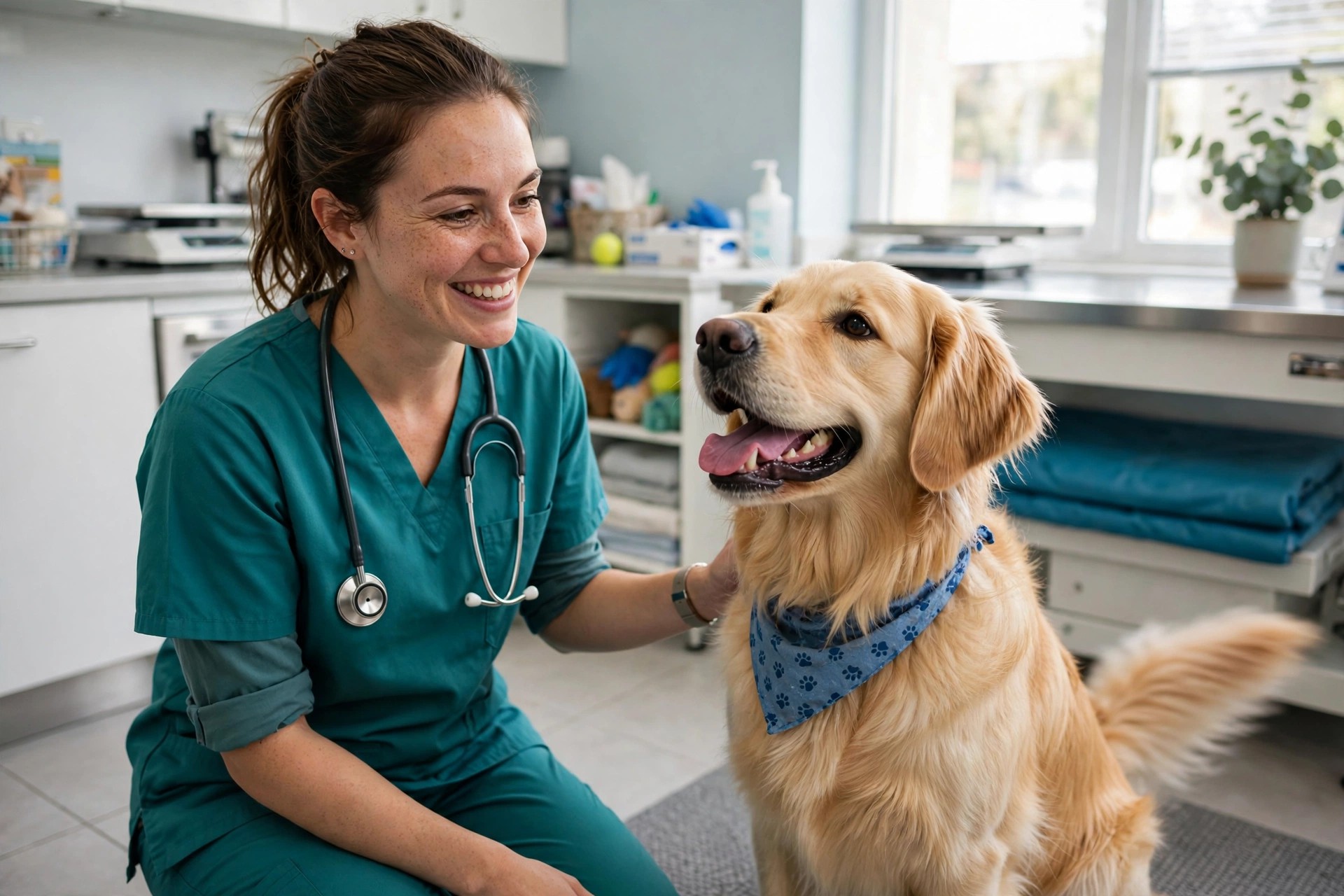
Happy outcomes are the moments to ask. Relief and gratitude produce your most detailed reviews.
Build the system so it runs on every visit
The ask only compounds if it happens consistently, and consistency needs ownership. Assign the in-person ask and the card to the front desk as part of the checkout routine, right next to collecting payment and scheduling the next visit. Assign the automated text to your software, with the exclusion list for sensitive visit types reviewed quarterly. Assign responses to one person, ideally a manager or the practice owner, with a 24-hour turnaround rule. Put review metrics on the same weekly sheet as appointments and revenue: total count, average rating, new reviews that week. When velocity drops, the ask stopped happening, and you fix it that week instead of discovering a two-month gap.
Repurpose your best reviews everywhere clients decide. Pull them onto your website’s homepage and service pages, into new-client welcome emails, and onto a screen in the waiting room. When the same warm words appear on Google, on your site, and in the exam room, new clients arrive already trusting you. Clinics in other appointment-based niches run the same playbook; our guide to getting more Google reviews for salons shows how a similar high-frequency visit business keeps its review stream flowing.
What can get you in trouble
A few rules are absolute. Never offer discounts, free services, or treats in exchange for reviews. Never ask only happy clients and skip the unhappy ones, a practice called review gating, which Google prohibits. Never write reviews for your own clinic or ask staff and family to post them. And never confirm medical details in a public response, no matter how tempted you are to correct a reviewer’s account of a case. Google removes fake and paid reviews, profiles get suspended, and regulators have fined businesses for manipulated review schemes. The honest system in this guide is slower for about a month and faster forever after.
One more veterinary-specific caution: be careful with photos of patients in your marketing and review responses. Only use a pet’s photo with the owner’s clear permission, and never pair a patient’s photo with any discussion of their medical case in public.
Your 30-day implementation checklist
Do this in order. By day 30 your clinic will have a review system that runs on every qualifying visit.
- 1Get your direct review link. Generate it in your Google Business Profile, shorten it with your domain or a clean short link, and test it on two phones.
- 2Write the visit-type rules. List exactly which visit types trigger the ask and which never do. Put it in writing and train every team member.
- 3Set up the automated post-visit text. Two to four hours after checkout, pet’s name included, direct link attached. Build the exclusion list for euthanasia, emergency, and oncology visits first.
- 4Write the front-desk script. Three sentences: name the pet, explain why reviews matter, promise the link. Role-play it until it sounds warm.
- 5Print the QR cards. Thank you on one side, large QR code opening the review page on the other. Hand them out with discharge paperwork.
- 6Set your targets. Check the strongest clinic profiles in your area, set your count goal above them, and aim for 4 to 8 new reviews per week.
- 7Clear the response backlog. Reply to every existing review, newest first, naming the pet and keeping every medical detail out of public replies.
- 8Track review pace weekly. Log total reviews, average rating, and new reviews that week next to your other clinic metrics.
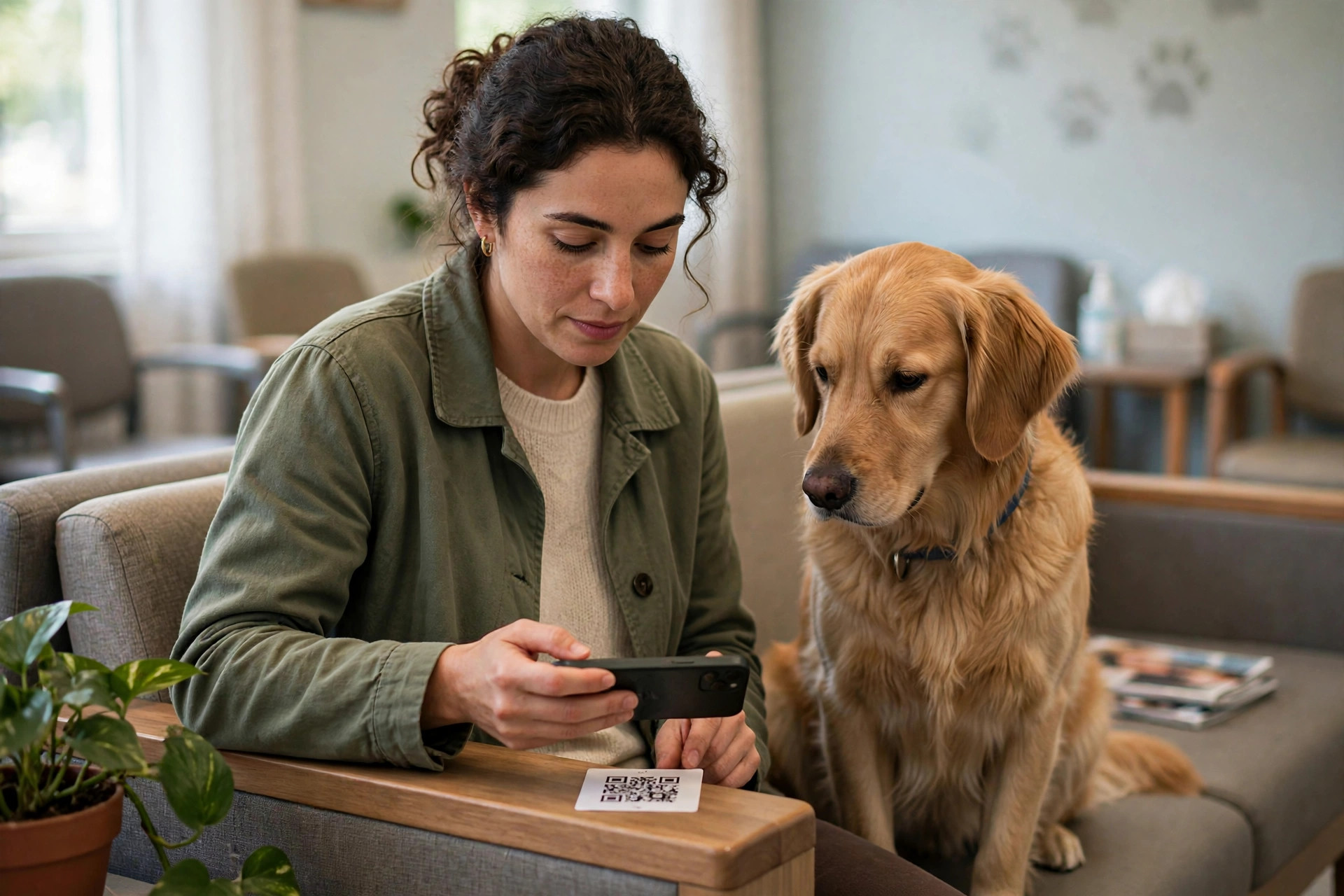
One scan opens the review screen directly. Every extra step is a review you never get.
Frequently asked questions
How many Google reviews does my veterinary clinic need?
Aim for at least 200 before you treat your profile as strong, then set your target above the strongest clinic in your area. Clinics see high visit volume, so 4 to 8 new reviews per week is a realistic pace once your system is running.
Is it okay to ask for a review after a pet passes away?
No. Never ask after euthanasia, a terminal diagnosis, or any visit where the owner is grieving or frightened. It feels cruel, it can turn a grieving client into a vocal critic, and your team should have this rule in writing. Some grieving owners leave grateful reviews on their own months later; let that happen naturally.
What is the best time to ask a pet owner for a review?
At checkout after a happy routine visit, with a warm in-person ask from the front desk, followed by an automated text two to four hours later with the direct link. For post-surgery cases, wait until the recheck visit when the pet is recovering well.
Can I mention the pet’s treatment in my public review response?
No. Never confirm medical details, diagnoses, medications, or what happened in the exam room in a public reply. Thank the owner, mention the pet by name, reflect the warmth, and move any substantive discussion to a private phone call.
Should I offer a discount or free nail trim for a review?
No. Offering anything of value in exchange for a review violates Google’s policies and can get reviews removed or your profile suspended. Ask every qualifying client the same warm way, with no incentives attached.
How do I handle a review that describes a pet’s death or a bad outcome?
Reply within 24 hours with genuine empathy, never argue the medical facts in public, and move the conversation offline with your direct phone number. A composed, compassionate response impresses future clients more than any number of five-star reviews.
Turn every happy visit into your next client
Digital Hayder helps veterinary clinics build review systems, follow-up automation, and AI chat that runs on autopilot: post-visit review texts, missed-call text back, and a website that converts the traffic your reviews bring. Tell us about your practice and we will map the fastest path to more five-star reviews.
Contact Us