Daycare Art Activities for 2026
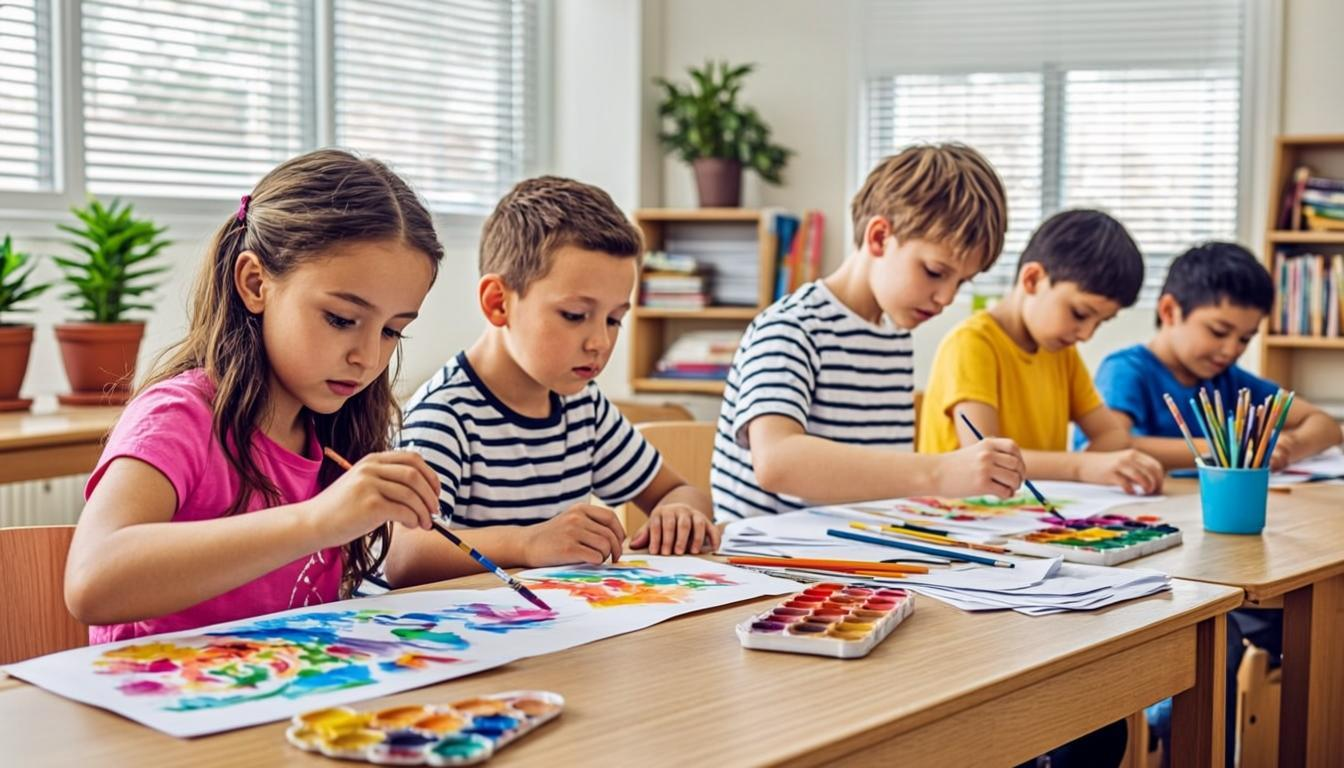
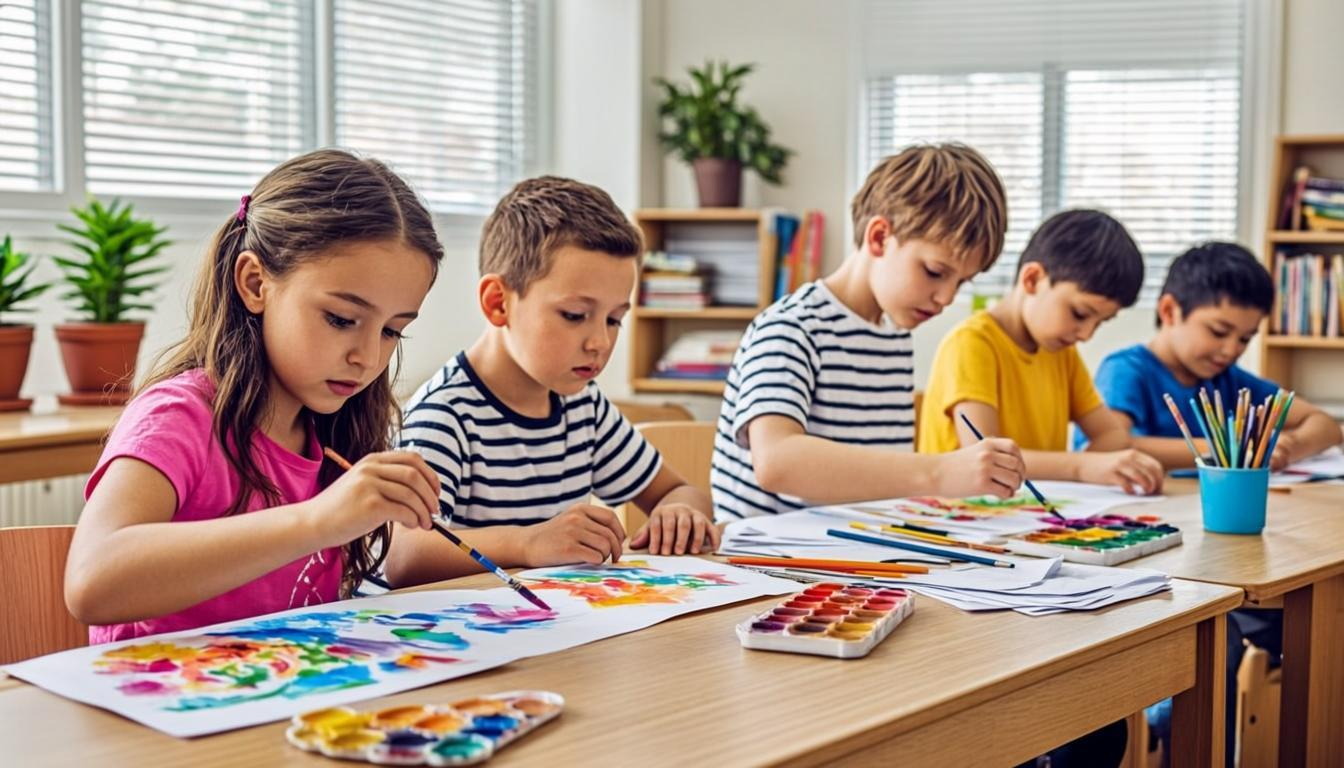
Art activities in daycare settings do more than just keep children busy. They is important in cognitive development, emotional expression, and social skills. In 2026, the arts and crafts market is projected to reach USD 91.95 billion, growing at a CAGR of 5.6% [5]. This growth reflects our increasing recognition of art's value in early childhood education. As a daycare provider or parent, incorporating meaningful art activities can transform your curriculum and create memorable experiences for children.
Why Art Activities Matter in Daycare
Art activities provide children with opportunities to express themselves without words. For toddlers who may not have developed verbal skills yet, drawing and painting become their primary communication tools. According to research, children who engage regularly in art activities show improved fine motor skills and hand-eye coordination [1]. These skills are essential for future academic success.
Art also nurtures creativity and problem-solving abilities. When children experiment with different materials and techniques, they learn to think flexibly and find multiple solutions to problems. The National Art Education Association synthesized findings from 18 recent reports, confirming that arts education enhances cognitive development in early childhood [3].
Beyond cognitive benefits, art activities help children develop emotional intelligence. Creating art allows children to process and express feelings they might not understand otherwise. This emotional outlet is particularly valuable in group daycare settings where children navigate complex social dynamics daily.
Types of Art Activities for Different Age Groups
Not all art activities are suitable for every age group. Understanding developmental stages helps you select appropriate projects that engage children without causing frustration. Here's a breakdown of art activities that work well for different age groups in daycare settings:
Toddlers (1-2 years)
Toddlers explore the world through sensory experiences. Simple, process-oriented art activities best meet their developmental needs. Finger painting with non-toxic, washable paints allows them to explore textures and colors safely. You can also provide chunky crayons and paper for scribbling, which develops fine motor skills.
Water play with colored ice cubes creates beautiful patterns as they melt. This activity combines sensory exploration with color recognition. Remember, the process matters more than the product at this age. Focus on the experience rather than creating specific outcomes [4].
Preschoolers (3-5 years)
Preschoolers can handle more complex projects that require coordination and planning. Collage activities using various materials (fabric scraps, paper, natural elements) develop fine motor skills and creativity. You can introduce basic printmaking techniques using potatoes or sponges cut into simple shapes.
Clay or playdough activities strengthen hand muscles while allowing creative expression. Preschoolers enjoy sculpting simple forms or creating imaginary creatures. These activities also provide opportunities for language development as children describe what they're making [4].
School-Age Children (5-6 years)
Older children in daycare settings can tackle more structured projects that combine art with other learning areas. Creating simple books with illustrations integrates art with literacy. They can also participate in group mural projects that teach collaboration and planning.
Basic weaving with paper strips or natural materials introduces mathematical concepts of patterns and sequences. These children can also begin learning about famous artists and attempting simple reproductions of famous works, which builds art appreciation and cultural knowledge [3].
Process Art vs. Product Art
Understanding the difference between process art and product art is crucial for creating meaningful art experiences in daycare settings. Process art focuses on the experience of creating, while product art emphasizes a specific, predetermined outcome. Both approaches have value, but they serve different purposes in early childhood education.
Process art allows children to explore materials and techniques freely without worrying about the final result. This approach encourages creativity, problem-solving, and self-expression. According to NAEYC, process art helps children grow in expressive language, nurtures social and emotional development, and encourages cognitive growth [4].
Product art, on the other hand, provides children with instructions to create a specific item. This approach can help develop following directions and fine motor control. However, it often limits creativity and may create frustration when children's vision doesn't match the expected outcome.
The most effective daycare art programs balance both approaches. You might offer process art during free play times and structured product art during teacher-led activities. This balance allows children to explore freely while also learning specific techniques and skills.
Setting Up an Art-Rich Environment
Creating an environment that supports art activities requires thoughtful planning and organization. A well-designed art area encourages children to engage creatively and independently. Here are essential elements to consider when setting up your daycare art space:
Materials Organization
Organize materials in accessible, child-friendly containers. Use clear bins or trays so children can see what's available. Label containers with words and pictures to support literacy development. Store frequently used items within children's reach while keeping special materials for teacher-supervised activities.
Consider rotating materials to maintain interest and introduce new concepts. For example, you might focus on cool colors (blues, greens, purples) one week and warm colors (reds, oranges, yellows) the next. This rotation teaches color theory concepts while keeping activities fresh [2].
Space Considerations
Your art area should have adequate table space for group activities and floor space for larger projects. Ensure good lighting, especially near natural light sources if possible. Include a drying rack for artwork and designated spaces for ongoing projects that need time to develop.
Protect your environment with easy-to-clean surfaces. Cover tables with paper or plastic that can be replaced easily. Consider having smocks or old t-shirts available to protect children's clothing. These practical considerations allow children to create freely without worrying about making messes [2].
Displaying Children's Work
Children feel valued when their artwork is displayed thoughtfully. Create a gallery wall at children's eye level to showcase their creations. Rotate displays regularly to give all children opportunities to be featured.
When displaying art, focus on the process and effort rather than the aesthetic quality. Add captions that describe what children did or said during the creative process. This approach validates their experiences and encourages them to continue expressing themselves through art [4].
Art Activities That Support Developmental Goals
Art activities can be intentionally designed to support specific developmental domains. By selecting projects that target particular skills, you can create a balanced curriculum that addresses all areas of child development.
Cognitive Development
Art activities naturally support cognitive growth through problem-solving and planning. When children decide what to create and how to do it, they practice decision-making and critical thinking. You can enhance these benefits by asking open-ended questions like "What materials would work best for this idea?" or "How could we make this stronger?"
Introducing basic art concepts like color mixing, texture, and form builds foundational knowledge for later academic learning. For example, creating color wheels teaches primary and secondary colors while reinforcing math concepts of categorization and comparison [3].
Social-Emotional Development
Group art activities teach cooperation and sharing. When children work together on a mural or collaborative project, they learn to negotiate, compromise, and appreciate others' contributions. These experiences build essential social skills for success in school and beyond.
Art also provides emotional release and self-expression. Children who might struggle to verbalize feelings can express them through colors, shapes, and textures. This emotional outlet helps develop self-awareness and emotional regulation skills [1].
Physical Development
Fine motor skills develop through activities that require small, controlled movements. Cutting with safety scissors, threading beads, or molding clay all strengthen hand muscles and improve coordination. These skills are directly linked to writing abilities that children will develop later.
Large motor skills can be incorporated through body painting or creating movement-based art. Children can paint with their feet or create art while dancing, combining physical activity with creative expression. This integration supports overall physical development while making art more engaging [2].
Art Activities on a Budget
Creating an engaging art program doesn't require expensive materials. Many effective art activities use inexpensive or recycled materials. Here are budget-friendly ideas that provide rich creative experiences:
Natural Materials
Collect leaves, twigs, flowers, and stones for nature-based art projects. Children can create collages, paint with natural brushes, or make prints using natural objects. These activities connect children with nature while developing observation skills and creativity.
Rock painting is another low-cost activity with multiple benefits. Children can collect rocks, paint them, and use them for counting games, storytelling props, or garden decorations. This activity develops fine motor skills while teaching about patterns and colors [4].
Recycled Materials
Repurpose household items for art projects. Cardboard boxes become buildings or vehicles. Paper tubes transform into binoculars or sculptures. Plastic containers make excellent paint palettes or molds for clay.
Paper recycling projects teach environmental awareness while creating art. Children can make handmade paper from scraps, create paper mâché, or design collages from old magazines and catalogs. These activities develop creativity while reinforcing recycling concepts [5].
Basic Materials with Multiple Uses
Stock up on versatile materials that can be used in many ways. White paper, washable paint, and crayons form the foundation of most art programs. These basic materials can be used for finger painting, printmaking, drawing, and collage.
Watercolor sets and chalk pastels provide additional variety without significant expense. These materials can be used wet or dry, on paper or other surfaces, offering multiple creative possibilities. With proper storage, these materials last for months or even years [2].
Art Activities for Different Seasons and Themes
Incorporating seasonal themes and holidays into your art program keeps activities relevant and engaging. These themed art activities connect children to the world around them while providing creative expression opportunities.
Spring Art Activities
Spring themes focus on growth, renewal, and nature. Children can create flower prints using real flowers or vegetable stamps. Planting seeds and documenting their growth combines science with art as children draw or photograph the changes they observe.
Butterfly and insect projects incorporate symmetry and color patterns. Children can create butterfly prints by folding paper paint in half or design their own insects using various materials. These activities teach about life cycles while developing artistic skills [4].
Summer Art Activities
Summer art often incorporates bright colors and outdoor elements. Sun painting uses special light-sensitive paper to create beautiful designs with natural objects. Water play activities like watercolor resist or sidewalk chalk engage children while keeping them cool.
Ocean and beach themes inspire projects using sand, shells, and blue tones. Children can create ocean scenes with various materials, make shell impressions in clay, or design their own sea creatures. These activities connect to summer experiences while teaching about marine life [1].
Fall Art Activities
Fall themes celebrate harvest, changing colors, and natural materials. Leaf rubbings teach texture and pattern recognition while creating beautiful artwork. Children can collect leaves of different shapes and sizes to create collages or use them for printing.
Pumpkin and gourd activities incorporate measurement and observation. Children can paint small pumpkins, create texture rubbings, or use them for printmaking. These seasonal activities connect to cultural traditions while developing artistic skills [3].
Winter Art Activities
Winter art often explores snow, ice, and warm colors against cool backgrounds. Children can create snowflake prints using folded paper or design their own snow scenes with various materials. Ice painting with frozen colored water creates beautiful effects as it melts.
Holiday-themed art can focus on giving rather than receiving. Children can create gifts for family members using simple techniques and materials. This approach emphasizes the joy of creation and giving rather than commercial aspects of holidays [2].
Art Activities for Special Needs Children
Art activities can be adapted to meet the needs of children with various abilities and challenges. With appropriate modifications, all children can participate meaningfully in creative experiences.
For children with physical limitations, provide adapted tools like chunky crayons, easel boards, or foot pedals for paint dispensers. Position materials within easy reach and consider using non-slip mats to stabilize work surfaces. These adaptations ensure all children can participate regardless of physical abilities.
For children with sensory sensitivities, offer choices in materials and textures. Some children may prefer smooth surfaces while others enjoy rough textures. Provide a quiet space for children who become overwhelmed by sensory input during art activities. Gradual exposure to different materials can help desensitize children over time [4].
For children with cognitive challenges, simplify instructions and provide visual supports. Use step-by-step picture guides for complex projects. Break activities into smaller, manageable steps with clear completion markers. These modifications help children experience success while developing skills at their own pace.
Comparison of Art Activity Adaptations
| Adaptation Type | Physical Challenges | Sensory Challenges | Cognitive Challenges |
|---|---|---|---|
| Tools | Chunky crayons, adapted scissors | Soft brushes, textured options | Visual step-by-step guides |
| Environment | Stable surfaces, reachable materials | Quiet corners, sensory breaks | Clear visual cues, simplified spaces |
| Process | Focus on participation, not outcome | Choice of materials, gradual exposure | Smaller steps, clear markers |
| Examples | Foot pedal paint dispensers | Texture choice boards | Picture instruction cards |
Key Takeaways
- Art activities in daycare support cognitive, social-emotional, and physical development while providing creative expression opportunities.
- Balance process art (exploration-focused) with product art (skill-building) for a comprehensive art program.
- Organize materials thoughtfully and display children's work to validate their creative efforts and build self-esteem.
- Use inexpensive and recycled materials to create engaging art experiences without breaking your budget.
- Adapt art activities to meet the needs of children with various abilities and challenges to ensure inclusive participation.
- Connect art activities to seasons, themes, and cultural events to keep them relevant and engaging throughout the year.
Conclusion
Incorporating meaningful art activities into your daycare program creates rich learning experiences that benefit children across all developmental domains. By understanding the value of process art, organizing your environment thoughtfully, and selecting age-appropriate activities, you can create an art program that nurtures creativity and development.
The arts and crafts industry continues to grow, reflecting our increasing recognition of art's importance in early childhood education [5]. As a daycare provider or parent, you have the opportunity to leverage this growing awareness to create exceptional art experiences for children.
Start small by introducing one new art activity each week. Observe how children engage and adapt based on their responses. Over time, you'll build a comprehensive art program that supports children's development while making your daycare a more vibrant, creative environment.
What art activities have worked well in your daycare setting? Share your experiences and ideas in the comments below to help other providers create amazing art experiences for children.