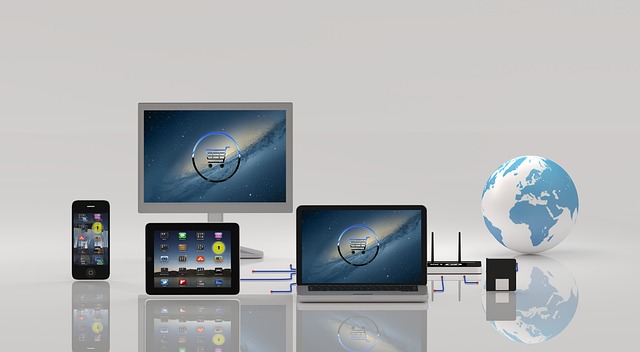
What is eCommerce?
E-commerce, also known as electronic commerce or internet commerce, refers to the buying and selling of goods and services over the internet. It enables consumers to electronically exchange goods and services with no barriers of time or distance. eCommerce has revolutionized the way businesses reach customers and the way customers shop and purchase products.
Some key features of eCommerce:
- Products and services are purchased over the internet using a web browser, mobile app or other electronic device.
- Transactions are processed securely using encryption, payment gateways and other security measures.
- Online marketplaces and storefronts allow businesses to display and sell their products to a global audience.
- Digital payments like credit cards, e-wallets and UPI make checking out and paying for items easy.
- No geographic limitations – customers can shop from anywhere, anytime.
Types of eCommerce Models
There are several types of eCommerce business models:
Business to Consumer (B2C)
This is the most common type of eCommerce where businesses sell products or services directly to consumers. Examples are online stores like Amazon, Flipkart, Myntra etc.
Business to Business (B2B)
Businesses sell products or services to other businesses. For example, a manufacturer selling machinery to a factory. Alibaba.com is a leading B2B ecommerce site.
Consumer to Consumer (C2C)
Consumers sell products or services to other consumers. eBay and OLX enable C2C transactions. Social commerce on Facebook and Instagram also enables consumers to sell to each other.
Consumer to Business (C2B)
Consumers sell products or services to businesses. Example – selling photos to agencies through sites like iStockphoto.
Business to Government (B2G)
Selling products or services to the government and public sector organizations. For example, licensing software to government agencies.
Business to Employee (B2E)
Businesses selling products and services to other organizations’ employees. Corporate discounts or perks fall into this model.
Benefits of eCommerce
eCommerce provides several advantages to both businesses and consumers:
For Businesses
- Wider market reach – ability to sell to customers globally
- Lower costs – no physical store investments needed
- Convenience – 24/7 business, automated processes
- Better customer targeting – leveraging data for personalized marketing
- Increased sales – higher conversion rates by removing friction in buying process
For Consumers
- Convenience – ability to shop anytime, anywhere
- More choices – access to a wider range of products globally
- Price comparisons – ability to compare prices across sellers
- Reviews and ratings – make informed buying decisions
- Personalized experience – customized recommendations and offers
Challenges in eCommerce
Despite many benefits, eCommerce also comes with some challenges:
- Logistics and shipping – efficient product delivery systems required
- Security threats – fraud, data breaches, hacking risks need addressing
- Building trust – lack of physical interaction makes it harder to establish trust
- Different regulations – varying rules across markets related to taxes, payments etc.
- Older demographics – lower adoption among older consumers less familiar with technology
- Returns and refunds – higher volume adds to costs if not managed well
Growth and Future of eCommerce
eCommerce has seen massive growth worldwide in the past decade. According to eMarketer, global eCommerce sales were estimated at $4.9 trillion in 2021, up 19% year-over-year. The upward trend is expected to continue, with sales projected to surpass $7.4 trillion by 2025.
Key factors driving future growth:
- Rising smartphone and internet penetration globally
- Advancements in online payment security
- Demand for convenience and personalized shopping experiences
- Investments in logistics infrastructure enabling faster deliveries
- Growth in social commerce and livestream shopping
- Leveraging technologies like AR/VR to enhance user experience
- Omnichannel integration as boundaries between online and offline commerce blur
The future looks promising for eCommerce as technology unlocks new possibilities. Businesses need to focus on understanding customer needs, building robust technologies, and delivering innovative shopping experiences to stay ahead of the curve.
Introduction to mCommerce
mCommerce or mobile commerce refers to eCommerce activities done on mobile devices like smartphones and tablets. It includes mobile shopping, mobile banking, booking tickets, food delivery apps and other transactions done on-the-go using a mobile app or mobile optimized website.
Features of mCommerce
Some key features that enable mCommerce:
- Ubiquity – ability to engage consumers anytime, anywhere. Makes shopping highly convenient.
- Personalization – apps can leverage user data like location, demographics, behavior to offer personalized promotions and recommendations.
- Rich experience – ability to incorporate multimedia, AR, VR and other technologies to enhance experience.
- Simplicity – optimized checkout and payments for the small mobile screen. Stores user details for faster purchases.
- Push notifications – timely alerts about deals, new products etc. to retain and engage users.
Benefits of mCommerce
mCommerce offers several benefits to businesses and consumers:
For Businesses
- Wider reach – Tap into massive mobile user base
- Personalization – Use data to customize offerings and messages
- Improved conversion – Apps enable fast, optimized buying experience
- Brand building – Apps allow more avenues for engagement
- Lower costs – Apps are cheaper to build and maintain vs. websites
For Consumers
- Convenience – Shop whenever, wherever on-the-go
- Personalization – Get deals and offers relevant to you
- Faster purchases – Saves all payment information for quick checkout
- Comparison – Compare product prices and reviews across sellers
- Access – Availability of smartphones makes shopping accessible to wider demographics
Growth Trends in mCommerce
- Global mCommerce sales grew 40% in 2021 to reach $3.56 trillion, accounting for 72.9% of online sales.
- Asia Pacific is the leading mCommerce market with China and India driving growth.
- Fashion and electronics are top-selling product categories on mobile.
- By 2025, over 75% of eCommerce is expected to come from mobile shopping.
- Social commerce and livestream shopping are emerging trends boosting mCommerce growth.
- QR code payments have seen huge adoption after COVID, enabling contactless mobile payments.
- 5G networks will further accelerate mCommerce adoption.
Challenges in mCommerce
While promising, some challenges need addressing:
- Small screens constrain product discovery and navigation
- Difficult to build trust without physical interactions
- Security risks around payments and customer data
- App fatigue – consumers tend to stick to one or two apps
- Poor user experience and mobile site speed can deter shoppers
- Returns and refunds can be inconvenient on mobile
Best Practices for mCommerce Success
Some tips for brands and retailers:
- Optimize sites and apps for speed – reduce loading times
- Simplify checkout with mobile wallets, saved info etc.
- Use push notifications smartly without being intrusive
- Personalize product recommendations and offers
- Enable ratings, reviews and Q&A to build trust
- Support popular payment methods like Apple Pay, QR codes etc.
- Make returns and refunds easy through prepaid shipping labels etc.
As mobile continues to dominate, brands need to go where the consumers are. Delivering an optimized, seamless shopping experience on mobile will be key for eCommerce success.
Here are some key differences between eCommerce and mCommerce, their importance, and an FAQ section:
Key Differences Between eCommerce and mCommerce
- eCommerce refers to electronic commerce conducted on the internet, while mCommerce is eCommerce conducted on mobile devices.
- eCommerce can take place through websites, mobile sites, mobile apps, etc. mCommerce is specifically mobile app and mobile web based.
- eCommerce has a wider reach as internet penetration is higher than mobile phone penetration globally. mCommerce reaches a more targeted mobile demographic.
- eCommerce requires setting up an online storefront and website. mCommerce is enabled through mobile apps and mobile sites.
- eCommerce offers more screen real estate for displaying content and navigation. mCommerce has space constraints due to small screens.
- eCommerce checkout and payments may require entering details every time. mCommerce checkouts are optimized for speed with saved user info.
Importance of eCommerce
- Expands reach and opens up new markets across geographies
- Enables 24/7 shopping convenience for consumers
- Reduces operational costs and infrastructure for businesses
- Allows price and product comparison across sellers
- Personalized product recommendations and deals boost sales
- Digital payments increase transaction security and speed
Importance of mCommerce
- Caters to massive global mobile user base
- Enables shopping anytime, anywhere on-the-go
- Personalized promotions based on user data and context
- Simplified purchases through saved payment information
- Engages consumers through push notifications and in-app messaging
- Emerging technologies like AR/VR, livestream further enhance experience
Both eCommerce and mCommerce are critical retail channels today with distinct advantages. Businesses should leverage both by having integrated ecommerce and mcommerce strategies.
FAQs
What are the advantages of eCommerce for businesses?
For businesses, key advantages of eCommerce include wider reach, lower costs, 24/7 operations, ability to personalize offerings, and access to customer data and insights.
How does mCommerce benefit consumers?
For consumers, mCommerce offers the convenience of shopping anytime, anywhere. It provides personalized and faster purchases along with exclusive mobile deals and offers.
What are some challenges in eCommerce?
Key eCommerce challenges are logistics and shipping, building trust without physical interactions, online security threats, and dealing with varying regulations across markets.
How can a business optimize its site for mCommerce?
Businesses can optimize for mCommerce by minimizing load times, simplifying navigation, enabling easy checkout/payments, offering mobile-exclusive deals and leveraging push notifications.
What is the future outlook of eCommerce and mCommerce?
The future outlook is highly positive for both as technologies like AI, AR/VR will enable more innovative shopping experiences. Integrated omni-channel strategies will become key for retailers.
Conclusion
eCommerce has boomed globally thanks to the reach, convenience and ubiquity of internet shopping. mCommerce further builds on these benefits by tapping into the massive mobile user base worldwide. For businesses to stay ahead, having an integrated strategy across eCommerce and mCommerce channels is becoming imperative. As technology evolves, the future looks exciting for taking online commerce to the next level through innovations in artificial intelligence, augmented reality, internet of things and more.