Nanny vs Au Pair vs Daycare: 2026 Complete Guide
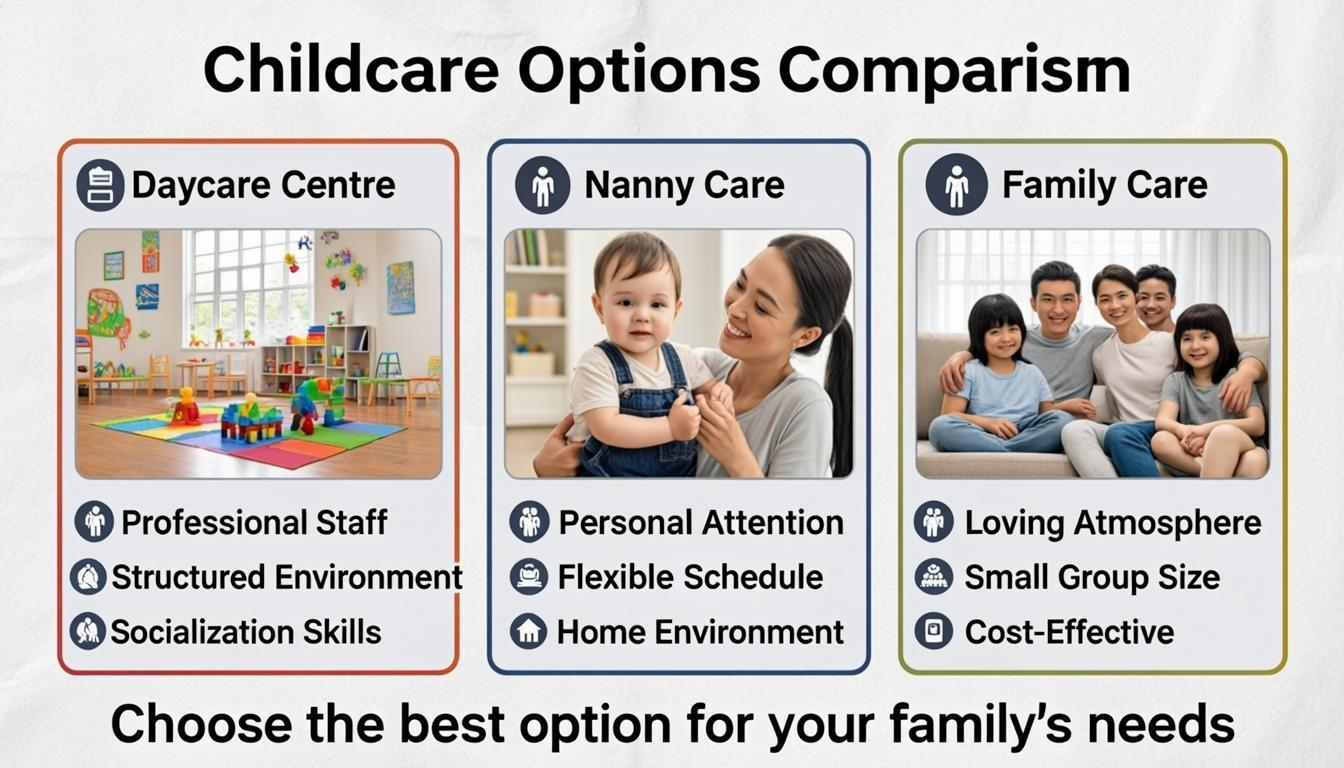
Choosing childcare is one of the biggest decisions you'll make as a parent. The options can feel overwhelming. Should you hire a nanny, welcome an au pair into your home, or enroll your child in daycare? Each choice offers unique benefits and challenges. Let's break down the differences between nanny vs au pair vs daycare to help you find the perfect fit for your family in
2026.
Understanding the Basics of Childcare Options
for childcare, you have three primary options: nanny care, au pair programs, and daycare centers. Each serves different needs and comes with distinct cost structures, care philosophies, and logistical considerations. Understanding these fundamental differences is the first step toward making an informed decision that aligns with your family's values, budget, and lifestyle.
Nanny care involves hiring a professional caregiver who works exclusively for your family. This person typically cares for your children in your own home, offering personalized attention and maintaining your child's regular routine. Au pair programs connect families with young adults from other countries who live with your family and provide childcare in exchange for room, board, a weekly stipend, and cultural exchange opportunities. Daycare centers are professional facilities where multiple children receive care in a group setting, often with structured educational programs.
Cost Comparison: What to Expect in 2026
Money matters when choosing childcare. The costs can vary dramatically between options. According to recent data, the average monthly costs are significantly different across childcare choices. Understanding these financial implications will help you budget effectively and avoid surprises down the road.
Here's how the costs break down:
- Au Pair: $1,782 per family [1]
- Nanny: $3,544 per child [1]
- Daycare: $1,039 per child [1]
These figures represent average costs, but your actual expenses may vary based on your location, the specific caregiver's experience, and additional requirements. For example, one Reddit user reported paying approximately $832 per week for a nanny and $2,400 monthly for daycare for twins [3].
Budgeting tip: Remember to factor in additional expenses like payroll taxes, insurance, transportation, and overtime when calculating total costs for nanny and au pair options.
Qualifications and Training Differences
The level of training and qualifications varies significantly between childcare options. These differences impact the quality of care your child receives and should be a key factor in your decision-making process.
Au pairs are typically young adults (18-26) from other countries who participate in a cultural exchange program. They complete a background check and receive childcare training through their program. However, their experience level can vary widely, and they may not have formal childcare certifications [1].
Nannies are professional caregivers who often have formal training in early childhood education. Many have CPR certification, first aid training, and several years of professional childcare experience. They may have completed nanny training programs or hold degrees in child development [4].
Daycare centers employ multiple staff members, including lead teachers with early childhood education credentials, assistants with varying levels of training, and specialized staff for different age groups. Centers must meet state licensing requirements for staff-to-child ratios and qualifications [1].
Flexibility and Scheduling Considerations
Your family's schedule is important in determining which childcare option works best. Let's examine how each option handles flexibility and scheduling.
Nannies offer the most flexibility since they work directly for your family. You can negotiate hours, overtime, and even overnight care if needed. This makes nannies ideal for families with non-traditional work schedules, frequent travel, or unpredictable hours [4].
Au pairs provide significant flexibility compared to daycare centers. Since they live with your family, they can adapt to changing schedules and often handle early mornings, late nights, and occasional weekend care. However, they have limits on working hours (typically up to 45 hours per week) and require at least one and a half days off each week [1].
Daycare centers operate on fixed schedules with specific drop-off and pick-up times. They typically close on major holidays and have limited availability outside of regular business hours. This lack of flexibility can be challenging for parents with non-traditional work schedules [1].
Social Development and Group Interaction
How your child develops socially is an important consideration when choosing childcare. Each option offers different social experiences that can impact your child's development.
Daycare centers excel at providing group socialization opportunities. Children interact with peers of similar ages, learning valuable social skills like sharing, cooperation, and conflict resolution. The structured environment helps children develop routines and prepare for future school settings [1].
Au pairs offer a middle ground. While they primarily care for your children at home, they may organize playdates or attend community activities with other children. This provides some social interaction while maintaining the comfort of a home environment [4].
Nannies typically care for children in the family's home, which may limit direct peer interaction. However, many nannies arrange playdates, attend library story times, or participate in community activities to ensure children have social opportunities outside the home [4].
Making the Right Choice for Your Family
Now that we've explored the differences between nanny vs au pair vs daycare, how do you determine which option is best for your family? Consider these key factors in your decision-making process.
Your child's personality and needs should be the primary consideration. Some children thrive in social daycare environments, while others may do better with one-on-one care at home. Consider your child's temperament, age, and any special requirements [1].
Your family's budget will significantly influence your options. As we've seen, costs vary dramatically between choices. Create a detailed budget that includes not just base pay but also additional expenses like taxes, insurance, and benefits [1].
Your work schedule and flexibility requirements are crucial. If you work long hours or have an unpredictable schedule, a nanny or au pair may offer the flexibility you need. If you have a standard 9-5 schedule, daycare might be more practical [1].
Your values and priorities matter too. Do you want your child to have cultural exposure? Are you comfortable with someone living in your home? Do you prefer a structured educational environment? These values will help guide your decision [4].
Comparison Table: Nanny vs Au Pair vs Daycare
| Feature | Nanny | Au Pair | Daycare |
|---|---|---|---|
| Average Monthly Cost | $3,544 per child [1] | $1,782 per family [1] | $1,039 per child [1] |
| Care Setting | Your home | Your home | Dedicated facility |
| Child-to-Caregiver Ratio | 1:1 | 1:1 | Varies (typically 4:1 to 12:1) |
| Flexibility | High (negotiable hours) | Moderate (45 hours/week limit) | Low (fixed schedule) |
| Social Interaction | Limited (unless arranged) | Moderate (may organize playdates) | High (constant peer interaction) |
| Qualifications | Professional training, certifications | Cultural exchange program, basic training | State-licensed, credentials required |
| Additional Benefits | Customized care, maintains home routine | Cultural exchange, language exposure | Structured curriculum, socialization |
Key Takeaways for Parents
After comparing nanny vs au pair vs daycare options, here are the most important points to remember:
- Cost varies significantly between options, with daycare being most affordable per child, followed by au pairs, then nannies [1]
- Flexibility is highest with nannies, moderate with au pairs, and lowest with daycare centers [1]
- Social development opportunities are greatest in daycare settings, while nannies and au pairs offer more personalized attention [1]
- Qualifications differ: nannies typically have professional training, au pairs participate in cultural exchange programs, and daycare centers must meet state licensing requirements [4]
- Your family's specific needs,including budget, schedule, and child's personality,should guide your decision [1]
- Au pair matching services are growing rapidly, with the market projected to reach $3.8 billion by 2034 [5]
Final Thoughts and Next Steps
Choosing between nanny vs au pair vs daycare is a deeply personal decision that depends on your family's unique circumstances. There's no universally "best" option,only what works best for you. Take time to evaluate your priorities, budget, and your child's needs before making a choice.
Ready to explore your options further? Consider visiting local daycare centers, interviewing potential nannies, or researching au pair agencies. Many families find it helpful to create a pros and cons list for each option based on their specific situation.
What questions do you still have about nanny vs au pair vs daycare? Share your thoughts in the comments below!