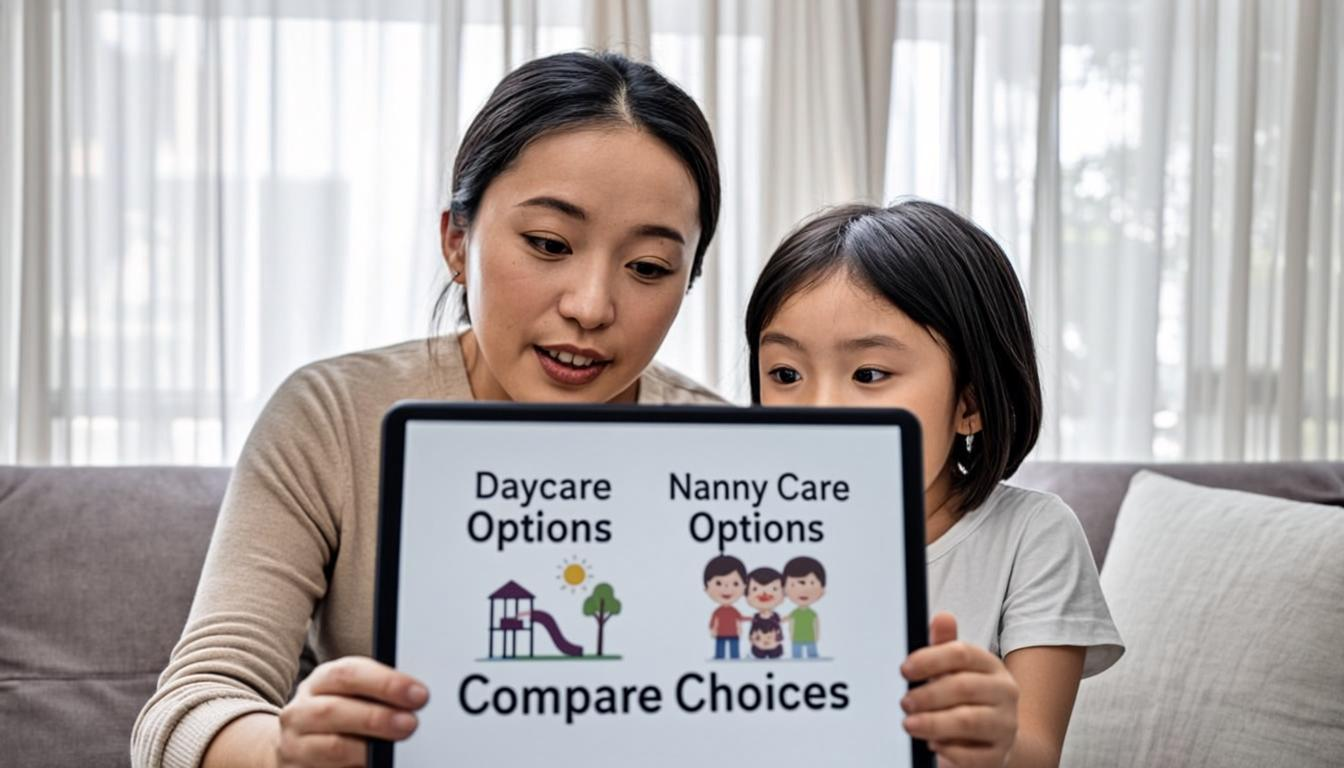
Daycare vs Nanny: Making the Right Choice for 2026
Choosing between daycare and nanny care is one of the biggest decisions parents face. It's a choice that impacts your child's development, your family's budget, and your peace of mind. The average family spends over $1,000 monthly on child care, with 29% of parents paying more than $2,000 each month [4]. With such significant investment, how do you know which option truly serves your family's needs?
Let's break down the daycare versus nanny decision from every angle. We'll look at costs, convenience, child development, and practical considerations to help you make an informed choice that works for your unique situation.
Understanding the Financial Realities
Money talks for childcare options. The financial difference between daycare and nanny care can be substantial. According to 2024 data, average weekly nanny costs are substantially higher than average daycare center tuition [1]. This isn't just a small difference
- we're talking about thousands of dollars annually.
56% of families spent more than $1,000 per month on child care, with 29% spending over $2,000 monthly [4]. That's 1 in 10 families dedicating more than 30% of their income to childcare alone. These numbers aren't just statistics
- they represent real budget decisions that affect everything from housing choices to family vacations.
But here's something interesting: the cost gap narrows when you consider part-time care. One analysis found that daycare was still about $2,000 versus $2,500 for part-time nanny care [5]. This matters if you're considering flexible work arrangements or shared care arrangements.
The Hidden Costs Beyond Base Pay
When budgeting for a nanny, don't just focus on the hourly rate. Remember to factor in taxes, benefits, overtime, and paid time off. These can add 20-30% to your base salary cost.
Daycare centers typically have all-inclusive pricing. You pay one fee that covers most activities, meals, and supplies. With a nanny, you'll likely need budget separately for activities, outings, and special equipment.
Socialization and Developmental Benefits
How does your child's social development compare in daycare versus nanny care? This question keeps many parents up at night. The answer isn't as simple as one being universally "better" than the other.
Daycare provides built-in socialization. Your child interacts with peers of similar ages throughout the day. They learn sharing, turn-taking, and conflict resolution in real-time. Many parents report that their daycare children developed stronger social skills earlier than their nanny-cared peers.
Nanny care offers different developmental advantages. One-on-one attention means activities can be tailored precisely to your child's interests and developmental stage. There's no waiting for attention in a group of 10-15 children.
Research suggests that 26% of parents with children under age three rely on family, friend, or neighbor caregivers, along with 29% of parents with slightly older children [2]. This preference for smaller, more intimate care settings indicates that many families value the personalized attention that comes with nanny care.
The Quality Factor
Quality matters more than the setting itself. A high-quality daycare with low child-to-caregiver ratios can provide excellent socialization. A disengaged nanny, regardless of setting, may not provide the stimulation your child needs.
Look for specific indicators of quality: caregiver education and training, turnover rates, curriculum structure, and how caregivers interact with children. These factors will impact your child's experience far more than whether it's called "daycare" or "nanny care."
Flexibility and Convenience Factors
Life with kids is unpredictable. How do daycare and nanny care handle the unexpected? The answer could significantly impact your daily stress levels.
Daycare centers typically have strict hours. They're open from 7 am to 6 pm, with late fees for pickups after closing. They're closed on major holidays and often have limited availability during summer months or school breaks. This lack of flexibility can be challenging for parents with non-traditional schedules.
Nanny care offers unparalleled flexibility. Your nanny can adapt to your changing schedule, stay late for work events, or travel with your family. This flexibility comes at a premium cost but can be invaluable for busy professionals.
Reliability Concerns
Daycare centers have built-in backup systems. When a caregiver is sick, there are others to fill in. When the building has maintenance issues, they can often relocate temporarily. This institutional reliability means care continues regardless of individual staff issues.
Nanny care depends on one person's availability. When your nanny takes vacation or gets sick, you need backup care. Many families use a combination of approaches
- perhaps a nanny for regular care and daycare as backup during absences.
Making the Decision: What's Right for Your Family?
There's no universal "best" option. The right choice depends entirely on your family's unique circumstances, values, and priorities. Here's how to think through your decision:
Start with your budget. Determine what you can realistically afford without compromising other financial priorities. Remember that childcare is an investment, but it shouldn't cause financial strain.
Consider your child's personality. An outgoing, social child might thrive in a daycare environment. A shy child might benefit more from the personalized attention of a nanny, at least initially.
Think about your work schedule. Do you need care during non-traditional hours? Do you have unpredictable schedule changes? These factors heavily influence which option will work better for you.
The Hybrid Approach
Many families find success with a hybrid approach. Perhaps your child attends daycare part-time while a nanny covers the remaining hours. This provides socialization while maintaining flexibility.
Others use daycare as their primary care option but hire a nanny for specific needs like date nights, sick care, or school holidays. This gives you the best of both worlds without the full cost of exclusive nanny care.
Daycare vs Nanny: Comparison at a Glance
| Factor | Daycare Center | Nanny Care |
|---|---|---|
| Average Monthly Cost | $1,000-2,000 [4] | $2,000-3,500+ [1] |
| Socialization | High (group setting) | Limited (primarily with adults) |
| Flexibility | Low (fixed hours) | High (adapts to schedule) |
| Sick Care | Usually still available | Provider may be unavailable |
| Educational Activities | Structured curriculum | Can be customized but varies by provider |
| Transportation | Provided to/from center | Requires family arrangement |
| Backup Care | Built-in system | Requires separate arrangement |
Key Takeaways
- Cost difference is significant: Nanny care typically costs 30-50% more than daycare centers [1], with 56% of families spending over $1,000 monthly on childcare [4].
- Socialization vs. personalized attention: Daycare offers more peer interaction, while nanny care provides one-on-one attention tailored to your child's needs.
- Flexibility varies greatly: Nanny care adapts to your schedule, while daycare centers have fixed hours and limited availability [5].
- Quality matters most: Whether you choose daycare or nanny, the quality of care and caregiver-child interaction will have the biggest impact on your child's experience.
- Consider hybrid options: Many families successfully combine both approaches to balance cost, socialization, and flexibility.
- Backup planning is essential: With daycare, institutional systems provide continuity. With nanny care, you need backup arrangements for vacations and sick days.
The Final Decision
Choosing between daycare and nanny care isn't about finding the "perfect" option. It's about finding the right fit for your family's unique needs, values, and circumstances. Both options can provide excellent care when implemented well.
Take time to visit potential daycare centers and interview nannies. Ask specific questions about daily routines, educational approaches, and emergency procedures. Trust your instincts
- you know your child and family best.
What's your experience with daycare versus nanny care? Share your insights in the comments below to help other parents facing this important decision.