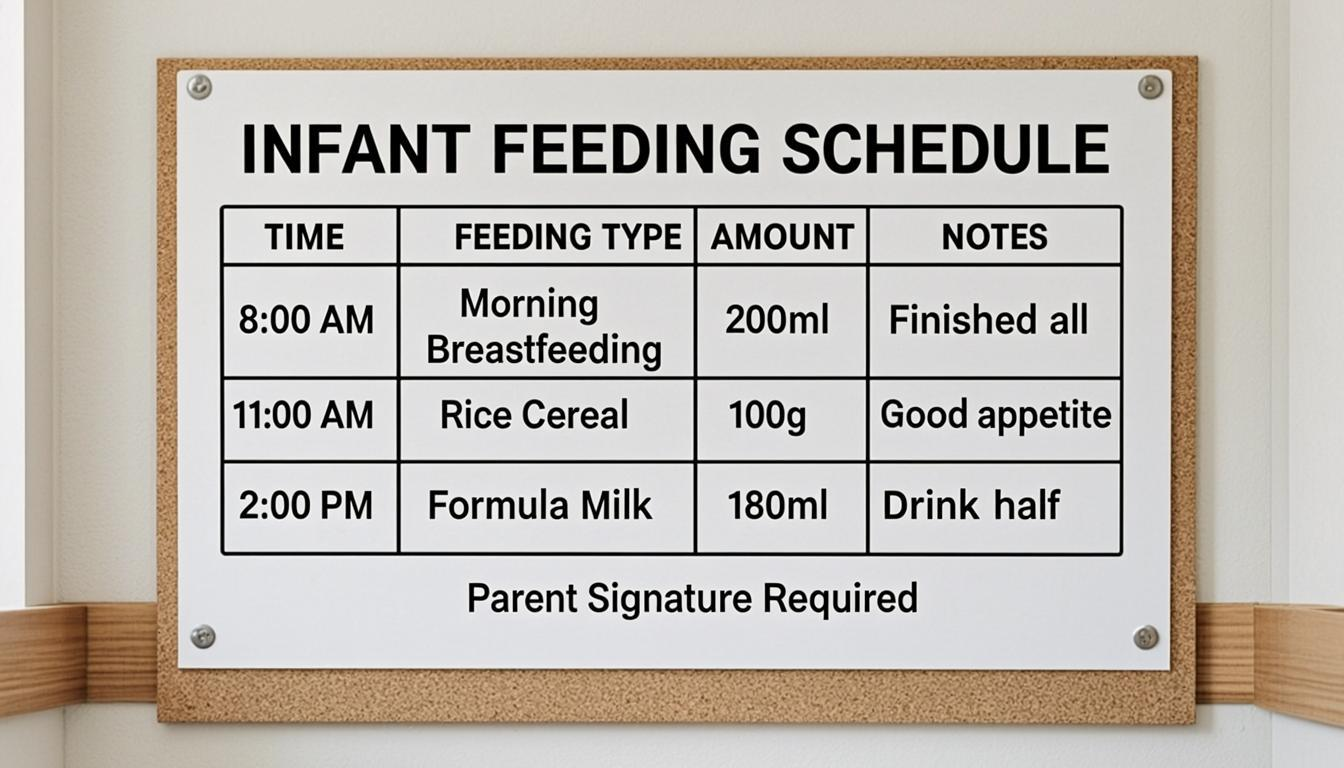
Infant Daycare Feeding Schedule: Best Practices for 2026
Creating an infant daycare feeding schedule is one of the most critical responsibilities for child care centers. Did you know that 1 in 10 infants were given foods other than breast milk or formula before they were 4 months old in recent years? This early introduction of solid foods can pose health risks [3]. As a daycare director, establishing proper feeding protocols isn't just about following regulations,it's about supporting each child's unique developmental needs while ensuring their safety and well-being.
In 2026, child care centers face increasing scrutiny around infant nutrition practices. With parents more informed than ever about developmental milestones and dietary guidelines, your feeding schedule must balance scientific recommendations with practical implementation. This guide will walk you through creating a comprehensive infant feeding program that meets regulatory standards while addressing the diverse needs of infants in your care.
Understanding Infant Nutritional Needs by Age
Infants develop rapidly during their first year, and their nutritional needs change dramatically. A proper infant daycare feeding schedule must account for these developmental shifts. For infants aged 0-6 months, breast milk or formula should remain their primary nutrition source. The World Health Organization reports that only about 47% of infants in this age group were exclusively breastfed from 2018-2025 [1]. This statistic highlights the importance of accommodating both breastfed and formula-fed infants in your center.
As infants approach 6 months, they begin showing signs of readiness for solid foods. These include sitting up with minimal support, losing the tongue-thrust reflex, and showing interest in food. Your feeding schedule should incorporate these developmental milestones rather than rigid age-based timelines. The CDC emphasizes that introducing foods before 4 months is too early and can increase health risks [3].
For infants 6-12 months, breast milk or formula continues to matters while solid foods gradually increase. By 12 months, most infants can transition to whole cow's milk if desired. Your feeding schedule should reflect this progression, gradually increasing the variety and texture of foods while maintaining appropriate milk intake.
Creating Age-Appropriate Meal Patterns
Your infant daycare feeding schedule should follow established meal patterns that meet nutritional requirements. The Child and Adult Care Food Program (CACFP) provides specific guidelines for infant meals. For infants under 6 months, this typically means feeding on demand or following the infant's hunger cues. For older infants, scheduled meals and snacks become more appropriate.
When planning your schedule, consider these key elements:
- Frequency of feeding (typically every 3-4 hours for infants)
- Proper portion sizes based on age and developmental stage
- Introduction of new foods one at a time to monitor for allergies
- Appropriate food textures that match the infant's ability to chew and swallow
Pro tip: Keep detailed feeding records for each infant, noting intake, any adverse reactions, and preferences. This documentation helps identify patterns and ensures continuity of care between home and daycare.
Implementing Responsive Feeding Practices
Responsive feeding is crucial in an infant daycare setting. This approach means recognizing and responding to each infant's hunger and fullness cues rather than enforcing strict schedules. Research shows that responsive feeding practices support healthy weight development and positive eating behaviors [2].
In a busy daycare environment, it's easy to fall into clock-based feeding routines. However, infants have varying nutritional needs and appetites from day to day. Your staff should be trained to observe signs of hunger (such as rooting, sucking on hands, or crying) and fullness (turning away from food, closing mouth, or pushing food away).
Signs of hunger in infants:
- Smacking lips or sucking motions
- Turning head toward breast or bottle
- Bringing hands to mouth
- Crying (a late hunger signal)
Signs of fullness in infants:
- Turning head away from food
- Closing mouth when offered food
- Pushing food away
- Falling asleep or becoming distracted
Training your staff to recognize these cues creates a more nurturing feeding environment. It also helps prevent overfeeding, which has become increasingly common with formula-fed infants in daycare settings [2].
Balancing Structure and Flexibility
While responsive feeding emphasizes flexibility, infants benefit from some predictability in their day. An effective infant daycare feeding schedule provides structure while allowing for individual needs. Consider creating a "framework schedule" that outlines approximate feeding times while permitting adjustments based on each infant's cues.
For example, your center might have 8:00 AM, 11:00 AM, 2:00 PM, and 5:00 PM as regular feeding times. However, if an infant shows clear signs of hunger at 10:30 AM, the caregiver should offer a feeding rather than strictly adhering to the schedule. This balance ensures that infants develop some routine while having their individual needs met promptly.
Implementation tip: Use visual schedules in infant rooms to help staff maintain consistency while remaining responsive. These can be simple charts showing the general flow of the day with feeding times marked, allowing caregivers to see what's coming next while adapting to immediate needs.
Handling Breast Milk and Formula Safely
Proper handling and storage of breast milk and formula are non-negotiable aspects of an infant daycare feeding schedule. The CDC provides clear guidelines that child care centers must follow to ensure safety. These guidelines include proper labeling, refrigeration temperatures, and expiration times [5].
Breast milk should be stored in clean, labeled containers with the infant's name and date. Most centers use color-coded containers or labels to prevent mix-ups. The storage timeline varies based on temperature: fresh breast milk can be kept at room temperature for up to 4 hours, in a refrigerator for up to 4 days, and in a freezer for 6-12 months [5].
Formula requires similar attention to detail. Prepared formula should be used within 2 hours or refrigerated and used within 24 hours. Never use formula that has been left at room temperature for more than an hour. Your staff should be trained to prepare formula according to manufacturer instructions, using proper water temperatures and measurements.
Storage Guidelines Comparison
| Storage Type | Breast Milk | Formula |
|---|---|---|
| Room Temperature (≤77°F) | Up to 4 hours | Up to 2 hours (prepared) |
| Refrigerator (39-40°F) | Up to 4 days | Up to 24 hours (prepared) |
| Freezer (0°F) | Up to 12 months | Not recommended (after mixing) |
Critical safety note: Always check breast milk and formula for signs of spoilage before use. This includes visual inspection for discoloration, smell test for sour odor, and checking for curdled texture. When in doubt, throw it out. Document any incidents of spoilage in your food safety log.
Introducing Solid Foods in Daycare Settings
Introducing solid foods is a significant milestone in an infant's development. When incorporating solid foods into your infant daycare feeding schedule, follow established guidelines to ensure safety and appropriateness. The American Academy of Pediatrics recommends introducing solid foods around 6 months of age, when infants show developmental readiness [3].
For centers participating in CACFP, specific meal patterns must be followed when introducing solid foods. These include offering iron-fortified infant cereal as the first food, followed by vegetables, fruits, and proteins in a progression that allows for allergy monitoring. Each new food should be introduced separately, waiting 3-5 days before adding another new food to observe for adverse reactions [5].
Best practices for solid food introduction:
- Start with single-ingredient foods to identify potential allergies
- Offer foods in appropriate textures (pureed initially, then mashed, then finely chopped)
- Include iron-rich foods early and frequently
- Avoid added sugars, salt, and honey
- Respect individual preferences and pacing
Documentation tip: Maintain a food introduction log for each infant, noting foods tried, dates, and any reactions. This helps parents track progress and identify patterns that might not be apparent in daily reports.
Special Considerations for Premature and Low Birth Weight Infants
Premature and low birth weight infants have unique nutritional needs that must be addressed in your infant daycare feeding schedule. These infants may require specialized formulas, adjusted feeding schedules, and additional monitoring. According to research, approximately 10% of infants are born prematurely and may have special feeding needs [4].
When caring for premature infants, coordinate closely with parents and healthcare providers. They may need more frequent feedings, fortified breast milk or special formulas, or feeding therapies. Your staff should be trained in the specific techniques required for these infants, which might include paced bottle feeding or special positioning during feeds.
Key considerations for special needs infants:
- Follow healthcare provider's feeding plan exactly
- Document intake and output meticulously
- Monitor for signs of aspiration or feeding difficulties
- Communicate regularly with parents about progress and concerns
- Be prepared for emergency situations related to feeding
Training your staff to recognize and respond to the unique needs of premature and special needs infants is essential. This may require specialized certifications or continuing education beyond standard infant care training.
Staff Training and Parent Communication
Even the most well-designed infant daycare feeding schedule is ineffective without proper staff training and consistent parent communication. Your caregivers must understand the nutritional needs of infants, recognize hunger and fullness cues, and follow safety protocols. Regular training updates ensure staff remain current with best practices and regulatory requirements.
Parent communication forms the foundation of successful feeding in daycare. Establish clear protocols for exchanging information about feeding preferences, schedules, and any changes at home. This includes sharing information about new foods introduced, appetite changes, and any concerns. Many centers use digital apps or daily reports to provide this information efficiently.
Training recommendations for staff:
- Annual infant nutrition and feeding safety training
- Certification in pediatric first aid and CPR
- Specialized training for handling infants with special needs
- Regular updates on CACFP requirements and best practices
- Observation and feedback sessions on feeding techniques
Communication strategies:
- Daily feeding logs with detailed intake information
- Regular parent meetings to discuss feeding progress
- Clear policies for handling breast milk and formula from home
- Documentation of any feeding incidents or concerns
- Open channels for parents to share preferences and concerns
Key Takeaways for Your Infant Feeding Program
- Individualize feeding approaches: Every infant has unique nutritional needs and preferences. Your schedule should provide structure while allowing for individual variations.
- Follow developmental milestones: Introduce foods based on each infant's readiness rather than strict age guidelines, avoiding solids before 4 months as recommended by health authorities [3].
- Implement responsive feeding: Train staff to recognize and respond to hunger and fullness cues, supporting healthy eating behaviors [2].
- Prioritize food safety: Strict protocols for handling, storing, and serving breast milk and formula are non-negotiable for infant health [5].
- Document everything: Detailed feeding records help track progress, identify patterns, and ensure continuity of care between home and daycare.
- Communicate proactively: Regular, detailed communication with parents about feeding practices and progress builds trust and ensures consistency.
Conclusion
Creating an effective infant daycare feeding schedule requires balancing scientific guidelines with practical implementation. By understanding developmental needs, implementing responsive feeding practices, and maintaining rigorous safety standards, your center can support optimal nutrition and healthy eating behaviors from the earliest months.
Start by reviewing your current feeding protocols against the best practices outlined here. Identify areas for improvement, particularly in staff training and documentation systems. Remember that your feeding approach not only meets regulatory requirements but also sets the foundation for each child's relationship with food that will last a lifetime.
What changes will you implement to enhance your infant feeding program this year? Share your questions or experiences in the comments below,let's build a community of child care professionals committed to infant nutrition excellence.